



Dashcam Cloud Uploads May Know Your Next Move Before Your Friends Do

Share
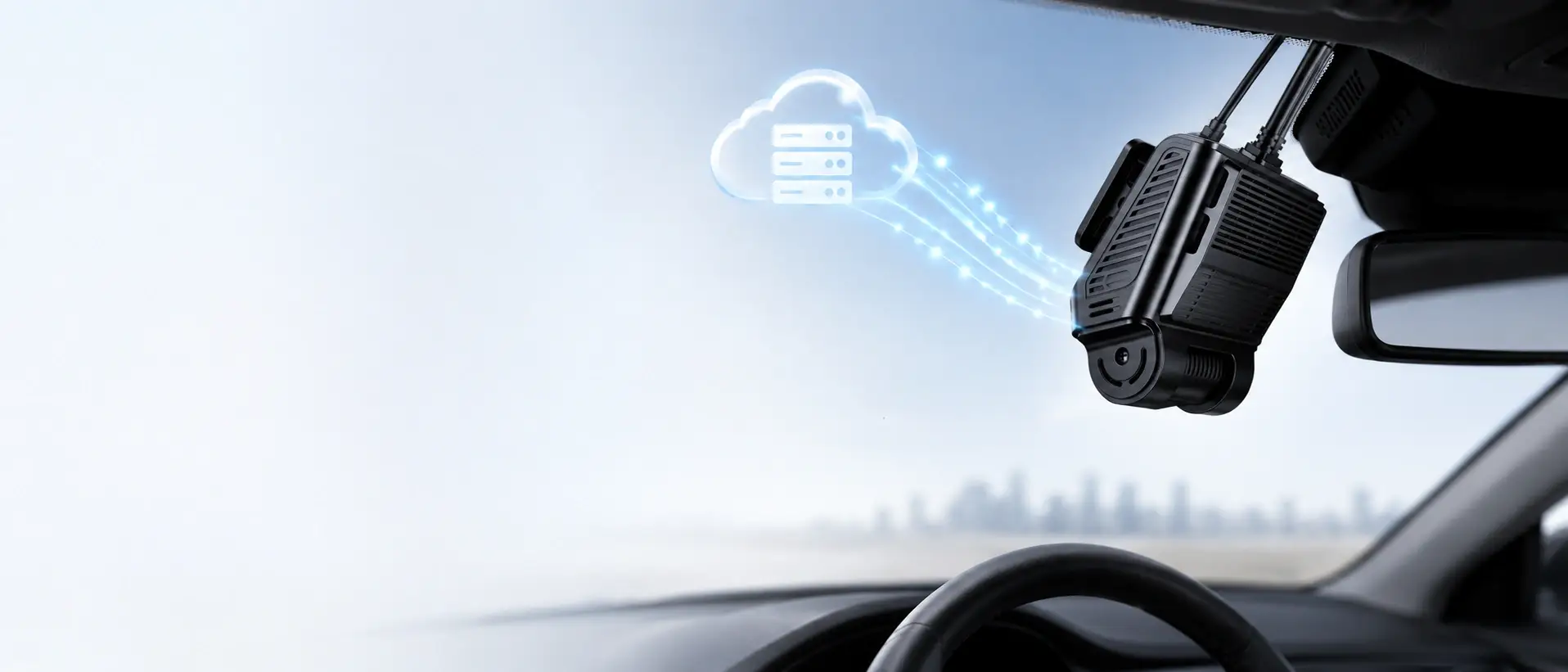
Sarah, a marketing executive, prides herself on her routine. Every weekday, she leaves her driveway at 7:45 AM, stops at the same coffee shop, and arrives at her office building. She believes her digital footprint is limited to her phone and work laptop. However, sitting on her dashboard is a high-end, connected dashcam that she installed for insurance purposes. Sarah is unaware that every time she drives, her camera is uploading high-definition footage, precise GPS coordinates, and potential facial recognition data to a cloud server managed by an overseas vendor.
The Hidden Data Trail
Modern connected dashcams offer convenience, providing instant alerts and remote monitoring. Yet, these features represent a significant dashcam cloud uploads privacy risk. When a camera syncs with a manufacturer’s cloud, it often transmits more than just accident footage. These devices frequently collect metadata, including travel patterns, license plate numbers of other drivers, and high-resolution images of pedestrians.
This data accumulation creates a comprehensive profile of a user’s life. If that cloud platform suffers a breach or employs lax access controls, your daily movements become accessible to unauthorized third parties. This is not just a theoretical risk; it is a fundamental shift in how personal movement data is harvested.
Data Collected by Cloud Dashcams
| Data Category | Privacy Implication |
|---|---|
| GPS Coordinates | Reveals home address, workplace, and habits. |
| Video Footage | Identifies faces, passengers, and surroundings. |
| License Plate Data | Tracks movement of third-party vehicles. |
| Sync Metadata | Links device usage to specific owner identities. |
The Cybersecurity Perspective
From an information security standpoint, the challenge lies in the lack of transparency regarding how this data is stored and who holds the keys. Many manufacturers operate under jurisdictions with minimal compliance requirements. As noted by the Federal Trade Commission, businesses must be vigilant about the data they collect, yet many consumer-grade dashcam companies lack the robust encryption needed to protect this sensitive telemetry.
Dr. Aris Thorne, an expert in AI governance, notes: When we automate the capture of the public sphere, we are effectively building a secondary, private surveillance network. If the upload process is not end-to-end encrypted, the footage is effectively public record for any hacker with the right tools.
Mitigating the Dashcam Cloud Uploads Privacy Risk
You do not need to discard your dashcam, but you must adopt a privacy-first approach to how you use these devices. Here is your action plan:
- Disable Cloud Sync: If you do not require remote viewing, turn off cloud features in the device settings. Use a standard SD card that requires physical access to retrieve data.
- Review Permissions: Check your dashcam app permissions on your smartphone. Limit access to your location, contacts, and photos unless strictly necessary.
- Clear Local Storage: Periodically format your SD card to prevent historical footage from accumulating.
- Check Privacy Policies: Before purchasing, research whether the manufacturer stores data on local servers or in third-party clouds, and whether they share data with law enforcement without a warrant.
- Update Firmware: Regularly install manufacturer updates, as these often contain critical patches for known security vulnerabilities.
Frequently Asked Questions
Can dashcams track me even when the car is off?
Many dashcams feature parking mode, which uses motion sensors to trigger recording. While useful for security, this often keeps the device connected to the network, potentially broadcasting your location continuously.
Is my data shared with insurance companies?
Some dashcam manufacturers have data-sharing agreements with insurers to offer discounts for safe driving. Always read the fine print to see if your driving behavior is being monetized.
Conclusion
The convenience of connected devices often obscures the underlying privacy trade-offs. The dashcam cloud uploads privacy risk is real, but it is manageable. By treating your vehicle as an extension of your digital office, you can apply the same rigorous data hygiene that you would use for your business records. Audit your devices today, minimize unnecessary cloud connectivity, and ensure that your next move remains your business alone.











Leave a Reply