
LATEST EDITION
Explore Nigeria’s dedicated data protection magazine covering privacy law, cybersecurity, AI governance, business compliance, data breaches, and digital trust. Click below to access your complimentary digital copy.

A data exposure at Navigate360 has compromised 8.3 million school safety records, revealing sensitive student Social Security Numbers and internal crime-tip reports across multiple educational institutions.






Discover how US companies can effectively build privacy by design into their daily workflows to enhance compliance, mitigate risks, and foster long-term digital trust with consumers.
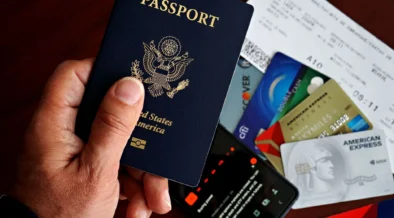



Discover how real estate firms must handle data access requests under modern privacy laws to protect client trust and avoid regulatory fines.





Learn how telecom operators approach AI governance, compliance, and risk management before deploying artificial intelligence tools across infrastructure.



Think your iCloud backups are harmless? Think again. We break down the hidden privacy risks of automated device backups and how your sensitive data might be more exposed than you realize.


Avoid these 10 common startup mistakes in your first year to save time, money, and stress. Learn from real founders, expert advice, and data-backed insights Introduction: Why Your First Year Can Make or Break Your Startup The first year of running a startup is the most critical period — it’s where vision meets reality.According to […]

Dating platforms collect intimate location and lifestyle records. Learn how third-party trackers exploit mobile profiles and practical ways to protect your personal safety.






The US Cybersecurity and Infrastructure Security Agency (CISA) has confirmed active exploitation of two critical PHP2Shell remote code execution (RCE) flaws, adding them to its Known Exploited Vulnerabilities (KEV) catalogue.

Job seekers are increasingly targeted by sophisticated scams using fake application forms to steal sensitive personal information and commit identity theft.

Protecting student data requires more than just a policy. Use our comprehensive checklist to ensure your school's privacy notice is transparent, compliant, and trustworthy.

A comprehensive guide and checklist for healthcare providers to create transparent, compliant, and legally robust privacy notices for patients and staff.

Ransomware attacks have reportedly disrupted operations in two separate East Coast districts, highlighting the persistent threat cybercriminals pose to public sector entities.






LATEST EDITION
Explore Nigeria’s dedicated data protection magazine covering privacy law, cybersecurity, AI governance, business compliance, data breaches, and digital trust. Click below to access your complimentary digital copy.