The Viral Street Interview That Someone Never Wanted Online

Share
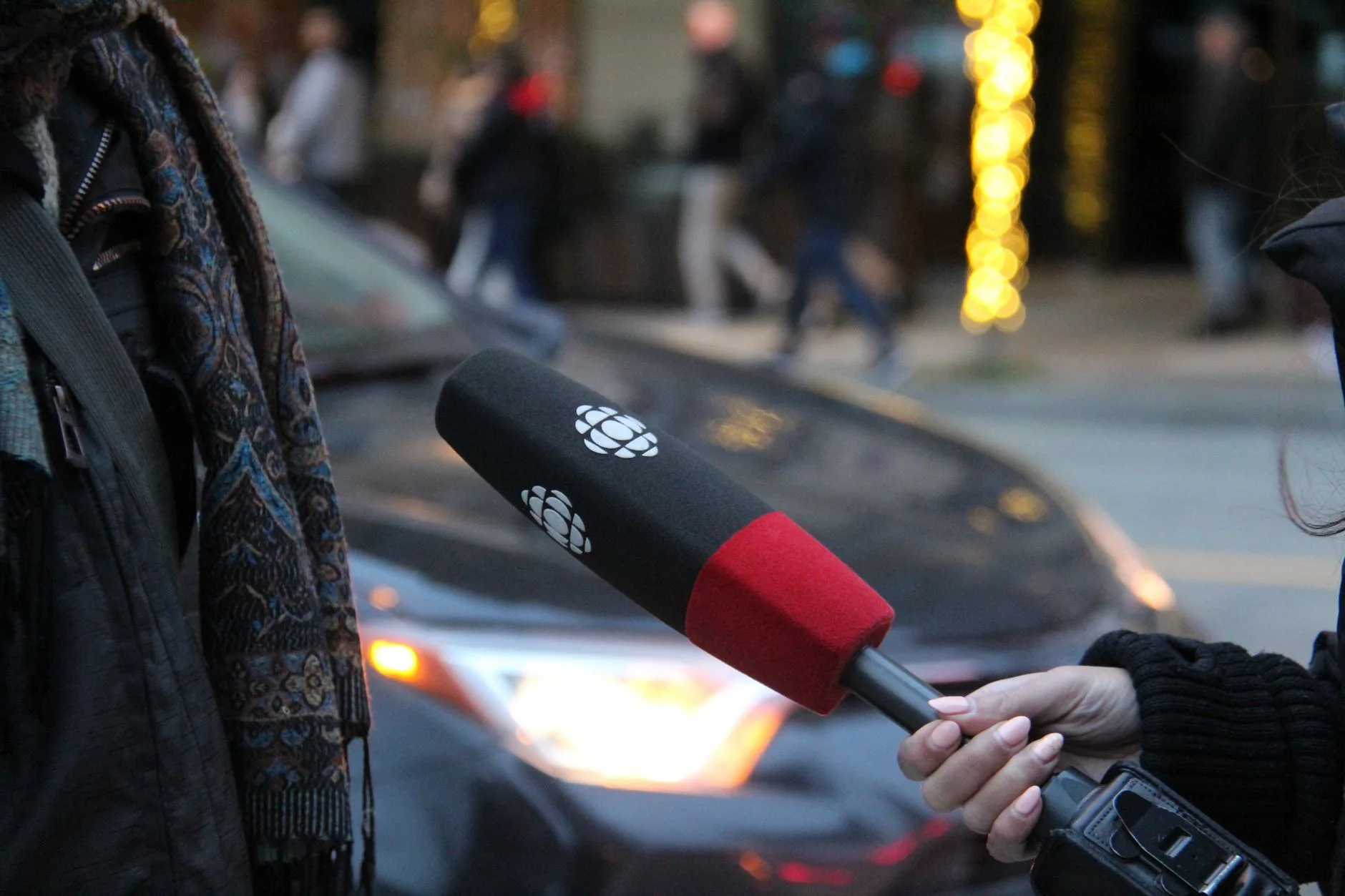
Imagine a sunny afternoon in Ikeja, Lagos. A content creator, armed with a smartphone and a wireless microphone, approaches a passerby. The question is lighthearted: “What is your biggest regret in life?” The passerby, caught in a moment of unexpected vulnerability, shares a deeply personal story about a failed business or a broken relationship. The creator smiles, hits stop, and uploads it. Within twelve hours, the video has two million views. Within twenty-four hours, the person in the video is being mocked in WhatsApp groups, and their employer has called them into a meeting.
This is the reality of the modern attention economy. We have entered an era where a viral street interview someone never intended to become a permanent digital scar is becoming increasingly common. While content creators see engagement metrics, the subjects often face a lifetime of unconsented data processing and reputational damage. This is not just a social media trend; it is a significant privacy and data protection challenge that sits at the intersection of law, ethics, and digital safety.
The Illusion of the ‘Public Space’ Defense
A common misconception among journalists, influencers, and casual videographers is the belief that if you are in a public space, you have waived all rights to privacy. This is a dangerous legal fallacy. While being in a public square means you have a diminished expectation of privacy regarding your physical presence, it does not grant a blanket license to harvest, process, and distribute your personal data for commercial or entertainment purposes.
Under frameworks like the Nigeria Data Protection Act (NDPA) and the EU’s General Data Protection Regulation (GDPR), personal data includes anything that can identify an individual—including their face, their voice, and their unique mannerisms. When a creator captures a person’s likeness and distributes it, they are engaging in data processing. For this to be lawful, there must be a valid legal basis, most commonly, informed consent.
The problem arises when consent is neither “informed” nor “specific.” If a person agrees to a quick interview for a local vlog, they have not necessarily consented to that footage being scraped by AI bots, used in political memes, or archived on permanent video-sharing platforms. The context of the data usage has shifted from a momentary interaction to a permanent digital asset.
The Stakes: From Reputational Damage to Identity Risks
The impact of a viral interview is rarely just about “clout.” For the individual, the stakes are profoundly human. We must look at the risks through three distinct lenses:
- Reputational and Professional Risk: As seen in many Nigerian urban centers, employers often monitor social media. A candid, perhaps even intoxicated or emotional, street interview can lead to immediate job loss or difficulty in future employment.
- Mental Health and Harassment: Once a video goes viral, the subject loses control over their narrative. They become targets for dogpiling, cyberbullying, and targeted harassment, which can lead to severe psychological distress.
- Data Aggregation and Doxing: In a worst-case scenario, a viral interview provides enough metadata—location, clothing, distinctive features—for bad actors to perform doxing. This can lead to physical safety risks or identity theft if the individual’s identity is linked to the video via other social media profiles.
To understand the breadth of these risks, consider the following comparison:
| Risk Factor | The Creator’s View | The Subject’s Reality |
|---|---|---|
| Content Reach | High engagement and growth. | Loss of control over personal narrative. |
| Data Permanence | A library of evergreen content. | A permanent, unerasable digital footprint. |
| Legal Standing | “It was just a public interview.” | Unauthorized processing of sensitive personal data. |
What the Law Says: Consent vs. Legitimate Interest
For businesses and creators to remain within the bounds of compliance, they must understand that consent is not a one-time “yes” that covers all future uses. For consent to be valid under modern data protection standards, it must be:
- Freely Given: The subject must not feel coerced or pressured by the presence of a camera or a crowd.
- Specific: The subject should know exactly where the video will be posted (e.g., YouTube, TikTok, Instagram).
- Informed: The subject must understand that the video could go viral and be seen by millions.
- Unambiguous: A simple nod might not be enough in a high-stakes legal environment; clear, recorded verbal or written consent is the gold standard.
Some creators attempt to rely on “legitimate interest,” arguing that the public has an interest in seeing street content. However, regulators like the Nigeria Data Protection Commission (NDPC) typically find that the individual’s right to privacy outweighs the creator’s interest in entertainment, especially when the content touches on sensitive personal attributes or emotional states.
“Data protection is not about hiding information; it is about ensuring that individuals have agency over how their personal identity is used in the digital ecosystem.” — Privacy Governance Researcher.
Practical Safeguards for Creators and Platforms
If you are a content creator or a media professional, you must treat street interviews as a data processing activity rather than just “filming.” Here is a checklist to mitigate risk:
- Implement a Consent Protocol: Always ask for permission before the camera starts rolling. For high-impact interviews, use a simple digital release form or at the very least, record the subject explicitly stating they consent to the video being used on social media.
- Respect the ‘Right to be Forgotten’: If a subject contacts you later expressing regret or asking for the video to be removed, the ethical (and often legal) course of action is to comply.
- Minimize Data Sensitivity: If an interview is about a general topic, avoid asking for names, specific workplaces, or highly personal biographical details that could lead to doxing.
- Blurring as a Tool: If a person is captured in the background of your shot without their consent, use editing software to blur their face to ensure you are not processing their personal data without a legal basis.
Frequently Asked Questions
Can I sue someone if they film me in public and it goes viral?
While it is complex, you may have grounds for legal action if the footage violates data protection laws (like the NDPA) or if it constitutes a breach of privacy, defamation, or harassment. The success of such a claim often depends on whether you had a reasonable expectation of privacy and how the data was used.
Does saying “yes” to an interview mean I can never ask for it to be deleted?
Not necessarily. Under many modern privacy laws, consent can be withdrawn. While a creator may have rights to the content they produced, the subject’s right to withdraw consent for the processing of their personal data is a powerful legal tool.
Conclusion
The allure of the viral street interview someone never wanted to participate in is driven by a hunger for authenticity and instant connection. However, this hunger must not come at the expense of fundamental human rights. As digital literacy grows, so must our respect for the boundaries of personal data. For creators, the lesson is clear: respect is the best form of risk management. For individuals, the lesson is to remain vigilant about what is being captured. In the digital age, once a moment is captured, it belongs to the world—but it should only be there with the subject’s true permission.