Should Influencers Ask Consent Before Showing Strangers in Videos?

Share
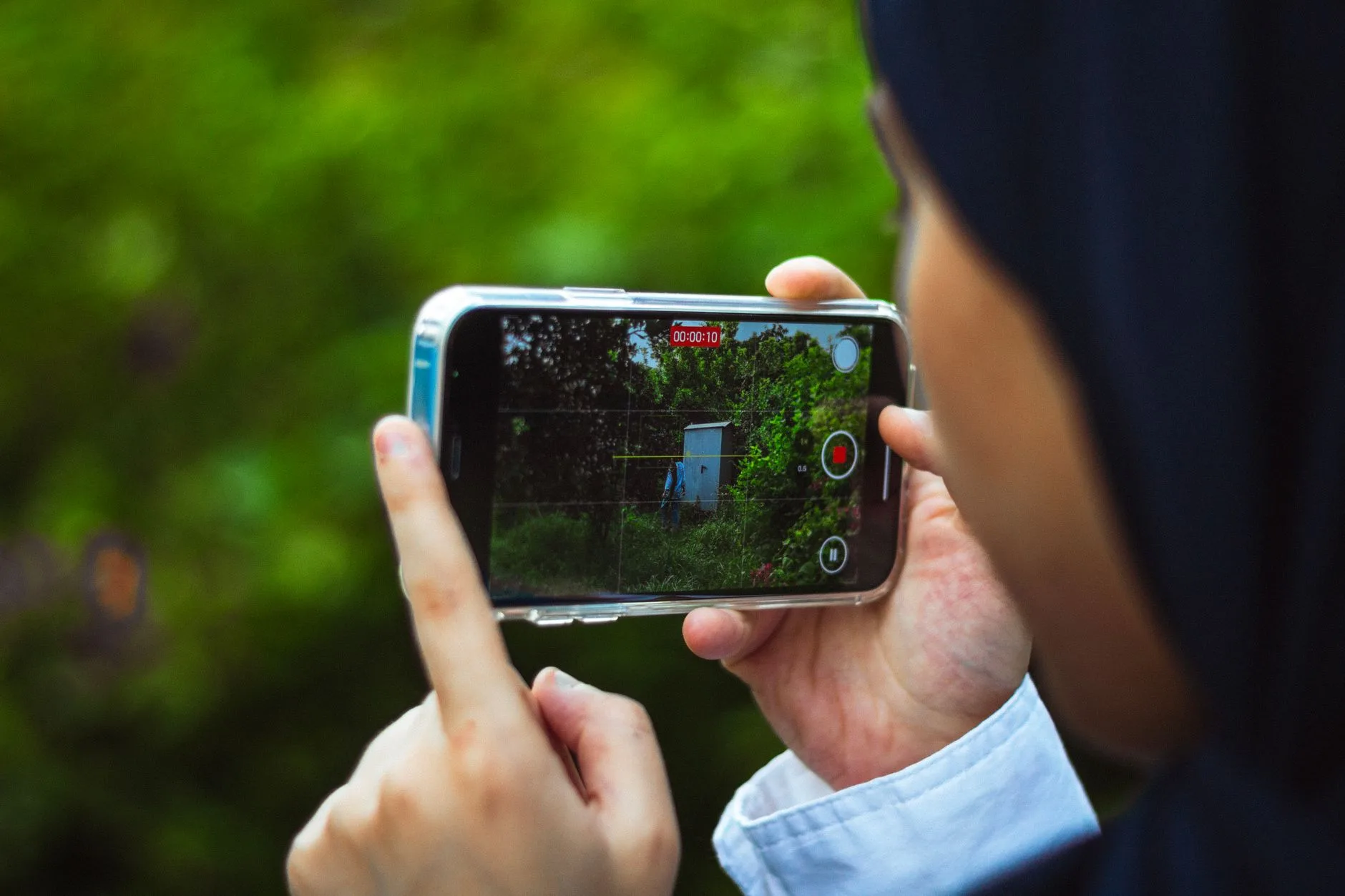
Picture this: A popular lifestyle vlogger is walking through the bustling, vibrant markets of Balogun in Lagos. The energy is infectious, the colors are bright, and the camera is rolling. In a split second, the lens captures a close-up of a woman haggling over prices, her frustrated expression providing the perfect ‘comedic’ beat for a viral reel. The video gets millions of views, but the woman in the video never agreed to be part of the creator’s brand. She didn’t ask to be the punchline of a global audience.
This scenario is becoming increasingly common as the creator economy matures. The tension between the freedom to film in public spaces and the fundamental right to privacy has created a legal and ethical grey area. As digital footprints become more permanent, the question is no longer just about etiquette; it is about data protection and the legal rights of the individual.
The Legal Reality: A Face is Personal Data
Many creators operate under the misconception that once a person enters a public space, they waive all rights to their image. From a legal standpoint, especially under frameworks like the Nigeria Data Protection Act (NDPA) and the EU’s GDPR, this is a dangerous assumption. A person’s face is considered biometric data or, at the very least, personal data that can identify them.
When an influencer processes this data—meaning they capture, record, and upload it—they are performing a data processing activity. For this to be lawful, there must be a valid legal basis. While ‘legitimate interest’ is often cited by creators, it must be balanced against the rights and freedoms of the subject. If the video causes embarrassment, targets a specific individual, or uses their likeness for commercial gain without permission, the ‘legitimate interest’ argument often fails.
According to guidelines from the Nigeria Data Protection Commission (NDPC), processing personal data must be transparent and respect the subject’s privacy. For influencers, this means that the line between ‘documenting life’ and ‘exploiting individuals’ is governed by how identifiable and impacted those individuals are by the content.
Why Influencers Ask Consent Showing Strangers is a Legal Necessity
The debate surrounding whether influencers ask consent showing strangers often centers on the distinction between incidental capture and intentional targeting. However, as monetization becomes the primary driver for most professional creators, the distinction narrows.
1. Mitigation of Legal Risk
If a video is used to promote a brand, a product, or even just the influencer’s own persona (which is a commercial activity), the subject can argue that their likeness is being used for profit without compensation or permission. This opens the door to litigation regarding personality rights and data privacy violations.
2. Preventing Harassment and Doxing
In the age of viral content, a single video can lead to a stranger being identified, stalked, or harassed by a global audience. When a creator captures a stranger in a moment of vulnerability—be it anger, sadness, or even an accidental stumble—they are potentially facilitating a digital pile-on that the subject never consented to join.
3. Protecting Brand Reputation
For the influencer, the risk is not just legal; it is reputational. Audiences are increasingly privacy-conscious. A creator known for ‘ambushing’ people for content may find their digital trust eroding, making them less attractive to high-tier sponsors and brand partners who prioritize compliance and ethical standards.
The Spectrum of Consent: A Practical Framework
Not every video requires a signed release form, but a tiered approach to consent can help creators navigate these waters ethically. Use the following table to determine the necessary level of action:
| Scenario Type | Description | Risk Level | Recommended Action |
|---|---|---|---|
| Incidental Background | People walking in the distance; faces are not the focus. | Low | No explicit consent needed; consider blurring if identifiable. |
| Reaction Capture | Capturing a stranger’s reaction to something happening in the video. | Medium | Attempt to ask for verbal consent; blur if they decline. |
| Street Interviews | Directly engaging a stranger to speak on camera. | High | Explicit verbal or written consent is mandatory. |
| Commercial/Brand Content | Using a stranger’s presence to sell a product or lifestyle. | Very High | Written model release is essential. |
Case Study: The ‘Reaction’ Backlash
Consider the case of a hypothetical travel influencer filming a ‘luxury experience’ in a high-end hotel. During the vlog, the camera pans across the lounge, clearly capturing a patron having a private argument with a staff member. The influencer keeps the clip in because it adds ‘drama’ to the video.
Within 24 hours, the patron is identified via social media, and their professional reputation is damaged due to the perceived argument. The patron files a complaint with the relevant data protection authority, alleging a violation of privacy. The influencer is forced to delete the video, loses a major sponsorship deal due to the controversy, and faces a fine for unauthorized processing of personal data. This single moment of ‘content gold’ turned into a catastrophic business risk.
Practical Steps for Ethical Content Creators
If you are a creator, a producer, or a digital marketing professional, adopting a ‘consent-first’ mindset is the best way to future-proof your career. Here is a simple checklist:
- Identify the Focus: Is the stranger the subject of the video or just part of the scenery? If they are the subject, you must ask.
- The Verbal Check: If you are filming in a semi-public space, a simple, “Hey, I’m filming a vlog, do you mind if you’re in the background?” goes a long way.
- Master the Blur: If you cannot get consent, or if someone clearly looks uncomfortable, use post-production tools to blur faces and identifying features (tattoos, unique clothing, license plates).
- Respect the ‘No’: If someone asks you to stop filming or delete the footage, do it immediately. Arguing that you are in a ‘public space’ is a poor defense against a privacy claim.
Frequently Asked Questions
Can I be sued for filming in a public park?
While you generally have a right to film in public, you do not have an absolute right to exploit the identifiable personal data of others for commercial purposes without a legal basis.
Does blurring a face satisfy all privacy laws?
In many cases, yes. If the person is no longer ‘identifiable,’ the data is often no longer considered personal data. However, ensure that other identifiers like voices or unique locations are also managed.
What is the difference between a vlog and a commercial?
Legally, if you are earning money from your content (through ads, sponsorships, or affiliate links), your content is often viewed as a commercial activity, which increases your responsibility to obtain consent.
Conclusion
The digital landscape is shifting from a ‘wild west’ of unrestricted filming to a more regulated environment where individual rights are paramount. For creators, the question of whether influencers ask consent showing strangers should not be viewed as a hurdle to creativity, but as a pillar of professional sustainability. By respecting the privacy of the people who inhabit the spaces we film, we build a more respectful, trustworthy, and legally secure digital world.