Malicious NuGet Packages Target .NET Developers in Fake Job Assessment Scam

Share
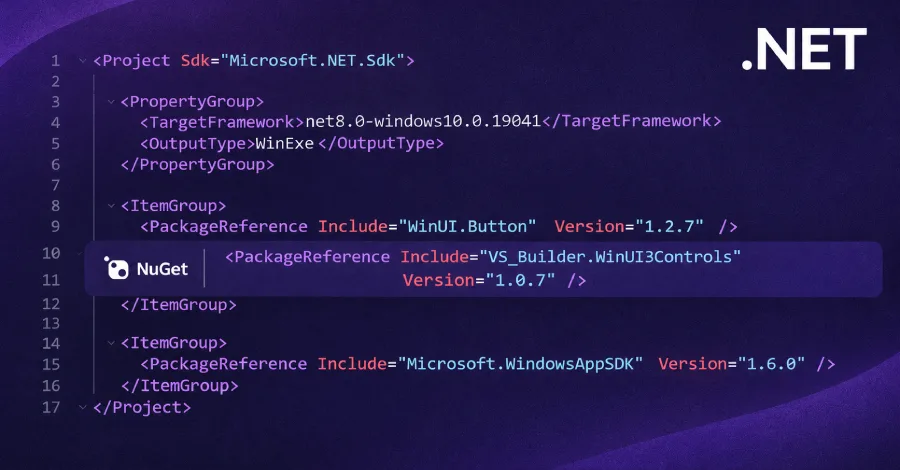
Security researchers have identified 13 malicious NuGet packages being used in a sophisticated social engineering campaign targeting Windows .NET developers. The operation uses fraudulent “take-home” job assessments to trick candidates into installing malware on their development machines.
The campaign, identified by researchers at Socket, typically begins with a job listing on freelance platforms like LaborX. Victims are directed to a GitHub repository, such as “stevenleedig-ux/WinUI3_Home_Assessment,” which contains a set of coding tasks designed to be completed within a few hours.
Malicious Packages Disguised as UI Controls
Most of the identified malicious NuGet packages pose as legitimate Windows UI (WinUI 3) or Windows Presentation Foundation (WPF) button controls. When a developer builds or runs a project referencing these packages, the software initiates a series of malicious routines.
According to Socket researcher Kush Pandya, one of the primary techniques used is DLL sideloading. The packages download files from GitHub and stage a malicious DLL alongside the legitimate Microsoft On-Screen Keyboard executable (osk.exe) to bypass security detections.
The identified packages include:
- WinUI.Button
- VS_Builder.MSBuildAnalyzer
- VS_Builder.WinUI3Controls
- HappyOne.MSBuildAnalyzer
- HappyOne.WinUI3Controls
- Web3TotalButton
- WinUI3IconButton
- StyledComponent
Credential Theft and C2 Communication
Beyond simple code execution, some versions of the malware were found to download an executable named “avast.exe” from a controlled GitHub repository. This payload functions as a loader that establishes two-way command-and-control (C2) communication.
The campaign also includes a Google Chrome profile stealer designed to exfiltrate browser data. A secondary payload discovered by researchers reports system information—including CPU models, usernames, and time zones—to the attackers via a Telegram bot.
Evidence suggests the campaign has been active since at least July 2026. While the malicious packages have been removed from the NuGet gallery, the threat actors have demonstrated persistence by republishing packages under new names shortly after previous ones were taken down.
Links to Coordinated Recruitment Scams
The threat actor behind the campaign appears to use a fake persona on the LaborX freelance marketplace, claiming to be a blockchain and DeFi specialist based in Miami. However, account metadata indicates the operator is actually based in Korea.
The tradecraft shares similarities with recruitment-themed operations previously attributed to North Korean and Iranian state-sponsored groups. However, researchers noted that the specific malware families and code used in this campaign do not match known North Korean clusters like “Contagious Interview.”
Developers are advised to exercise caution when asked to download external dependencies for technical assessments. Verifying the provenance of NuGet packages and inspecting .csproj files for unfamiliar references can help mitigate the risk of supply chain compromise during the recruitment process.