Travel Itinerary Screenshots: The Silent Signal Your Home Is Empty

Share
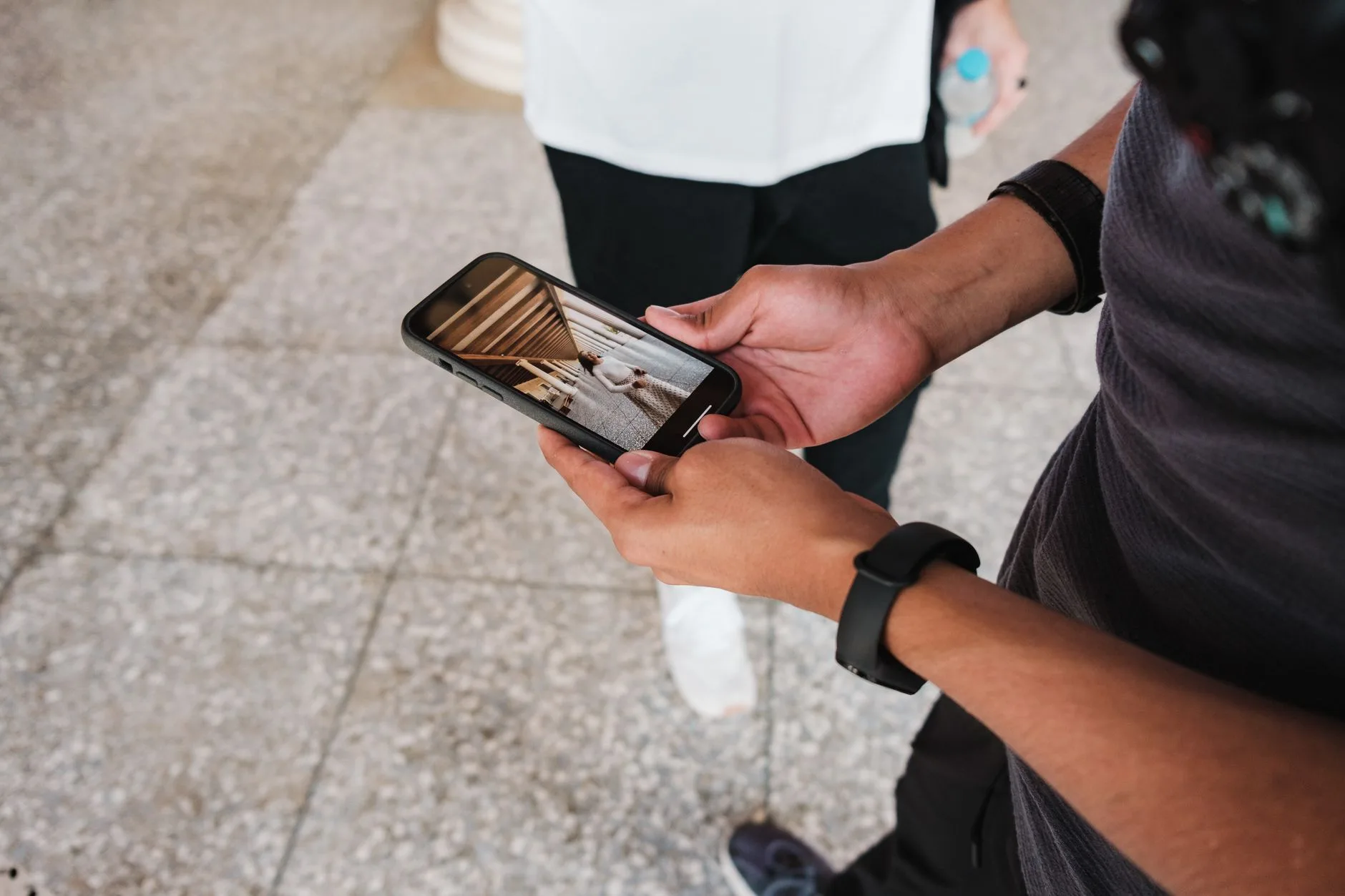
The exhilarating rush of booking a long-anticipated trip – perhaps a serene escape to Obudu Mountain Resort, a bustling business trip to Lagos, or an international flight to London – often comes with an immediate urge to share the news. For many, that first instinct is to snap a screenshot of the flight confirmation, hotel booking, or train ticket and broadcast it across WhatsApp, Instagram, or Facebook. While seemingly harmless, this common digital habit is a silent signal, a virtual invitation to criminals, revealing precisely when your home will be empty.
At Privacy Needle, we regularly dissect the subtle yet significant ways our digital lives intersect with real-world risks. A simple travel itinerary screenshot, intended to share joy or excitement, can inadvertently become a burglar’s blueprint, outlining the exact window of opportunity for a home invasion. This isn’t sensationalism; it’s a stark reality amplified by our increasingly connected world and the sophisticated methods criminals employ.
The Unseen Data in Your Travel Itinerary Screenshot
When you share a screenshot of your travel details, you’re not just sharing a picture; you’re sharing data. Even if you believe you’ve carefully redacted sensitive information, criminals are adept at piecing together fragmented clues. Consider what a typical booking confirmation contains:
- Departure and Return Dates & Times: This is the most critical piece of information, establishing the exact period your property will be unoccupied.
- Booking Reference Numbers / PNRs: These codes can sometimes be used to access or modify your booking, retrieve more personal information, or even check you in online, revealing further details.
- Passenger Names: Easily cross-referenced with public social media profiles or local directories to confirm an address.
- Origin and Destination: While less direct, knowing your travel plans helps confirm you are physically away from home.
- Barcodes and QR Codes: These scannable elements contain encoded information that can be readily extracted using simple apps, potentially revealing more data than you intended.
- Visible Location Data (EXIF): Less common with screenshots of documents, but if you’re screenshotting a live map or a web page with location services enabled, metadata could reveal where the screenshot was taken, inadvertently linking to your home.
For individuals in Nigeria, where social connections are strong and often public, this risk is particularly acute. A shared flight ticket on a WhatsApp status might reach not just close friends, but extended contacts, some of whom may not have your best interests at heart, or whose accounts might be compromised. The “friend of a friend” scenario creates an expanded, less secure audience for your private information.
A Real-World Scenario: When Digital Joy Becomes Real-World Risk
Meet Ada, a Lagos-based entrepreneur excited about her upcoming week-long business trip to Accra. She proudly posts a screenshot of her flight booking on her Instagram story, quickly drawing a line through her booking reference. “Accra bound! See you all next week,” her caption reads, complete with airport emojis. Her 500+ followers, including distant acquaintances and even a few profiles she doesn’t recognize, now know Ada will be away from her home in Ikoyi from Monday to Friday.
While Ada assumed her crude redaction was sufficient, the dates and times were crystal clear. A criminal, perhaps someone who follows her because they know she lives in a particular affluent area, now has a precise window. They might combine this with information gleaned from other public posts—photos of her home’s exterior, hints about her car, or even a visible street sign from a video—to pinpoint her residence. The result? Ada returns home to find her apartment ransacked, her valuables gone, and her sense of security shattered, all because of an innocent post.
This isn’t just about financial loss; it’s about the deep psychological impact. As the National Cyber Security Centre (NCSC) in the UK often advises, “Every piece of information shared online can be pieced together like a puzzle by those with malicious intent. What might seem insignificant in isolation becomes a critical data point when combined with other publicly available details, forming a powerful tool for criminals.”
The Human Stakes: Beyond Just Valuables
The consequences of a home invasion extend far beyond the monetary value of stolen items. The human stakes are profound:
- Loss of Irreplaceable Sentimental Items: Family heirlooms, photographs, personal documents that cannot be bought back.
- Violation of Personal Space: The feeling of having your sanctuary invaded, leading to long-lasting trauma and anxiety.
- Identity Theft Risk: Criminals might find physical documents (passports, bank statements) during a break-in, enabling them to commit identity fraud.
- Increased Insurance Premiums: A history of claims can lead to higher costs or difficulty obtaining future coverage.
- Sense of Insecurity: A permanent erosion of trust and safety in one’s own home and community.
Law enforcement agencies worldwide frequently highlight how digital data oversharing contributes to traditional crimes like burglaries, as criminals leverage readily available online information to plan their attacks. In fact, security firms consistently highlight how social media oversharing fuels various crimes. For instance, the Norton Cyber Safety Insights Report frequently reveals that a significant percentage of consumers globally admit to oversharing personal information online, inadvertently increasing their vulnerability to real-world threats. This underscores the crucial need for vigilance.
Safeguarding Your Home and Digital Privacy: Essential Steps
Protecting yourself requires a combination of digital caution and physical security. Here’s what you can do:
Digital Habits for Safer Travel Sharing
- Avoid Sharing Itineraries Entirely: The safest approach is simply not to post screenshots of your booking confirmations. Announce your trip in a general way, or share photos once you’ve arrived at your destination.
- Aggressive Redaction: If you must share, use robust editing tools to black out all sensitive information: dates, times, names, booking codes, barcodes, and any specific locations. Don’t just draw a thin line; use opaque blocks.
- Review Social Media Privacy Settings: Restrict who can see your posts. Limit sharing to “Friends Only” or a custom group of trusted contacts, rather than “Public.” Regularly audit your privacy settings across all platforms. For more insights on securing your digital footprint, visit our page on Data Protection Best Practices.
- Educate Your Circle: Remind family members and friends not to post about your travel plans on their social media accounts.
- Disable Location Services: Ensure your camera app isn’t embedding location data into photos, especially if you take a picture of your physical ticket.
Physical Security Measures While Away
- Trusted Home Sitter/Neighbour: Have someone trustworthy check on your home, collect mail, or park their car in your driveway to give the impression of occupancy.
- Smart Home Security: Utilise smart lights on timers, motion-sensor cameras, or alarm systems connected to your phone.
- Secure All Entry Points: Double-check all doors and windows are locked before you leave.
- Avoid Obvious Signs of Absence: Don’t leave notes on the door, stop mail or newspaper deliveries, or leave your curtains perpetually drawn (unless that’s normal for your home).
Risk vs. Safeguard Table
| Common Sharing Habit | Associated Risk | Effective Safeguard |
|---|---|---|
| Posting full flight ticket screenshot | Precise travel dates & PNR revealed | Do not post; share destination photos only upon arrival. |
| Sharing ‘Countdown to Trip’ posts | Signals imminent departure | Announce trip broadly, or share photos after your return. |
| Public social media profiles | Easy linking of posts to home address | Restrict posts to trusted contacts; limit public info. |
| Family members sharing your travel | Unintended broader audience for your plans | Educate family on privacy; ask them not to post. |
Businesses, too, have a role to play. Promoting digital literacy and cybersecurity awareness among employees, especially those who travel frequently for work, is crucial. Companies should integrate privacy training that covers social media best practices, safeguarding not just company assets but also the personal safety of their staff. Such comprehensive approaches are part of broader cybersecurity threat mitigation strategies.
Frequently Asked Questions
Q: Can criminals really use just a screenshot to find my home?
A: While a screenshot alone might not contain your exact address, it provides crucial information (travel dates, name) that can be combined with other publicly available data (social media profiles, public records, local knowledge) to ascertain your home’s location and confirm its vacancy.
Q: What if I only share with my ‘Close Friends’ on Instagram?
A: While this reduces the immediate risk compared to a public post, the ‘Close Friends’ list can still be extensive. The principle remains: the less information you share about your exact travel plans, the safer you are. Consider the trustworthiness of every person on that list and remember their accounts could also be compromised.
Q: Is there any safe way to share my excitement about a trip online?
A: Absolutely! Instead of posting your itinerary, share a generic image of your destination, a packed suitcase (without any visible personal info), or simply announce your trip in a general sense. The safest way is to share photos and stories once you’ve safely arrived or even after you’ve returned home.
Conclusion: Your Digital Footprint, Your Home’s Security
In our hyper-connected world, the lines between our online presence and our physical safety are increasingly blurred. A seemingly innocent act like sharing a travel itinerary screenshot can have serious, real-world ramifications, revealing that your home is empty and vulnerable. As individuals, businesses, and privacy professionals, understanding this invisible threat is the first step towards robust protection.
By adopting mindful digital habits, exercising caution with what we share online, and implementing practical security measures, we can enjoy the excitement of travel without compromising the safety and sanctity of our homes. Your digital footprint is a powerful tool; ensure it always works to your advantage, not against it.