



Should You Share a Live Running Route With Strangers? A Privacy Needle Guide

Share
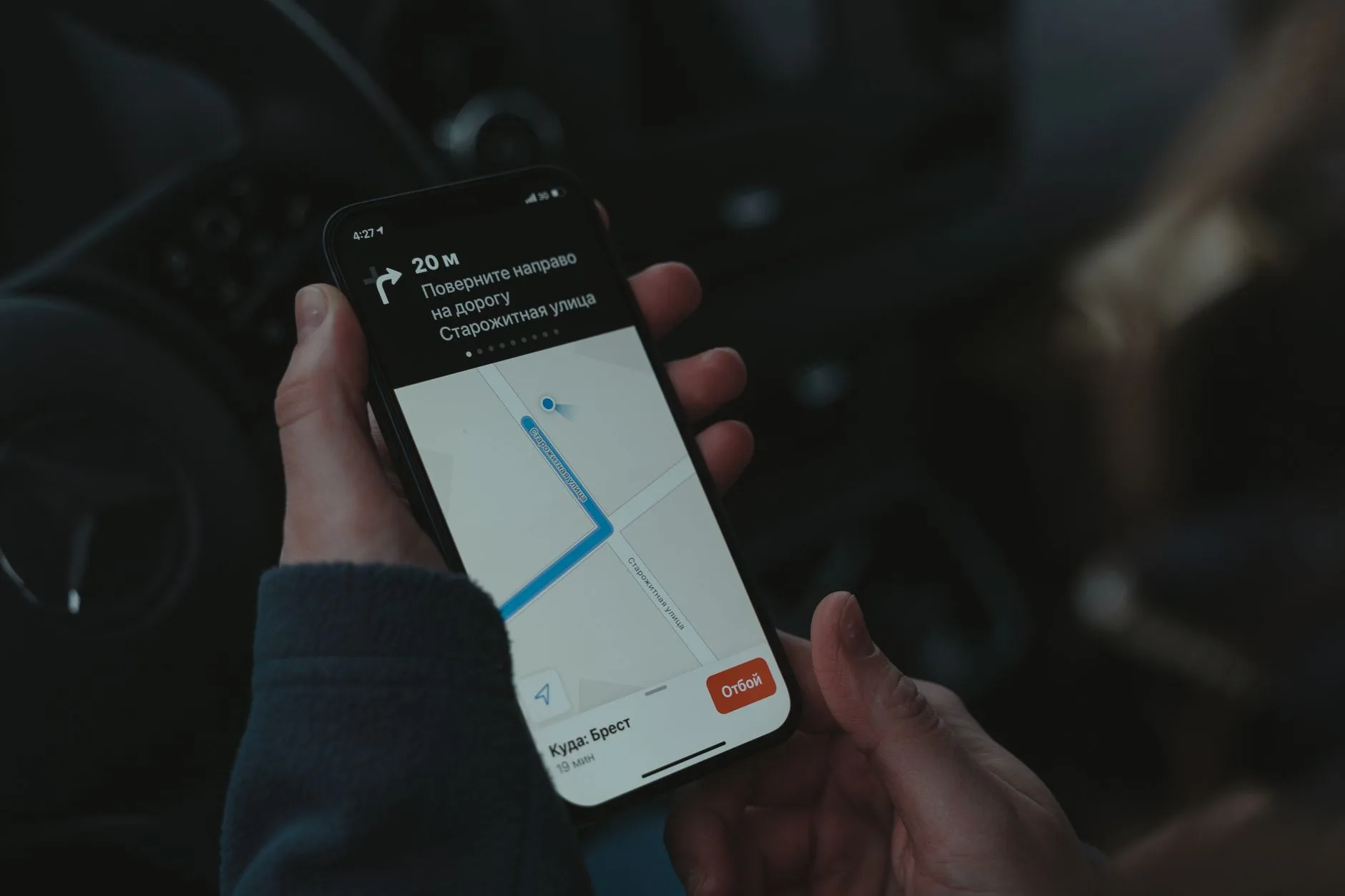
In bustling Nigerian cities like Lagos and Abuja, early morning runners are a common sight, navigating busy streets and community parks. While sharing a physical path with familiar faces is often a sign of camaraderie and safety in numbers, the digital equivalent – broadcasting your live running route to strangers – introduces a complex layer of privacy and security concerns that many often overlook.
The convenience and motivation offered by fitness tracking apps are undeniable. They record our performance, celebrate milestones, and connect us with a global community of enthusiasts. But when these apps offer the option to share live running route with strangers, we cross a significant boundary, potentially exposing far more than just our pace and distance. This article delves into the critical privacy implications and practical risks associated with such sharing, offering guidance for individuals, businesses, and digital platforms.
The Allure of Live Route Sharing: Why We Do It
Before examining the risks, it’s important to understand the motivations behind sharing. For many, live route sharing is a powerful tool:
- Motivation and Accountability: Knowing others are virtually following can be a strong incentive to stick to a plan and push harder.
- Virtual Community and Connection: It fosters a sense of belonging among runners, enabling virtual high-fives and encouragement.
- Safety in Numbers (Perceived): Some believe that sharing their live location acts as a safety net, allowing friends or family to know their whereabouts in case of an emergency.
- Competitive Edge: For competitive athletes, it allows for real-time tracking and comparison with rivals or training partners.
However, the line between sharing with a trusted circle and broadcasting to the wider internet is often blurred by default settings and user complacency, turning a helpful feature into a significant vulnerability.
The Unseen Risks: When Live Sharing Becomes a Liability
The act of sharing a live running route might seem innocuous, but the data involved goes beyond simple map coordinates. It’s a continuous stream of your precise location, speed, and often, your predictable patterns. This information, especially when shared with strangers, can have serious privacy and safety repercussions.
1. Personal Safety and Stalking
Perhaps the most immediate and alarming risk is the potential for physical danger. A stalker or malicious individual can use your live route to:
- Pinpoint Your Home Address: By tracking your start and end points over time, an attacker can easily deduce where you live.
- Intercept Your Path: Knowing your live location allows someone to intercept you during your run, posing a risk of assault, robbery, or harassment.
- Identify Routine Patterns: Consistent routes and times create predictable patterns, making it easier for an attacker to anticipate your movements and plan an encounter.
Real-life Scenario: Imagine a runner, let’s call her Chioma, who regularly shares her morning runs from her app with a public setting, believing it encourages her. A stranger, monitoring her activity for weeks, notices her consistent 6 AM loop starting and ending at her compound in Lekki, Lagos. One morning, the stranger waits near her return point, leading to a frightening and potentially dangerous confrontation. This scenario, unfortunately, is not uncommon globally, with reports frequently highlighting how publicly available location data facilitates online stalking and harassment.
2. Data Protection and Digital Footprint
Beyond immediate physical threats, sharing your live running route contributes significantly to your digital footprint, exposing sensitive personal information:
- Geolocation Data: This is highly personal. Combined with other publicly available data (like social media profiles), it can paint a very detailed picture of your life.
- Habitual Movements: Your routes reveal where you work, where your children go to school (if your route passes them), or places you frequent regularly.
- Metadata: The timing, duration, and even the type of device used can be inferred, creating more data points for profiling.
As Daniel J. Solove, a leading privacy scholar and author, often emphasizes, "Privacy is not about secrecy; it is about control over information about ourselves." When we share our live location, we relinquish a significant degree of that control.
3. Implications for Businesses and Platforms
For businesses operating fitness apps, the responsibility to protect user data is paramount. Platforms must:
- Prioritize Privacy by Design: Ensure privacy settings are robust and user-friendly, with opt-in for public sharing rather than opt-out.
- Educate Users: Clearly communicate the risks associated with public live sharing.
- Implement Strong Security Measures: Protect against data breaches that could expose user location history.
- Comply with Regulations: Adhere to data protection laws like Nigeria’s NDPA, GDPR, or CCPA regarding sensitive location data.
Failure to do so can lead to significant regulatory fines, reputational damage, and loss of user trust. The U.S. Federal Trade Commission (FTC) has taken action against companies for sharing sensitive health and location information without explicit user consent, underscoring the serious regulatory landscape.
Navigating the Digital Terrain: Practical Steps for Runners and App Users
The decision to share live running route strangers should always be approached with extreme caution. Here’s a practical guide:
Should You Share? A Clear Answer
Generally, no. You should avoid sharing your live running route with strangers. The potential risks to your personal safety and privacy far outweigh the perceived benefits of broader public engagement.
When and How to Share Safely (If At All)
If you must share your live route, limit it strictly to a very small, trusted circle (e.g., a family member or close friend who knows your route and can act if needed) and follow these guidelines:
- Review Privacy Settings: Always check and customize your fitness app’s privacy settings. Ensure live tracking is off by default or set to "private" or "friends only." Understanding your data protection rights is key.
- Use Geofencing: Many apps allow you to create "privacy zones" around sensitive locations like your home or workplace. Routes within these zones will not be publicly shared.
- Delay Sharing: Share your route *after* your run is completed, and only with specific individuals or groups, not live.
- Trim Your Route: Some apps allow you to automatically trim the start and end points of your run, obscuring your exact home or work address.
- Vary Your Routes: If you regularly run, vary your routes and times to avoid establishing predictable patterns that could be exploited.
- Strong Authentication: Ensure your fitness accounts are secured with strong, unique passwords and two-factor authentication (improving your tech security).
- Educate Yourself: Stay informed about the privacy policies of the apps you use. Compliance with data privacy laws often dictates how your data is handled.
Privacy Checklist for Fitness Apps
| Action | Recommendation | Why it Matters |
|---|---|---|
| Default Privacy Settings | Set to "Private" or "Friends Only" for live sharing. | Prevents accidental public exposure. |
| Review "Who Can See Me" | Restrict to trusted contacts or turn off. | Direct control over live visibility. |
| Geofence Home/Work Zones | Utilize privacy zones in app settings. | Masks sensitive start/end points. |
| Data Sharing with Third-Parties | Limit or disable where possible. | Reduces broader data footprint. |
| Public Profile Visibility | Keep personal details minimal. | Avoids correlating location with identity. |
| Location Services for App | Set to "While Using App" only. | Prevents background tracking. |
Conclusion: Informed Choices for Digital Safety
The decision to share live running route strangers is a deeply personal one, but it comes with significant and often underestimated risks. While the appeal of community and motivation is strong, the potential for privacy breaches and physical danger should compel us towards extreme caution. For individuals, prioritizing personal safety and understanding the privacy settings of fitness apps is non-negotiable. For businesses and app developers, embedding privacy by design and transparent user education are not just compliance requirements but ethical imperatives. In our increasingly interconnected world, being digitally active must always be balanced with being digitally smart and safe.










