



Smart Scale Privacy: Balancing Personal Fitness with Data Security

Share
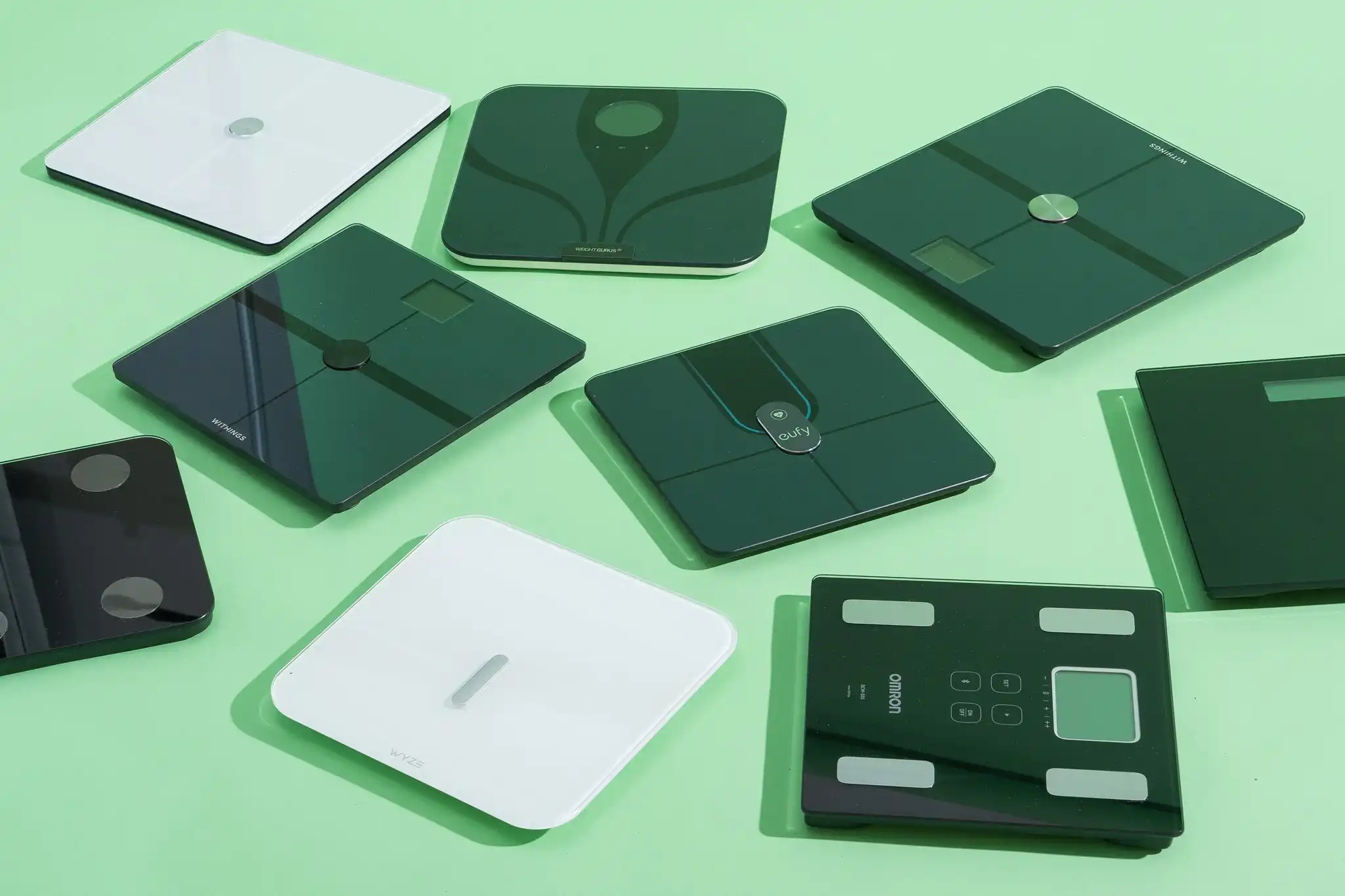
In an era where personal health tracking has become ubiquitous, the humble bathroom scale has evolved into a sophisticated IoT device. Modern smart scales do more than calculate body weight; they use bioelectrical impedance analysis (BIA) to estimate body fat, bone density, muscle mass, and even heart rhythm. While these insights can be transformative for fitness enthusiasts, they introduce significant smart scale privacy concerns that often go overlooked.
The Data Behind the Numbers
When you step onto a smart scale, you are often providing more than just weight. Through BIA, these devices pass a low-level electrical current through your body. The resulting data points—often exceeding 30 to 50 metrics—are transmitted via Bluetooth or Wi-Fi to a proprietary mobile application. From there, this information frequently syncs with third-party ecosystems like Apple Health or Google Fit.
For the privacy-conscious consumer, the risk profile is clear: you are generating a granular, longitudinal profile of your physiological health. This information, if mishandled or intercepted, is highly sensitive biometric data. Unlike a password, you cannot reset your body fat percentage or bone density if this information is exposed in a data breach.
Evaluating Market Options and Risk
Before purchasing a device, users should consider how different manufacturers handle data residency and encryption. Devices like the Withings Body Scan or the Hume Health Body Pod offer advanced diagnostics, but they also require robust app permissions. Below is a comparison of common features found in 2026-era high-end scales:
| Scale Model | Primary Connectivity | Metric Depth | Key Privacy Consideration |
|---|---|---|---|
| Hume Health Body Pod | Bluetooth | 45+ Metrics | Data stored locally vs. cloud synchronization |
| Oxiline MD Pro | Bluetooth | 31 Metrics | App data access permissions |
| Withings Body Scan | Wi-Fi/Bluetooth | Clinical-grade sensors | Cloud account security/2FA |
| MorphoScan Smart Scale | Bluetooth | 50+ Metrics | Third-party integration scope |
Privacy Best Practices for Health Tech
Integrating a smart scale into your home environment requires a proactive approach to data protection. To mitigate risks, consider the following security measures:
- Limit Permissions: Review the app permissions on your smartphone. Does the scale app really need access to your location or contacts? Restrict access to only what is strictly necessary for synchronization.
- Secure Your Accounts: If your scale requires a cloud-based account to function, ensure you have enabled multi-factor authentication (MFA) to prevent unauthorized access to your historical health trends.
- Audit Third-Party Syncs: If you sync your scale with platforms like Fitbit or Apple Health, be aware that you are expanding the attack surface of your data. Regularly review which apps have authorization to read your health records.
- Understand Data Retention: Check the vendor’s privacy policy regarding data deletion. Can you request a full export or permanent erasure of your biometric data if you decide to stop using the product?
The Reality of In-Home Diagnostics
While industry leaders like those mentioned above focus on features like 6-lead ECGs and segmental body composition, the trade-off is often a move toward more centralized, cloud-dependent data models. The convenience of seeing your health trends on a dashboard is undeniably useful, but it requires a baseline of digital hygiene. As these devices continue to collect more intimate health data, the responsibility falls on the consumer to demand transparency and practice strict account management.
Ultimately, the value of a smart scale lies in long-term trend analysis rather than single, isolated readings. By prioritizing smart scale privacy through limited connectivity, secure app management, and regular audits of your data subject rights, you can enjoy the benefits of modern fitness tracking without compromising your most sensitive biometric information.








Leave a Reply