If You Paid for an Event, Can the Organiser Use Your Face in Ads?

Share
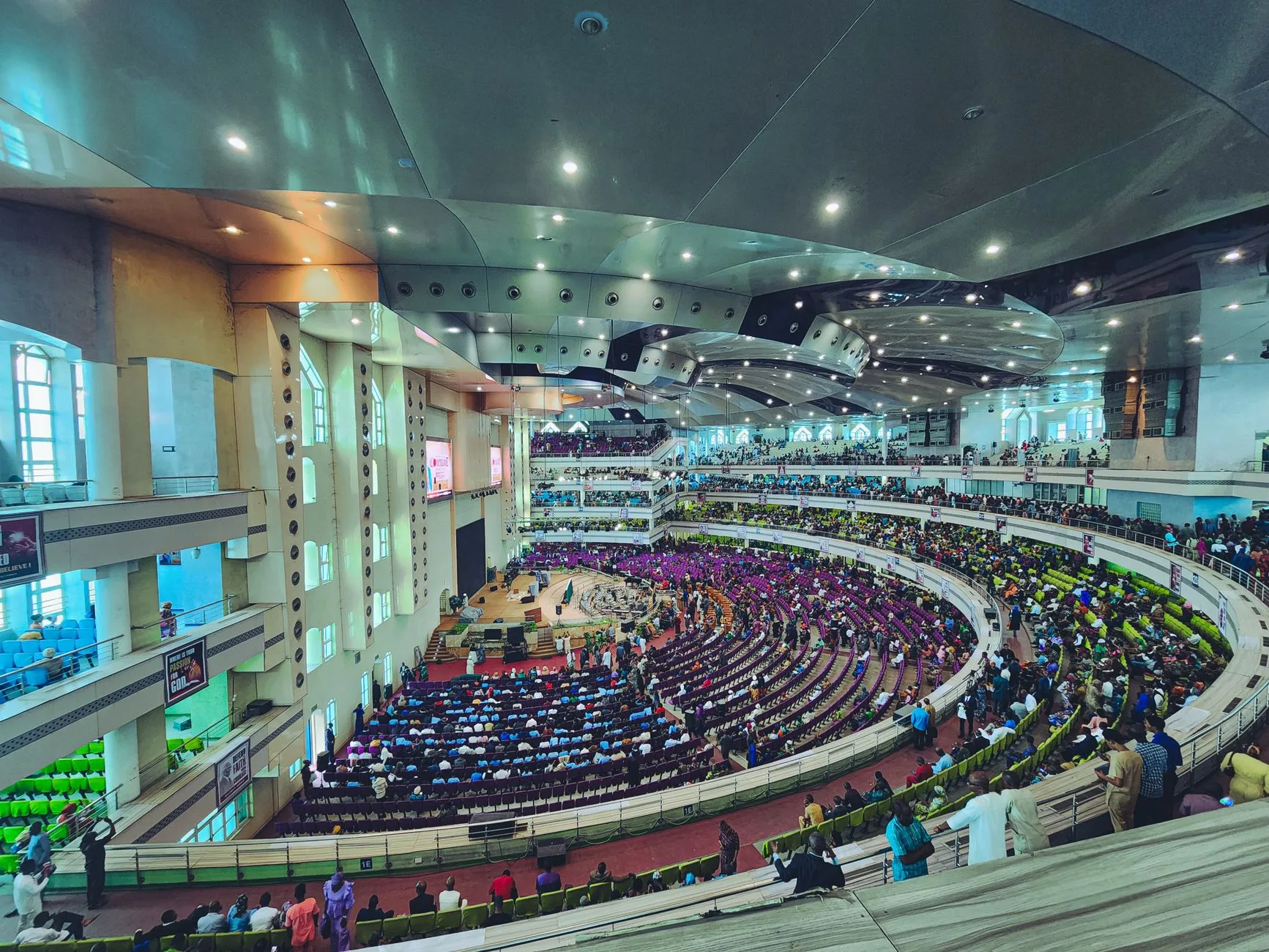
Imagine you have just spent a full day at a high-profile fintech summit in Lagos. You have networking cards in your pocket, new insights in your head, and a slight exhaustion from the intense sessions. A few days later, while scrolling through LinkedIn, you stop dead in your tracks. There, in a sponsored advertisement for next year’s summit, is a high-definition, professional close-up of you, laughing mid-sentence during a panel discussion. You never signed a model release. You never clicked a box saying your face could be used for marketing. You simply paid for a ticket to learn.
This scenario is increasingly common in the era of high-production event marketing. It raises a fundamental question of digital agency: Does the act of purchasing an event ticket grant the host a perpetual license to use your biometric identity for their own commercial gain? The short answer is no, but the legal nuance between a “candid crowd shot” and a “targeted advertisement” is where most organisations stumble.
The Core Conflict: Attendance is Not Consent
At the heart of this issue is the distinction between being an attendee and being a marketing asset. When you buy a ticket, you are entering into a contract for access to information, venue, and networking. You are not, by default, entering into a contract to serve as a brand ambassador.
Under modern data protection laws, such as the Nigeria Data Protection Act (NDPA) and the General Data Protection Regulation (GDPR) in Europe, your image is considered personal data. If that image is used to identify you, it falls under strict regulatory scrutiny. The legal friction occurs when an paid event organiser use face imagery to drive sales, as this often exceeds the original purpose for which the data (your presence) was collected.
“The principle of purpose limitation is the bedrock of modern data protection. Data collected for one reason—to facilitate event entry—cannot be unilaterally repurposed for another—to fuel a global advertising campaign—without a valid legal basis.”
This principle ensures that individuals maintain control over how their identity is monetised and displayed in the digital ecosystem.
The Legal Threshold: When a Paid Event Organiser Use Face Data for Marketing
To understand if an organiser is acting legally, we must look at the “lawful basis” for processing. Most organisers attempt to rely on two specific pillars, but they are not equally effective for advertising.
1. Consent (The Gold Standard)
Consent must be freely given, specific, informed, and unambiguous. In a perfect world, your event registration form would include a clear, un-ticked checkbox: “I consent to my image being used in promotional materials and advertisements.” If you don’t tick it, they cannot use your face in an ad. If you do tick it, you have effectively granted them permission.
2. Legitimate Interest (The Grey Area)
Some organisers argue they have a “legitimate interest” in taking photos to show the success of their event. While this might justify a photo of a massive crowd in the background of a website, it rarely covers a high-resolution close-up of an individual used in a paid social media campaign. Using an individual’s face to sell a product (the next event) is a heavy commercial lift that usually requires the higher bar of explicit consent.
| Scenario | Legal Standing | Risk Level |
|---|---|---|
| A wide-angle shot of a crowded hall where you are a tiny, unidentifiable part of the background. | Generally Permissible | Low |
| A photo of a group of people where you are clearly visible and identifiable. | Requires Notice | Medium |
| A close-up or “hero shot” of you used in a sponsored Instagram or LinkedIn ad. | Requires Explicit Consent | High |
| Using AI to animate your face from a photo for a promotional video. | Requires Explicit Consent | Very High |
Case Study: The Tech Summit Surprise
Consider the case of “Amara,” a software engineer attending a tech conference in Abuja. Amara is highly active on professional networks but is also cautious about her digital footprint. During the keynote, a professional photographer captured a striking photo of Amara nodding intently. A month later, Amara saw herself as the primary face of the organiser’s YouTube pre-roll ad.
Amara had seen a small sign at the registration desk that said, “Photography in progress,” but she had never explicitly agreed to her image being used for paid advertising. Under the NDPA, Amara has the right to object to this processing. Because the use of her face was for a commercial marketing purpose that was not clearly communicated during registration, the organiser is in a position of non-compliance. This is a classic example of where compliance frameworks fail because they rely on passive notice rather than active permission.
Practical Checklist for Event Organisers
If you are a founder, event planner, or part of a marketing team, avoiding these pitfalls is essential for maintaining digital trust. Use this checklist to ensure your marketing doesn’t become a regulatory liability:
- Separate your checkboxes: Do not bundle “Terms and Conditions” with “Marketing Consent.” They must be distinct.
- Provide clear signage: While signs at entrances are good practice, they do not replace the need for consent for individual-focused marketing.
- Implement an opt-out mechanism: Make it easy for attendees to tell your photography team, “I do not wish to be photographed.”
- Review your assets: Before launching a paid ad campaign, audit your images. If an image features a single person prominently, ensure you have a signed release or explicit digital consent on file.
How to Protect Your Privacy as an Attendee
As an informed consumer, you can take proactive steps to manage your digital presence at public events:
- Read the fine print: Before paying for a ticket, check the privacy policy for clauses regarding “media usage” or “promotional rights.”
- Speak up early: If you see photographers, you can request a specific color lanyard or sticker that identifies you as someone who does not wish to be photographed.
- Exercise your rights: If you find your face in an unauthorised advertisement, contact the organiser’s Data Protection Officer (DPO). You have the right to request the deletion of that image under the right to erasure.
Frequently Asked Questions
Does a ‘Photography in Progress’ sign count as consent?
No. A sign serves as a notice, but it does not constitute the “unambiguous, affirmative action” required for using identifiable personal data in commercial advertising.
Can I ask an organiser to remove my photo from their website?
Yes. Under most modern privacy laws, including the NDPA and GDPR, you have the right to request the removal of your personal data if the legal basis for its processing is no longer valid or if you withdraw consent.
What should I do if an organiser refuses to remove my image?
If you have a valid reason and they refuse, you can lodge a complaint with your national data protection authority, such as the NDPC in Nigeria.
Conclusion
The relationship between event organisers and attendees should be built on mutual value, not on the unauthorised exploitation of personal identity. While organizers need visual content to demonstrate the vitality of their events, they must respect the boundary between documentation and advertisement. As the digital landscape becomes more sophisticated, understanding the limits of when a paid event organiser use face data is essential for both protecting your personal brand and ensuring your business remains compliant with the law. Digital trust is earned through transparency, not through surprise marketing.