



New GitDoor and GraphDoor Backdoors Abuse GitHub and SharePoint for Stealthy C2

Share
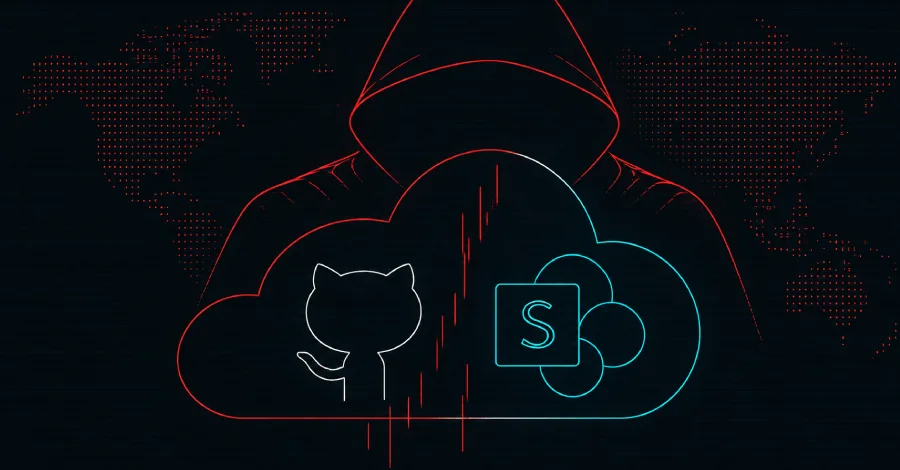
Government agencies in Asia and Africa are the primary targets of a newly identified cyber espionage campaign using previously undocumented modular backdoors. The implants, named GitDoor and GraphDoor, leverage legitimate cloud platforms to hide command-and-control (C2) communications.
The activity, which researchers at Kaspersky have codenamed Operation ShadowCloud, involves the abuse of the legitimate MeshAgent utility to deploy the malware. By using services such as GitHub, Microsoft SharePoint, and the Ably messaging service, the attackers ensure their malicious traffic blends in with routine enterprise cloud activity.
Modular Design and Stealthy Communication
Both backdoors are designed to be highly modular, allowing the threat actors to download additional plugins on demand and execute shellcode directly in memory. This approach minimises the footprint on the infected host and complicates traditional file-based detection.
GitDoor utilises GitHub repositories for its C2 operations, relying on public and private repositories to receive instruction payloads and upload stolen data. It supports 26 distinct commands, enabling functions such as file management, keystroke logging, and the initiation of proxies to tunnel traffic.
GraphDoor focuses on Microsoft infrastructure, authenticating via the Microsoft Graph API to stage and retrieve data from SharePoint drives. It employs specific plugins to capture screenshots, list running processes, and exfiltrate credentials from the Windows Local Security Authority Subsystem Service (LSASS).
Attribution and Links to Chinese-Nexus Groups
While the specific identity of the group behind Operation ShadowCloud has not been definitively confirmed, researchers noted significant tactical overlaps with Chinese-speaking threat actors. Sophos tracks similar activity under the moniker Bronze Sandcastle, and tactical similarities have been observed with groups such as FamousSparrow and BlackTech (also known as CopperTurtle).
Analysis of the infection chain suggests that the attackers may be reusing prior infections already present on target networks. Once access is established, the MeshCentral Agent is configured to fetch payloads that use DLL side-loading techniques to launch the final encrypted backdoor.
The campaign highlights a continuing trend of threat actors “living off trusted services.” By using encrypted cloud API calls that are indistinguishable from legitimate business usage, the actors effectively bypass many network-based security controls and maintain persistent access to high-value government targets.














Leave a Reply