Can a Food Delivery App Guess Your Daily Routine? The Privacy Deep Dive

Share
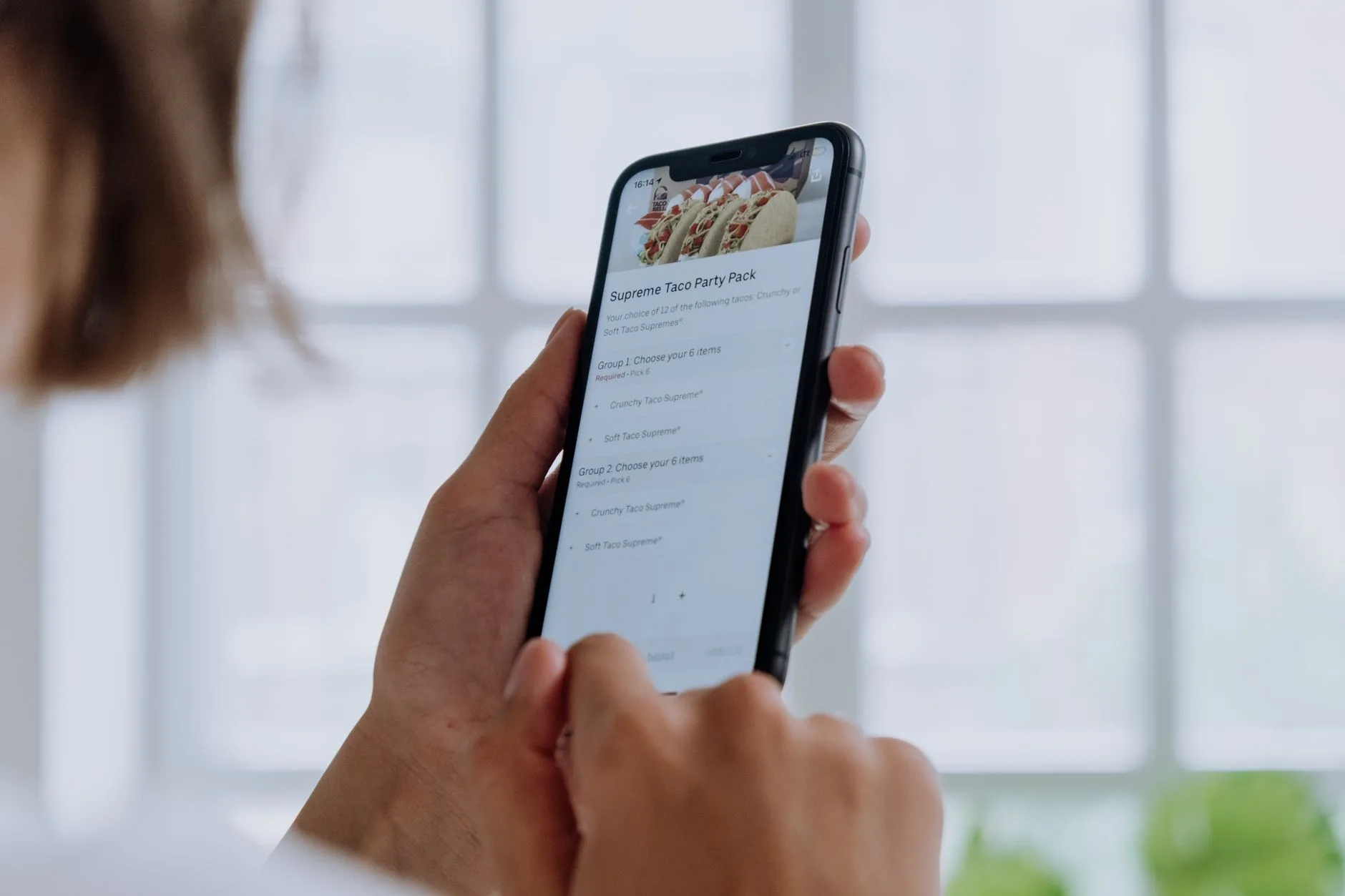
Imagine navigating the bustling streets of Lagos or Abuja, and at a certain time each day, a notification from your favourite food delivery app pops up, recommending your usual Jollof Rice from that local spot. Coincidence? Not quite. In a world where convenience is king, food delivery apps have become indispensable. But beneath the seamless ordering and doorstep delivery lies a sophisticated data collection engine, capable of piecing together an astonishingly accurate picture of your daily routine – sometimes, even before you consciously realise it yourself.
The question isn’t just if these apps can guess your routine, but how they do it, and what the far-reaching privacy implications are for individuals, businesses, and the broader digital landscape. As we increasingly rely on these platforms for everything from our morning coffee to our late-night cravings, understanding their data practices is crucial for maintaining digital trust and safeguarding personal privacy.
How Your Food Delivery App Gets Inside Your Head (and Schedule)
Food delivery apps aren’t just processing your current order; they’re constantly collecting and analysing a treasure trove of data points. Think of it as building a comprehensive digital profile that goes far beyond your preferred cuisine. Here’s a closer look at the data points that enable a food delivery app to guess your daily routine:
- GPS Location Data: Not just where you are when you order, but your historical movements. Apps can infer your home address, workplace, gym, preferred leisure spots, and even your commute patterns. Regular orders from the same location at the same time signal a routine.
- Order History: This is the most obvious. What you order, when, how often, and from which restaurants. Do you always order breakfast around 8 AM? Lunch at 1 PM from your office building? Late-night snacks on weekends? These patterns are goldmines for predictive analytics.
- Time and Day of Orders: Consistent ordering times indicate daily habits. Friday evening pizza, Tuesday lunch, Sunday brunch – these become predictable elements of your week.
- Payment Methods and Spending Habits: This can reveal insights into your disposable income, financial preferences, and even whether you prefer premium or budget options.
- Device Information: Your phone model, operating system, network provider, and even battery life can be collected, allowing for cross-device tracking and insights into your tech habits.
- In-App Activity: What restaurants you browse, how long you spend on certain menus, abandoned carts, and ratings all feed into algorithms that understand your preferences and even indecisiveness.
- Third-Party Data: Sometimes, apps integrate with or purchase data from other sources, enriching your profile with information they didn’t directly collect.
By combining these data points, often processed by advanced AI and machine learning algorithms, apps can move from simple pattern recognition to sophisticated predictive modelling. They don’t just know you like pizza; they know you like pizza from ‘Pizza Palace’ on Friday evenings when you’re likely at home, possibly watching a movie. This predictive power allows them to anticipate your next order, offer hyper-targeted promotions, and even influence your choices.
The Unseen Profile: Beyond Your Immediate Needs
The predictive capabilities of food delivery apps extend beyond merely anticipating your next meal. They contribute to a comprehensive “digital twin” of your persona. Consider the following example:
Imagine Sarah, a young professional in Abuja. Every weekday at 7:30 AM, her app pings with a discount for a coffee and pastry from a café near her office. At 12:45 PM, she gets suggestions for a healthy salad or a quick rice bowl, often from restaurants close to her workplace. On Fridays, the recommendations shift to family-sized meals or dessert deals, usually from restaurants near her home. The app knows when she’s likely at work, when she’s at home, her preferred meal times, dietary tendencies (healthy during the week, indulgent on weekends), and even her approximate income bracket based on her typical order values.
This level of profiling enables apps to infer:
- Demographic and Socio-economic Indicators: Based on the types of restaurants you frequent, the average cost of your orders, and even the neighbourhoods you order from, apps can make educated guesses about your income level, lifestyle, and social class.
- Health and Wellness Insights: Consistent orders of specific dietary items (e.g., vegan, gluten-free, high-protein) can indicate health preferences or conditions. Irregular eating patterns might even hint at stress or work-life balance issues.
- Emotional State (Potentially): Frequent comfort food orders during certain periods might be correlated with specific emotional states, which could then be used for targeted marketing during similar times.
As Dr. Ifeoma Ajunwa, a leading scholar on AI and technology, notes, "The algorithms are not just predicting what you will do; they are often designed to influence what you should do." This influence isn’t always overt; it’s subtle, guiding your choices based on your established patterns and predicted desires.
The Privacy Risks for Individuals and Businesses
While the convenience is undeniable, the extensive data collection and predictive power of food delivery apps come with significant privacy risks:
For Individuals:
- Targeted Advertising & Price Discrimination: You might receive ads for specific products or even be offered different prices than other users based on your perceived willingness to pay or lifestyle.
- Data Breaches: A central repository of such detailed personal information makes these apps prime targets for cyberattacks. A data breach could expose not just your payment details, but also your home address, daily routine, and dietary habits, leading to identity theft or targeted scams.
- Inferences Used Against You: While unlikely for now, future scenarios could see inferred data (e.g., about health, income) used in contexts like insurance applications, credit scoring, or employment decisions, without your direct knowledge or consent.
- Loss of Autonomy: When algorithms are too good at predicting and influencing, it erodes your ability to make genuinely independent choices.
For Businesses (Food Delivery Platforms) & Compliance Teams:
- Reputational Damage & Fines: Failure to adequately protect user data or operate with transparency can lead to severe reputational damage, loss of user trust, and hefty fines under regulations like the Nigeria Data Protection Act (NDPA), GDPR, and CCPA.
- Compliance Burden: Managing vast amounts of personal data requires robust compliance frameworks, including clear privacy policies, mechanisms for data subject rights requests (access, deletion), data retention policies, and regular privacy impact assessments.
- Ethical Concerns: Businesses must grapple with the ethical implications of using highly personal, inferred data to influence consumer behaviour.
Protecting Your Plate and Your Privacy: Practical Steps
As users, we aren’t powerless. Here are practical steps to regain control and protect your privacy:
- Review App Permissions: Regularly check what permissions your food delivery app has on your phone (location, microphone, camera, contacts). Disable anything unnecessary.
- Limit Location Sharing: Set location access to “While Using App” or “Ask Next Time” instead of “Always.” Consider turning off precise location services when not actively ordering.
- Understand Privacy Policies: While lengthy, try to understand what data the app collects, how it’s used, and if it’s shared with third parties. Pay attention to how the app handles your data under the NDPA or other relevant laws.
- Opt-Out of Personalised Ads: Many apps and operating systems offer options to limit ad tracking or opt-out of personalized advertising. Utilize these features.
- Use Strong, Unique Passwords: Protect your account with a complex, unique password and enable Two-Factor Authentication (2FA) if available.
- Practice Data Minimisation: Only provide the information absolutely necessary for the service. For example, some apps allow you to remove saved payment methods after each order.
- Exercise Your Data Subject Rights: Under the NDPA and similar laws, you have rights to access, correct, or request deletion of your data. Don’t hesitate to exercise them.
Here’s a quick overview of how different data points collected contribute to profiling:
| Data Point Collected | What It Reveals About Your Routine | Potential Privacy Risk |
|---|---|---|
| GPS Location (real-time & historical) | Home, work, commute patterns, leisure spots. | Physical tracking, targeted location-based ads, security risks. |
| Order History (items, times, frequency) | Eating habits, meal times, dietary preferences, income level. | Health inferences, price discrimination, targeted dietary ads. |
| Payment Methods & Spending | Financial habits, spending power, preferred payment type. | Financial profiling, potential for fraud if breached. |
| Device Information (OS, model, network) | Tech sophistication, digital footprint, cross-device tracking. | Device-specific targeting, easier cross-device tracking, security vulnerabilities. |
FAQ: Your Data and Food Delivery Apps
Can food delivery apps sell my data?
Many apps state in their privacy policies that they may share or sell aggregated or anonymised data with third parties for marketing, research, or other business purposes. Some may also share your personal data with their partners for targeted advertising, often requiring you to opt-out if you wish to prevent it. Always read the privacy policy to understand their data sharing practices.
Are these data collection practices legal?
Yes, generally, these practices are legal as long as they comply with relevant data protection laws like Nigeria’s NDPA, GDPR, or CCPA. This usually means obtaining informed consent for data collection and processing, being transparent about data usage, and providing users with rights over their data. The legality often hinges on the specifics of the privacy policy and how clearly consent is obtained.
Conclusion: Navigating Convenience with Consciousness
The answer to “Can a food delivery app guess your daily routine?” is a resounding yes. These platforms, powered by sophisticated algorithms and a constant stream of your personal data, are incredibly adept at understanding and even predicting your habits. While the convenience they offer is undeniable, it comes at the cost of a significant surrender of personal information.
For individuals, awareness is the first step towards empowerment. By understanding how your data is collected and used, you can make informed choices about your digital interactions. For businesses and compliance teams, the imperative is clear: build trust through transparency, implement robust data protection measures, and uphold ethical data practices. In Nigeria and globally, as the digital lifestyle increasingly intertwines with our daily routines, a balanced approach that champions both innovation and privacy is not just desirable, but essential for a secure and trustworthy digital future.