Unlock Code Dilemma: What to Check Before Giving a Repair Shop Your Phone

Share
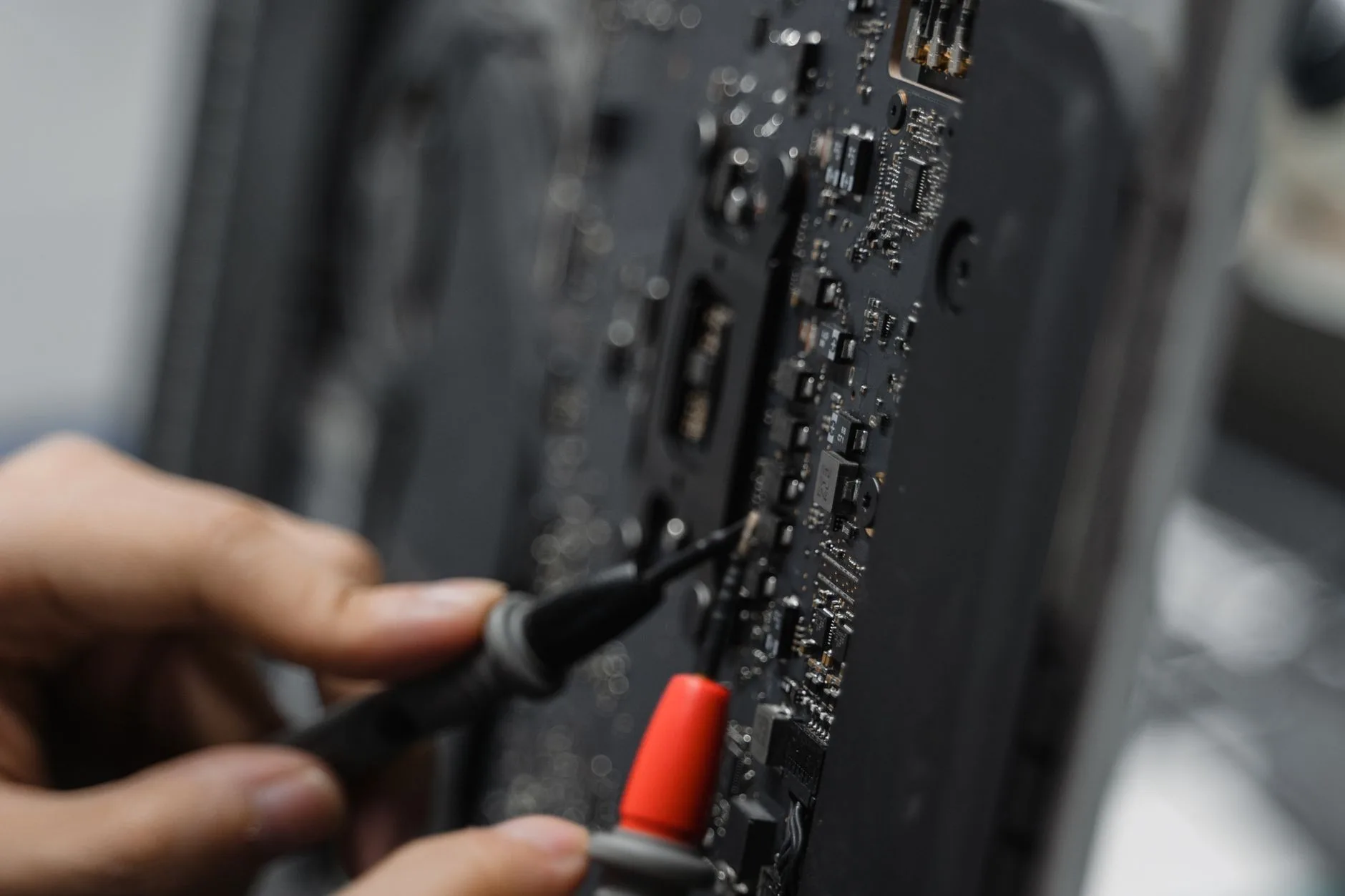
Imagine this: You’ve just finished a busy day navigating the vibrant chaos of Computer Village in Lagos, your phone slipping from your grip onto the unforgiving concrete. Screen shattered. Your digital life, now a mosaic of spiderweb cracks, needs urgent attention. The repair technician asks for your unlock code, stating it’s crucial for a ‘thorough diagnostic check.’ It’s a common request, often presented as standard procedure. But stopping to ponder the implications before you hand over that key to your digital world is one of the most critical privacy decisions you’ll make that day.
In our hyper-connected world, our smartphones are extensions of ourselves – repositories of our most intimate conversations, financial details, health records, and professional secrets. Handing over an unlock code is akin to giving a stranger the keys to your entire life. While the immediate need for a working device can cloud judgment, the privacy and security risks are profound. This article will walk you through what to check before giving a repair shop your unlock code, outlining the dangers and providing actionable safeguards to protect your digital footprint.
The Hidden Risks of Sharing Your Unlock Code
When a repair shop technician has your phone’s unlock code, they gain unfettered access to everything on your device. This isn’t just about fixing a screen; it’s about potential access to a treasure trove of personal and sensitive information. Here’s a closer look at what could go wrong:
- Data Theft and Exfiltration: Your photo gallery, WhatsApp chats, email archives, banking apps, and even saved passwords could be accessed and copied. Imagine personal photos, confidential business documents, or sensitive conversations falling into the wrong hands.
- Identity Theft and Fraud: With access to your PII (Personally Identifiable Information) like contact lists, government IDs stored as photos, and social media accounts, malicious actors could impersonate you, open fraudulent accounts, or orchestrate scams targeting your contacts.
- Malware and Spyware Installation: A rogue technician could secretly install malicious software that allows remote access to your device, monitors your activities, or exfiltrates data long after your phone is returned to you.
- Reputational Damage: Compromising photos or messages could be leaked or used for blackmail, severely damaging your personal and professional reputation.
- Access to Sensitive Work Data: If it’s a work phone or you handle sensitive client information, a breach could lead to significant compliance issues, data breach notifications, and severe penalties under regulations like the NDPA or GDPR.
A Real-World Scenario: The ‘Quick Fix’ That Became a Nightmare
Consider the case of a Lagos-based entrepreneur, ‘Aisha’, who took her smartphone for a battery replacement. The technician insisted on the unlock code to "test the new battery thoroughly under load." Trusting the technician, Aisha complied. A week later, she started receiving suspicious friend requests on social media from unknown profiles, followed by a ransom demand for private photos that had been on her phone. Her identity was compromised, and her trust shattered, all because of a seemingly innocuous request for an unlock code during a repair.
This isn’t an isolated incident. The prevalence of digital scams and data breaches globally underscores the heightened risk. According to a report by the Nigerian Data Protection Commission (NDPC), improper handling of personal data is a significant concern, highlighting the need for vigilance even in everyday scenarios like device repairs. The NDPC advocates for robust data protection practices, emphasizing that individuals and organizations share responsibility in safeguarding personal information.
"Every piece of personal data we share, even for a seemingly minor service, carries risk. Our phones are extensions of our lives, holding immense value to bad actors. It’s imperative that individuals exercise extreme caution and demand transparency from anyone requesting access to their devices." – Dr. Vincent Olatunji, National Commissioner, NDPC (paraphrased for context)
Essential Checks Before Giving a Repair Shop Your Unlock Code
Protecting your privacy doesn’t mean forgoing necessary repairs. It means being proactive and informed. Here’s a practical checklist of what to check before giving a repair shop your unlock code:
| Action Step | Details |
|---|---|
| 1. Back Up Your Data | Before giving your phone to anyone, perform a full backup of all essential data (photos, contacts, documents) to a cloud service or external drive. This ensures you retain your data even if the phone is wiped or lost. |
| 2. Factory Reset (If Possible) | If the repair doesn’t require access to your operating system (e.g., hardware-only fixes like screen replacement), consider a factory reset. This wipes all personal data. Re-setup your device later. |
| 3. Remove SIM & SD Cards | Your SIM card contains identifying information, and your SD card may hold sensitive files. Remove both before handing over the device. |
| 4. Utilize Guest Mode/User Profiles | Many Android phones offer a ‘Guest Mode’ or the ability to create secondary user profiles. Activate this and switch to it before handing over your phone. This limits access to your primary profile’s data. |
| 5. Provide Minimal Access | If an unlock code is absolutely required (e.g., to test a specific app function after a repair), ask if a temporary passcode can be used, or if you can remain present to unlock it for specific tests. Explore if they only need access to a specific app for testing. |
| 6. Question the Need | Politely ask why the unlock code is necessary. For many hardware repairs (e.g., charging port, speaker), full OS access isn’t strictly needed for the initial diagnosis. |
| 7. Choose Reputable Shops | Opt for authorized service centers or highly-rated, trusted repair shops with strong reviews and transparent privacy policies. Ask about their data handling procedures. |
| 8. Document Everything | Note down the repair shop’s name, the technician’s name, the agreed-upon repair, and any data access provided. |
| 9. Change Passwords Post-Repair | Once your device is back, change critical passwords (email, banking, social media) as a precautionary measure, especially if you had to provide the unlock code. |
| 10. Enable Find My Device Features | Ensure "Find My iPhone" or "Find My Device" is enabled before dropping off your phone, so you can track it if it goes missing. |
For businesses and compliance teams, this scenario extends beyond individual privacy. A compromised employee device can become a gateway for corporate data breaches, leading to significant financial losses, reputational damage, and non-compliance with data protection regulations. Implementing clear policies for employee device repair, mandating data backup, and using secure remote wipe capabilities are crucial steps. You can learn more about effective data protection strategies for your organization.
The Human Stakes: Why Your Unlock Code Matters
The stakes are intensely human. Your phone contains the narrative of your life – memories, connections, aspirations. A breach of this privacy can lead to profound emotional distress, financial ruin, and a sense of violation. It’s not just about data; it’s about dignity, trust, and peace of mind. Taking these precautionary steps means safeguarding not just your digital information, but your entire sense of security in an increasingly digital world. Understanding your rights and responsibilities under data protection laws is essential for both individuals and businesses.
Conclusion
The convenience of a quick phone repair should never come at the expense of your fundamental right to privacy and data security. Before you hastily give a repair shop your unlock code, remember the potential risks and arm yourself with the knowledge to protect your digital life. By asking the right questions, taking essential precautions, and choosing reputable services, you empower yourself to keep your personal data secure, ensuring that a simple repair doesn’t turn into a privacy nightmare. Your phone is a vault of personal information; always ensure you control who holds the key.