



Why Home CCTV Clips Shouldn’t Become Community Entertainment

Share
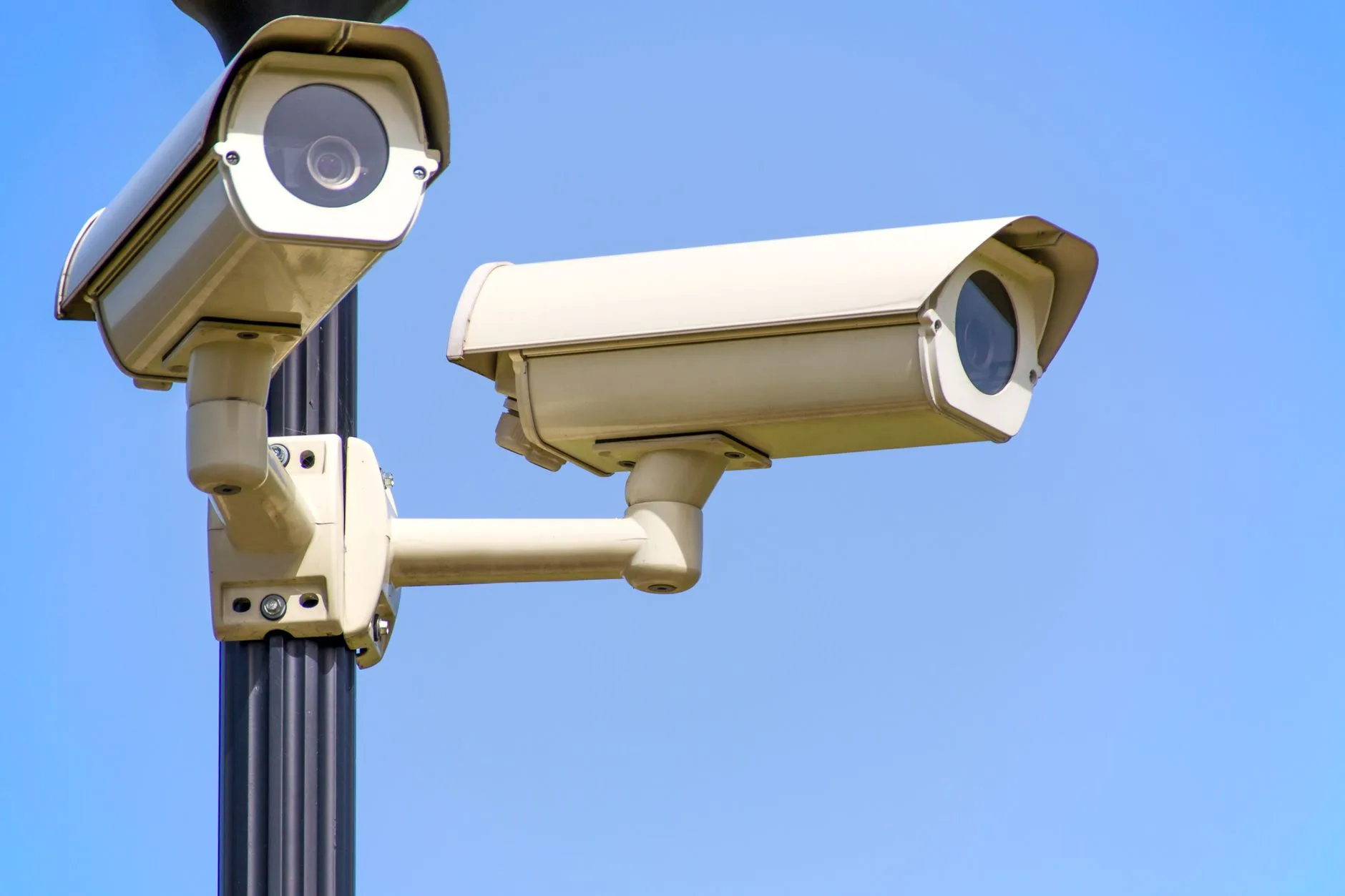
The Allure of Viral Surveillance Footage
In neighborhoods across Lagos, London, and New York, high-definition home security cameras have become standard fixtures. From smart doorbells capturing delivery drivers to wide-angle driveway lenses monitoring perimeter walls, these devices offer genuine peace of mind against burglary and trespassing. Yet, a troubling modern habit has emerged alongside this tech boom: the temptation to extract amusing, embarrassing, or dramatic snippets from private hard drives and publish them on public social media feeds for likes, retweets, and viral community entertainment.
When a homeowner pulls a clip of a neighbor slipping on a rainy driveway, a delivery worker misinterpreting a gate lock, or an intimate domestic argument caught on a porch camera, they often view it as harmless neighborhood gossip. In reality, treating home cctv clips shouldn become casual social media content crosses a serious legal and ethical line. Private surveillance is meant for safety and security, not public broadcast.
The Real-World Scenario: A Slip of the Tongue and a Viral Trap
Consider a common scenario. A delivery courier arrives at a residential gate in a gated estate. Due to poor signage and a malfunctioning intercom, the courier spends ten frustrated minutes trying to find the correct apartment, muttering in frustration and pacing outside the fence. The homeowner, watching from an office desk miles away via a mobile app, finds the frustration amusing.
Instead of deleting the footage or contacting the courier company privately, the homeowner trims the fifteen-second clip, adds a mocking caption, and drops it into a local WhatsApp community group. Within hours, the video is forwarded to Twitter and TikTok. By the next morning, the courier is identifiable by face and uniform, facing online mockery, employer disciplinary warnings, and profound personal humiliation. What started as a domestic security feed transformed into digital entertainment without the subject’s knowledge or consent.
Legal and Regulatory Realities
Surveillance laws are increasingly clear about the boundaries of private monitoring. Regulators worldwide, including bodies like the Nigeria Data Protection Commission (NDPC), enforce strict rules regarding how personal data, including video images, can be collected, stored, and shared. Under major data protection frameworks, an identifiable human image constitutes personal data.
When a private citizen installs a CCTV camera, an implicit legal exemption usually applies as long as the camera covers only their private property. However, the moment that camera captures public walkways or neighboring properties, and the owner begins broadcasting those recordings online, the legal status shifts. The homeowner often becomes an unregulated data controller who is unlawfully processing personal data without legal basis, consent, or legitimate public interest.
“Surveillance footage captured on private property is designed for defense, not public spectacle. Publishing identifiable individuals without consent strips them of their dignity and violates core data protection tenets.” – Dr. Amaka Okafor, Privacy Law Researcher.
Risks of Weaponizing Home Security Feeds
Unchecked sharing of home surveillance clips creates several severe risks for both the subjects captured on camera and the individuals hitting the share button.
- Reputational Damage: Innocent individuals caught in awkward moments face public ridicule, lost employment, and psychological distress.
- Security Vulnerabilities: Sharing clips often reveals home layouts, security blind spots, daily routines, and neighborhood entry points to malicious actors.
- Legal Liability: Homeowners who broadcast identifiable footage can face civil lawsuits for defamation, invasion of privacy, and regulatory fines under local data protection laws.
- Erosion of Community Trust: Neighbors become hesitant to visit or work in residential areas when they know every misstep might be recorded and streamed online.
Comparing Private Security vs. Public Broadcasting
| Feature | Private Security Use | Public Entertainment Use |
|---|---|---|
| Primary Intent | Deterrence and property protection | Viral engagement and entertainment |
| Legal Standing | Typically exempt under domestic use exceptions | Unlawful processing of personal data |
| Consent | Implied for basic visitor entry | Absent and explicitly violated |
| Outcome | Enhanced safety and incident review | Reputational harm and legal risk |
Safeguards and Best Practices for Homeowners
Responsible technology ownership requires balancing personal safety with respect for the privacy of others. Implementing robust digital hygiene ensures that security systems protect homes without infringing on human rights.
Property owners and tech users should adopt these practical habits:
- Restrict Camera Angles: Position lenses strictly toward your own doorways, driveways, and interior spaces. Avoid pointing lenses directly into neighbor windows or public thoroughfares.
- Disable Auto-Sharing Features: Turn off automatic cloud uploads to public community platforms. Keep footage encrypted and stored locally where possible.
- Establish Clear Internal Policies: If businesses or landlords use security cameras, ensure clear signage informs visitors that recording is active and restricted strictly to security review.
- Delete Regularly: Purge old footage automatically after a short retention window, such as seven to fourteen days, unless an active security incident requires preservation.
- Respect Human Dignity: Never export, clip, or distribute footage of visitors, delivery workers, or neighbors for social media engagement, no matter how amusing the incident appears.
Frequently Asked Questions
Is it illegal to record people outside my house?
Recording public spaces casually is often subject to strict local privacy laws. If your camera persistently captures public walkways and you publish or monetize that footage, you may be in violation of data protection statutes.
Can my employer use CCTV clips for social media memes?
No. Workplace monitoring is heavily regulated. Using employee footage for public entertainment without explicit consent violates employment contracts and privacy regulations.
What should I do if my image is shared without my consent from a private CCTV?
You have the right to request immediate removal of the content, report the post to the hosting platform for privacy violations, and consult a legal professional regarding potential defamation or privacy breaches.
Conclusion
Home surveillance technology exists to protect our families and property, not to supply content for the digital entertainment machine. When we capture awkward moments on our doorbells and rush to share them online, we trade human empathy and legal compliance for fleeting internet clout. By adopting strict data minimization habits, respecting the boundaries of our lenses, and treating our neighbors and visitors with dignity, we can maintain secure homes without compromising public trust.










