The Fake Restaurant Reservation Link That Collects Card Details

Share
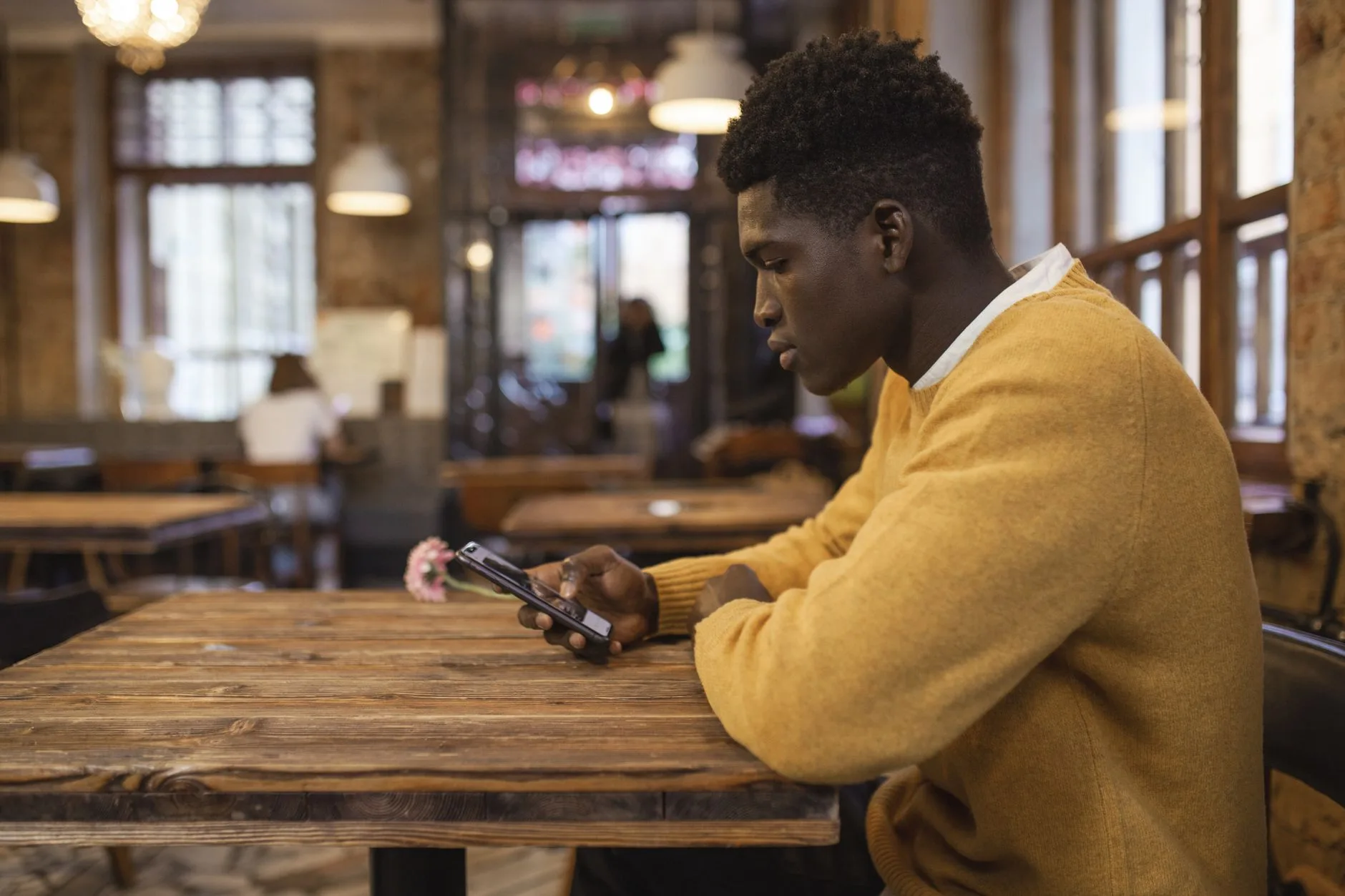
A Night Out That Costs More Than Dinner
Securing a table at a popular venue should be a straightforward task. Whether booking an intimate spot in Victoria Island, Lagos, a trendy bistro in London, or a bustling eatery in New York, the process typically starts online. Diners click a link, pick a time, and confirm. But convenience has drawn the attention of modern financial fraudsters. Today, a fake restaurant reservation link collects sensitive financial data, turning an ordinary weekend plan into an expensive security nightmare.
Cybercriminals now clone legitimate booking portals, social media pages, and search engine advertisements. They lure hungry patrons with promises of exclusive tables, special tasting menus, or mandatory deposit fees. Once the victim lands on the spoofed page, every keystroke goes straight to a criminal database. Understanding how these operations function is essential for protecting your personal data, corporate accounts, and hard-earned money.
The Anatomy of a Table Booking Scam
Fraudsters rely on social engineering and urgency. A typical attack unfolds across familiar channels. A user searches for a high-demand venue on social media or clicks a sponsored link on a search engine. The link leads to a polished replica of a reservation widget. Everything looks authentic, featuring high-resolution photos of food, accurate addresses, and plausible seating options.
The trap springs when the platform asks for a small deposit or card verification fee to hold the table. Victims willingly enter their credit card numbers, expiry dates, and three-digit CVV codes. In advanced variations, the page prompts users to enter a one-time password sent by their bank, handing complete control of the transaction over to the attacker.
According to reports from consumer protection agencies, financial fraud linked to spoofed service portals continues to cost individuals and businesses billions of dollars annually. For corporate teams booking client dinners, falling for these tricks can also compromise corporate expense accounts.
Real-World Scenario: The Birthday Dinner Mistake
Consider the experience of Ada, a marketing manager in Abuja organizing a milestone birthday celebration for her team. Eager to secure a booking at a newly opened upscale restaurant, she clicked a link from a sponsored social media post offering instant table confirmation.
The website requested a modest refundable deposit of five thousand naira to lock in the reservation. Ada entered her debit card details and awaited the confirmation email. Instead of a receipt, her phone buzzed with an alert for an unauthorized international wire transfer worth hundreds of thousands of naira. The reservation portal was entirely fraudulent, designed solely to harvest payment credentials.
Situations like this highlight why data protection habits must extend beyond corporate environments into everyday consumer interactions. When an unauthorized party captures your primary payment instrument, the fallout extends far beyond a single stolen transaction.
Warning Signs and Red Flags
Spotting a fraudulent booking platform requires vigilance. Attackers often rush their builds, leaving subtle clues behind. Reviewing the following indicators can help you avoid becoming a victim.
- Suspicious URL structures: The web address uses strange characters, misspelled restaurant names, or generic domain extensions instead of the official business domain.
- Pressure tactics: Pop-ups claim that only two tables remain, forcing hurried decision-making.
- Unusual payment methods: The site demands payment via cryptocurrency, gift cards, or obscure third-party processors rather than recognized, secure gateways.
- Lack of contact details: Legitimate venues provide clear phone numbers, physical addresses, and verifiable customer support channels.
Comparison of Legitimate vs Fake Booking Platforms
To help you distinguish genuine hospitality platforms from malicious setups, consider the following comparison table:
| Feature | Legitimate Platform | Fraudulent Setup |
|---|---|---|
| Domain Name | Matches official brand name or certified booking partner | Misspelled, randomized, or uses unrelated subdomains |
| Payment Gateway | Integrates known secure processors (Stripe, Paystack, Flutterwave) | Unknown or generic checkout forms with poor styling |
| Communication | Official email domain matching the venue | Free webmail accounts or automated generic notifications |
| Data Requests | Asks only for name, phone number, and basic seating preferences | Demands full card credentials, PINs, or banking passwords immediately |
Expert Insights on Digital Trust
Security analysts emphasize that fraudsters increasingly target the hospitality sector because people let their guard down when planning leisure activities. As noted by cybersecurity researchers, attackers exploit human emotions such as excitement and exclusivity to bypass standard digital skepticism.
Compliance teams and compliance frameworks emphasize that organizations must educate employees about personal cyber hygiene. When staff members use personal devices for work-related dining arrangements on unverified networks, they expose corporate networks to secondary risks.
Practical Safeguards for Everyday Users
While no system offers zero risk, you can significantly reduce your exposure by following structured safety habits:
- Go direct: Type the official website address of the restaurant directly into your browser rather than clicking links in ads or social media bios.
- Verify the channel: Check the restaurant’s verified social media pages for official booking links.
- Use virtual cards: Generate single-use or virtual payment cards with strict spending limits for online reservations.
- Monitor statements: Routinely review bank and credit card activity for unexpected charges.
- Report suspicious links: Notify local cybercrime authorities or consumer protection agencies when you encounter fraudulent domains.
Frequently Asked Questions
Why do fraudsters target restaurant reservations?
Restaurants often require credit card details to secure bookings against no-shows. Fraudsters exploit this standard industry practice to harvest valid payment card numbers for unauthorized transactions.
Can I get my money back if I fall for this scam?
Recovery depends on your bank and how quickly you report the incident. Contact your financial institution immediately to freeze the compromised card and dispute the fraudulent charge.
How can businesses protect their brand from being spoofed?
Restaurants should monitor domain registrations, use official verified channels for bookings, and actively warn customers about fake social media accounts impersonating their brand.
Conclusion
Convenience should never compromise security. Whether you are reserving a table for a family gathering or booking a corporate lunch, verifying the platform you use is essential. By understanding how a fake restaurant reservation link collects financial data and adopting proactive verification habits, you can protect your personal finances and navigate the digital world safely.