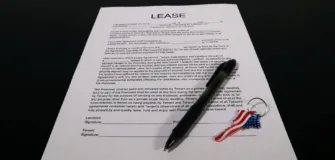
Why House Agents Ask for So Many Personal Documents and How to Protect Yourself

Share

The High Price of Renting: More Than Just a Deposit
Finding a new apartment in bustling urban centres like Lagos, London, or New York often feels like an extreme sport. Before you even secure a viewing, or immediately after an inspection, you are likely to find that house agents ask many personal documents. Beyond the standard proof of income and references, prospective tenants are frequently asked to hand over copies of international passports, national identity cards, bank statements, utility bills, and even employer identification numbers.
While landlords and property managers have a legitimate interest in verifying that a tenant can pay rent and will respect the property, the sheer volume of sensitive data requested often crosses the line into risky territory. In many cases, everyday apartment hunters hand over unmasked copies of identity documents through unsecured WhatsApp chats or unverified email addresses without thinking about where those files end up.
A Real-World Scenario: The Cost of Over-Sharing
Consider the experience of Ada, a creative professional searching for a two-bedroom flat. After finding an apartment through an online property listing, she contacted an agent who requested a comprehensive dossier before arranging a physical inspection. Eager to secure the flat quickly, Ada sent a PDF containing her international passport, bank statements showing her account balances, her tax identification number, and her current utility bill.
Two weeks later, the agent informed her that the apartment had been given to another applicant. Ada thought little of it until months later when she received notification of a loan application opened in her name using her exact passport copy and personal details. The agent had either stored her files insecurely on a compromised device or carelessly discarded physical printouts. This real-world scenario highlights how excessive document collection creates severe vulnerabilities for data subjects.
Why Do House Agents Ask for So Many Personal Documents?
To understand the root of the problem, it helps to look at the motivations behind these requests. Legitimate real estate agencies operate under strict compliance obligations and must perform due diligence to prevent fraud, money laundering, and rental defaults. However, the lack of standardized regulatory frameworks in many local rental markets means that individual agents often collect whatever data they want, with little accountability regarding how that data is stored or destroyed.
| Document Requested | Legitimate Purpose | Associated Risk if Mishandled |
|---|---|---|
| Bank Statements | Proving financial stability and regular income | Exposure of spending habits and account numbers |
| National ID / Passport | Verifying legal identity and background checks | Identity theft and fraudulent loan applications |
| Utility Bill | Confirming current residential address | Proof-of-address spoofing for financial fraud |
What Can Go Wrong When Data Is Left Unprotected?
When data protection principles are ignored by informal intermediaries, the risks to consumers multiply. Real estate agents are rarely cybersecurity experts. Documents sent via messaging apps or stored in personal cloud folders without encryption are prime targets for cybercriminals.
According to consumer protection agencies like the Federal Trade Commission, identity theft remains one of the most persistent consumer complaints globally. When bad actors gain access to high-fidelity identity documents, they can open bank accounts, register phone lines for illicit activities, or apply for digital credit facilities in the victim’s name.
“Convenience should never supersede security. When individuals hand over unmasked identification and financial records without verifying the recipient, they invite long-term digital and financial harm.” – Privacy and Compliance Expert
Realistic Safeguards for Apartment Hunters
You do not have to compromise your personal security just to find a place to live. By adopting a proactive privacy mindset, you can significantly reduce your exposure to risk:
- Verify the Agency: Always deal with registered, physical real estate firms rather than unverified social media handles or anonymous posters.
- Watermark Your Documents: Stamp digital copies of your passport or ID with a clear watermark stating the document is strictly for “Rental Verification – [Property Name] – [Date].”
- Redact Sensitive Information: Blur out account numbers, transaction histories, or specific identification numbers that the agent does not strictly need to verify your tenancy.
- Demand Data Deletion: Ask the agent or landlord in writing how long they retain your applicant data and request its deletion once the leasing process concludes.
- Secure Transmission Channels: Avoid sending raw files over unsecured chat apps where possible. Use encrypted email or password-protected archives when sharing sensitive financial records.
Navigating Compliance and Consumer Rights
As modern data privacy legislation—such as the Nigeria Data Protection Act (NDPA) and international standards—gains stronger enforcement, data collectors are legally required to practice data minimization. This means organizations should only collect personal data that is adequate, relevant, and limited to what is strictly necessary for the purpose.
For businesses and property platforms, compliance is no longer optional. Establishing secure document intake portals, limiting access to authorized staff members, and enforcing clear data retention schedules protect both the agency and the prospective tenant.
Frequently Asked Questions
Is it legal for house agents to ask for my passport?
Yes, agents can request identification to verify your legal identity and prevent fraud. However, they must store it securely and delete it when it is no longer needed.
How can I stop agents from misusing my financial documents?
Always redact non-essential information from bank statements, such as specific transaction descriptions or account numbers, while leaving your name and net income visible.
What should I do if my identity is compromised by an agent?
Report the incident to local law enforcement, notify your bank immediately to place fraud alerts on your accounts, and file a complaint with your national data protection authority.
Conclusion
The reality that house agents ask many personal documents is unlikely to disappear overnight, but your willingness to protect your digital footprint can make all the difference. By understanding the risks, practicing data minimization, and treating your personal records with the same care as your physical valuables, you can navigate the rental market securely without falling victim to preventable scams or identity theft.