When a Rental Application That Wants Your Social Media Accounts Crosses the Line

Share
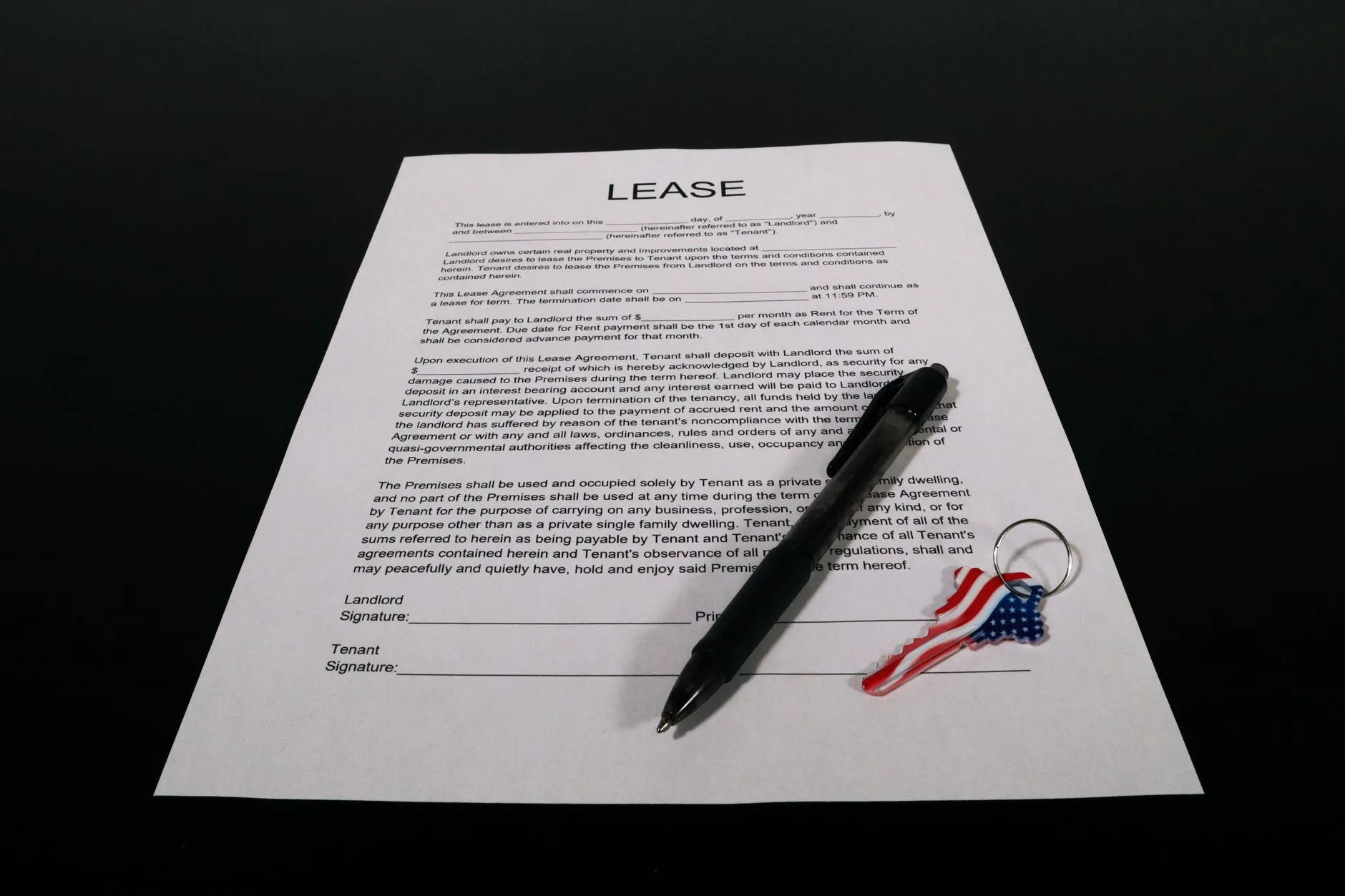
Finding a decent place to live in fast-growing urban centers from Lagos to London is already an exhausting ordeal. Prospective tenants regularly submit bank statements, employment letters, guarantor forms, and reference letters just to get a foot in the door. But a worrying new trend is creeping into tenant screening processes. Property managers and overzealous landlords are increasingly demanding access to applicant profiles, asking: What if a rental application wants your social media accounts?
While landlords have every right to verify whether you can pay rent on time and maintain a property, demanding your Instagram handle, Twitter feed, or Facebook password is a profound overreach. This practice turns a straightforward financial and background assessment into an intrusive digital audit, weaponising your personal life against your housing security.
The Real-World Scenario: Scrolling for an Apartment
Picture this: You find a well-located apartment that fits your budget. Excited, you fill out the digital onboarding form provided by the property agent. Alongside standard fields for your salary, tax identification number, and previous addresses, the form includes a mandatory text box labelled: “Provide links to all your active social media profiles or handle names.”
Fearing that leaving it blank will push your application to the bottom of the pile, you comply. Within hours, the landlord or leasing agent is browsing your holiday photos, reading your political opinions, evaluating your friendships, and scrutinising your lifestyle choices. An apartment approval should depend on your creditworthiness and references, not on whether a landlord approves of your weekend hobbies or online commentary.
This dynamic creates an inherent power imbalance. When housing is scarce, applicants feel they have no choice but to surrender their personal data protection rights just to secure a roof over their heads. This aggressive collection of extraneous personal information violates data minimization principles established in modern privacy frameworks worldwide.
What Could Go Wrong? The Hidden Dangers
Handing over your social media handles or connecting with landlords online exposes you to multiple layers of risk. Unlike formal credit checks regulated by consumer protection laws, social media profiling is entirely subjective and unregulated.
- Unconscious Bias and Discrimination: Landlords might form biased opinions based on race, religion, political affiliation, sexual orientation, or lifestyle choices visible on your feed, leading to unlawful housing discrimination.
- Security Vulnerabilities: Asking for direct logins or adding stranger accounts gives malicious actors a backdoor into your digital identity, raising serious compliance and cybersecurity concerns.
- Data Harvesting and Misuse: Information collected during a rental application is rarely deleted securely. It can be stored indefinitely on insecure spreadsheets, shared with third-party marketers, or exposed in future data leaks.
- Stalking and Harassment: Providing unfettered access to your personal digital footprint invites boundary violations, giving landlords intimate insight into your daily routines and personal relationships.
Evaluating Legitimate Screening vs. Overreach
It is vital to distinguish between standard tenant verification and invasive digital surveillance. Property managers require specific data to evaluate risk, but there is a clear legal and ethical boundary.
| Information Type | Standard & Legitimate | Invasive & Unlawful |
|---|---|---|
| Financial Data | Bank statements, employment letters | Full online banking login credentials |
| Identity Verification | Government-issued ID, utility bills | Biometric scans or password handovers |
| Background Checks | Credit history, previous landlord references | Social media handles, private messaging history |
According to consumer protection guidance from bodies like the Federal Trade Commission, the collection of consumer data must remain relevant, necessary, and proportionate to the specific transaction at hand. Scouring an applicant’s social media fails every test of proportionality.
Actionable Safeguards for Tenants
If you encounter a rental application that demands access to your online life, you do not have to roll over. Protect your digital boundaries with these practical steps:
- Audit the Form: Check if the social media field is marked as optional. If it is not mandatory, simply skip it.
- Push Back Politely: Ask the agent in writing why social media data is required for a tenancy evaluation and point out that you are happy to provide traditional financial guarantees.
- Harden Your Privacy Settings: Set all personal social media profiles to private as a default habit, ensuring strangers cannot view your posts.
- Separate Professional and Personal: If you must share a link, point them strictly to a professional portfolio or a business LinkedIn profile rather than your personal Instagram or TikTok.
- Report Violations: If a housing provider demands private account access or uses harvested data to discriminate, report them to local data protection authorities or housing regulators.
“Housing is a fundamental human need, not a digital trade-off. Forcing applicants to unlock their private lives to secure shelter exploits power imbalances and violates the core tenets of data privacy.” — Digital Rights Researcher
Frequently Asked Questions
Can a landlord legally ask for my social media profiles?
While laws vary by region, asking for social media profiles generally skirts close to discriminatory practices. If that data is used to reject an applicant based on protected characteristics like race, religion, or political views, it can form the basis of a legal challenge.
What should I do if my application is rejected after refusing to share social media?
Document all communications with the landlord or agent. If you suspect discrimination or unlawful data harvesting, consult a local legal aid organization or file a complaint with your national data protection commission.
Conclusion
Your online presence belongs to you, not your future landlord. When a rental application wants your social media accounts, it is treating your personal life as public property and stripping away your digital dignity. By recognizing the warning signs, knowing your rights, and pushing back against unwarranted surveillance, you can protect your personal data while still finding a safe place to call home.