



The Address Hidden in a Package Photo You Posted Online

Share
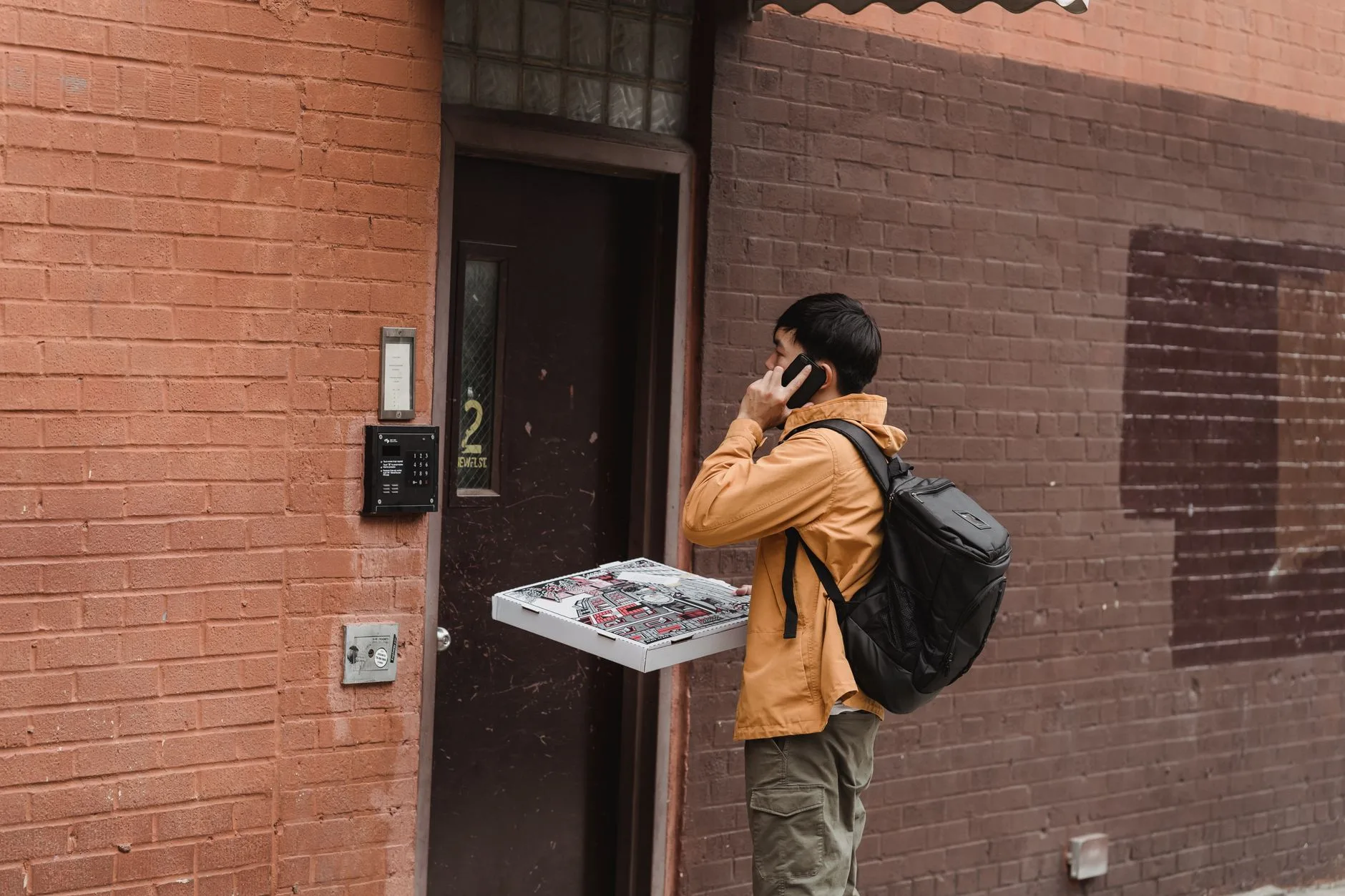
The Unboxing Ritual That Leaks Your Front Door
It starts with innocent excitement. A sleek cardboard box arrives at your desk or front porch in Lagos, London, or New York. Inside is the gadget, book, or luxury item you waited days to receive. Eager to share your joy, you snap a quick photo, add a witty caption, and post it to Instagram, X, or LinkedIn. Within minutes, likes roll in. But hidden in plain sight on that glossy shipping label is a complete breakdown of your physical privacy.
Every day, millions of internet users forget that an address hidden in a package photo posted online is rarely hidden at all. While you see a joyful moment of consumer gratification, cybercriminals, scammers, and malicious stalkers see a treasure trove of personally identifiable information. Understanding how a simple shipping label turns into a security liability is essential for anyone navigating modern data protection principles in their personal lives.
Anatomy of a Shipping Label Risk
Modern delivery slips carry far more than just a name and street number. Logistics companies rely on dense barcodes, QR codes, tracking numbers, and routing codes to move parcels across global supply chains. When you photograph a package, your smartphone camera captures these details in high definition.
Data privacy researchers and cybersecurity analysts frequently warn that modern image resolution allows bad actors to zoom in on shipping labels with terrifying clarity. What appears to be an unreadable blur to the naked eye can often be enhanced, or worse, translated directly through automated scanning tools.
What a Delivery Label Exposes
- Full Legal Name: Confirms who lives or works at the specific location.
- Exact Street Address: Pinpoints your physical residence or office building.
- Phone Number: Gives attackers a direct line to your mobile device for vishing or smishing attacks.
- Order History Clues: Retailer names reveal your purchasing habits, lifestyle, and potential disposable income.
A Realistic Scenario: From Social Media Post to Physical Risk
Consider the case of Chidi, a fintech product manager living in a residential suburb. Excited about receiving a high-end mechanical keyboard, Chidi posted a picture of the delivery box on his professional network, celebrating his new home office setup. He deliberately avoided showing his street name in the caption, believing he had kept his location safe.
However, Chidi failed to notice that the delivery slip clearly displayed his house number and estate name. A digital fraudster scraped the image, matched the estate name with Chidi’s public employment profile, and gathered his phone number from an old public directory. Within a week, Chidi received a targeted WhatsApp scam message pretending to be his local courier service, demanding a small clearance fee for a supposed international package. Because the scammer referenced his recent delivery accurately, Chidi nearly fell victim to the trap.
This scenario highlights why regulatory bodies and privacy advocates emphasize operational security in everyday habits. As noted by digital safety guidelines from consumer protection agencies, physical document exposure remains one of the easiest offline entry points for online criminals.
Comparing Risks: Digital vs. Physical Exposure
When discussing privacy, people often focus exclusively on database leaks and hacked passwords. However, offline data leaks via physical objects carry distinct and immediate dangers.
| Exposure Type | Typical Source | Immediate Risk |
|---|---|---|
| Digital Data Breach | Compromised corporate server | Credential stuffing, financial fraud |
| Physical Label Leak | Package photo posted online | Stalking, targeted scams, physical burglary |
| Metadata Leak | Unstripped photo EXIF data | Exact GPS coordinates of where the photo was taken |
Practical Safeguards for Everyday Sharing
You do not have to stop sharing your life online, but you must change how you handle physical mail and packaging before it crosses your camera lens. Cybersecurity best practices require treating every shipping container as sensitive information until it is properly destroyed.
Your Checklist for Secure Unboxing
- Peel and Shred: Always peel off shipping labels entirely before throwing boxes away or photographing items near them.
- Digital Masking: If you must share a product photo, use a heavy markup tool to completely obscure names, barcodes, and addresses. Better yet, crop the box out entirely.
- Check EXIF Metadata: Ensure your phone camera settings do not embed precise GPS coordinates into your image files.
- Educate Your Household: Ensure family members and colleagues understand that sharing parcel photos can compromise home safety.
As compliance professionals often note, data governance is not just an enterprise obligation; it is a lifestyle mindset. For organizations building robust security frameworks, extending awareness training to cover employee social media habits is a crucial element of internal compliance and risk mitigation.
Frequently Asked Questions
Can people really read a shipping label from an Instagram photo?
Yes. High-megapixel smartphone cameras capture immense detail. Combined with basic image enhancement tools or high-resolution zoom, attackers can easily read standard courier fonts.
Does turning off location services protect me?
Turning off location services removes EXIF GPS coordinates from your image file, but it does not hide visual text printed directly onto a physical shipping label visible in the frame.
What should I do if I already posted a photo containing my address?
Delete the post immediately. Monitor your accounts for unusual communication, and be extra vigilant against targeted phishing messages referencing deliveries.
Conclusion
The boundary between our physical lives and digital footprints is thinner than ever. A moment of innocent pride over an online purchase should never compromise your personal safety or invite unwanted intrusion. By recognizing that an address hidden in a package photo posted online is an illusion, you can take simple, proactive steps to keep your private life where it belongs: private.










