



Could More Parental Controls Push Teens Toward Secret Accounts?

Share
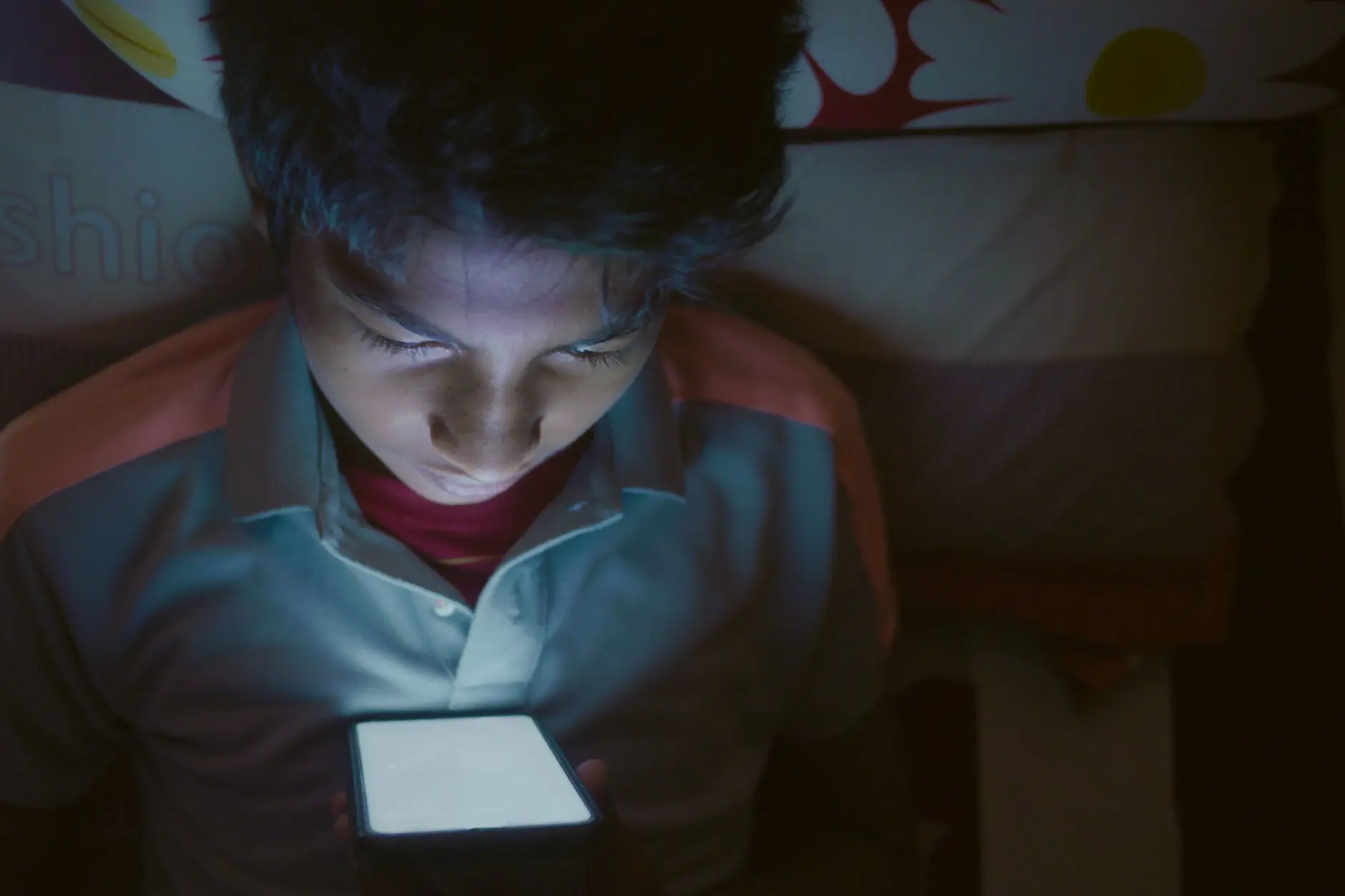
Imagine a middle-class family in Ikeja, Lagos. A parent, deeply concerned about the rising tide of online scams and inappropriate content, installs the latest high-end parental monitoring software on their teenager’s smartphone. They feel a sense of relief, believing they have successfully secured their child’s digital perimeter. But while the parent sees a locked-down device, the teenager is already planning how to use a friend’s tablet or a second, unmonitored SIM card to maintain their digital life in the shadows.
This scenario is increasingly common across the globe. As parents and educators grapple with the complexities of the internet, a critical question emerges: could more parental controls push teenagers toward even more dangerous, unmonitored behaviors? The answer, according to many digital safety experts, is a resounding yes. This phenomenon is creating a “shadow digital life” that is far more difficult to manage than a completely open one.
The Paradox: Could More Parental Controls Push Teens Into the Shadows?
The tension between safety and autonomy is not new, but the digital age has amplified it. When digital boundaries are perceived as overly restrictive or purely punitive, teenagers often experience what psychologists call “reactance.” Reactance is the motivational state that occurs when people feel their freedom of choice is being threatened, leading them to perform the very behaviors they were told to avoid in order to regain a sense of control.
In the digital realm, this manifests as the creation of “finstas” (fake Instagram accounts), secondary Snapchat profiles, or the use of encrypted messaging apps that bypass standard monitoring. While a parent may believe they are fulfilling their duty of care through surveillance, they may inadvertently be stripping away the very visibility required to protect their child. When a teen moves from a monitored device to a secret one, the parent loses all ability to intervene in cases of cyberbullying, grooming, or exposure to harmful content.
The Rise of the “Shadow Account”
The danger of these secret accounts lies in their invisibility. Traditional parental controls focus on the hardware or the network level—blocking specific apps or setting time limits. However, they rarely account for the ingenuity of a teenager who knows how to use a VPN, a web-based browser on a school device, or a secondary account on a peer’s phone. These “shadow accounts” allow teens to engage in social media activities without any oversight, effectively removing the guardrails intended to keep them safe.
| Feature | Strict Surveillance Model | Digital Mentorship Model |
|---|---|---|
| Primary Method | Monitoring apps and hard blockers | Open dialogue and guided exploration |
| Teen Response | Evasion, secrecy, and shadow accounts | Learning boundaries and digital literacy |
| Risk Visibility | High for monitored apps; Zero for secret apps | High for all digital interactions |
| Long-term Goal | Short-term restriction of behavior | Lifelong digital resilience and safety |
A Real-Life Scenario: The Abuja Case Study
Consider the case of Amara, a 14-year-old living in Abuja. After her parents implemented strict router-level blocking to prevent her from accessing social media, Amara did not stop using the internet. Instead, she began accessing social platforms via a web browser on her school laptop using a free VPN service. Because she was no longer using the “monitored” apps on her phone, her parents had no idea she was interacting with strangers in online gaming communities. This lack of visibility left her vulnerable to social engineering tactics that she was not yet equipped to recognize. Amara’s experience illustrates that the question of whether could more parental controls push teens toward secrecy is not theoretical; it is a practical risk to their safety.
“The goal of digital parenting should be to transition from a supervisor to a consultant,” says a leading researcher in digital safety. “If you only act as a warden, you lose the ability to guide when the real threats—the ones you didn’t block—inevitably appear.”
Understanding the nuances of data protection and digital rights is essential for both parents and tech developers. We must recognize that privacy is a fundamental developmental need for adolescents, and suppressing it entirely can be counterproductive to their safety.
Why Surveillance Alone Fails the Safety Test
There are three primary reasons why heavy-handed controls often fail to achieve their intended purpose:
- The Visibility Gap: As mentioned, the more restrictive the environment, the more likely a user is to find a workaround. This creates a massive gap in visibility where the most high-risk behaviors occur.
- The Erosion of Trust: Digital safety relies heavily on the relationship between the child and the caregiver. When a child feels constantly watched, they are less likely to come to their parents when they encounter a genuine problem, such as an online predator or a bullying incident.
- Lack of Skill Development: Blocking content does not teach a child how to evaluate content. A teenager who has never had to navigate a difficult social situation online is ill-prepared when they eventually encounter one in an unmonitored space.
For technology companies and compliance teams, this highlights the need for “safety by design.” Instead of just building tools for surveillance, platforms must build tools that facilitate healthy boundaries and easy reporting mechanisms, aligning family digital policies with broader compliance and safety standards.
Practical Steps: Moving from Control to Mentorship
Rather than relying solely on technical blocks, experts suggest a model of “co-regulation.” This involves setting clear expectations and working with the teenager to navigate the digital world. As noted by the Family Online Safety Institute, proactive engagement is often more effective than reactive monitoring.
- Establish a Digital Contract: Sit down with your teen and agree on rules regarding screen time, app usage, and privacy settings. This makes the rules a mutual agreement rather than an imposition.
- Focus on “Why,” Not Just “No”: Instead of simply blocking a site, explain the specific risks associated with it. This builds the critical thinking skills necessary for long-term safety.
- Encourage Open Reporting: Make it clear that if they encounter something uncomfortable or scary, they can come to you without the immediate fear of having their device confiscated.
- Model Healthy Behavior: Teenagers are highly observant. If you are constantly on your phone during dinner, they will perceive your digital rules as hypocritical.
Frequently Asked Questions
Are monitoring apps effective?
They can be useful for tracking time usage or preventing accidental access to specific content, but they are not a substitute for communication. They are easily bypassed by tech-savvy teenagers.
How do I know if my teen has a secret account?
Look for behavioral changes: sudden secrecy around devices, increased use of a peer’s device, or unexplained shifts in mood after being online. However, direct conversation is always more effective than digital detective work.
Conclusion
The digital landscape is changing too quickly for any single piece of software to provide absolute security. While parental controls have their place in setting basic boundaries, we must address the core issue: could more parental controls push teens into a digital darkness where they are truly alone? By shifting our focus from total surveillance to digital mentorship, we can help teenagers build the resilience and literacy they need to navigate the internet safely, both now and in the future.

















Leave a Reply