That Delivery Failed Text Wants More Than Your Address

Share
The Familiar Ping of an Urgent Delivery
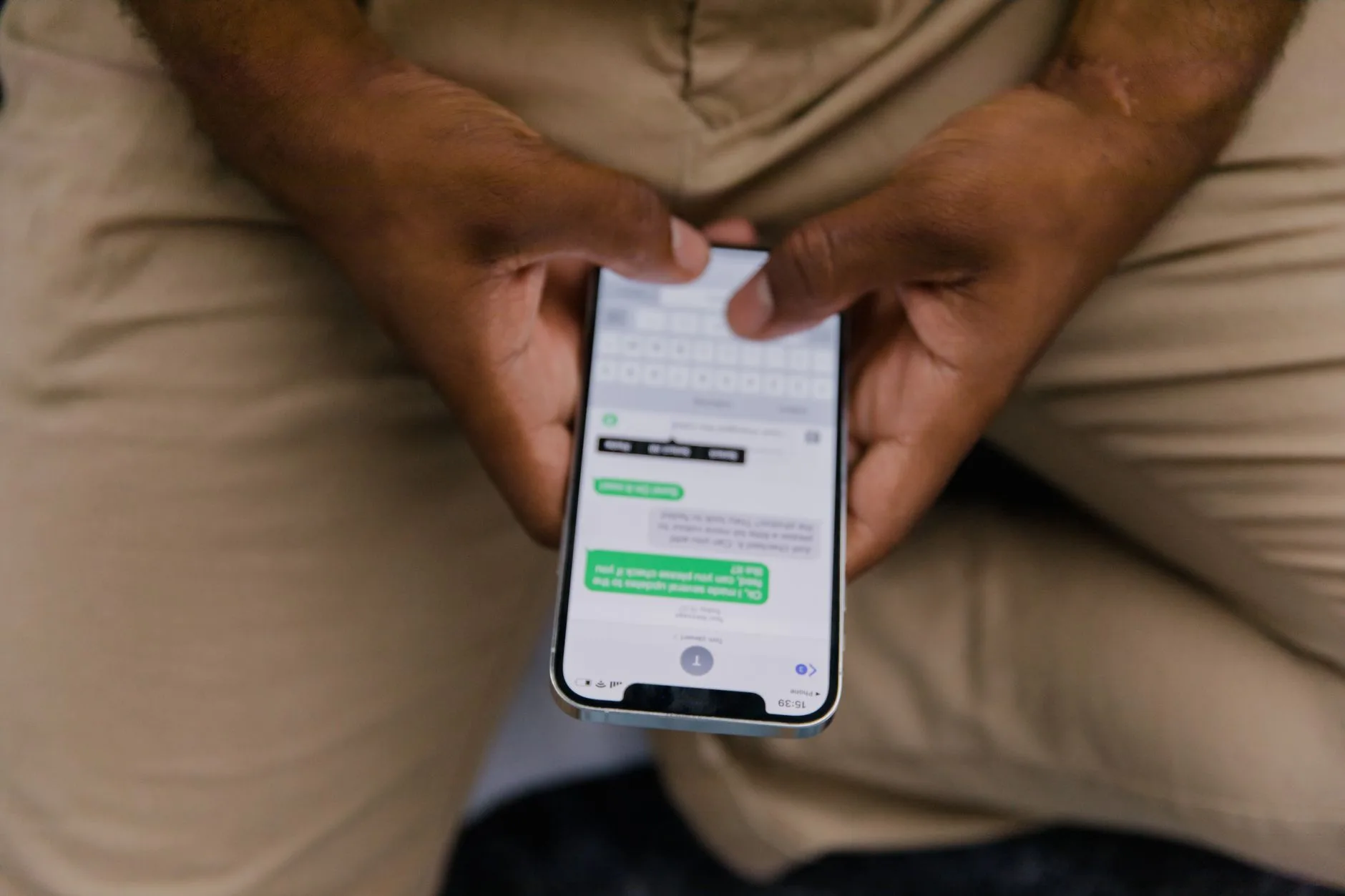
Your phone buzzes. The screen lights up with a concise, urgent notification: Delivery failed because the street address is incomplete. Please update your details immediately to avoid return to sender. A neat, shortened web link sits right at the bottom, mimicking major logistics companies like DHL, FedEx, or local couriers operating across Lagos, London, or New York. In a world where ordering online is second nature, this scenario plays out thousands of times every day.
It feels mundane. You are expecting an order, or perhaps you run a small business and receive packages weekly. Without thinking, you tap the link. That moment of casual distraction is precisely what modern cybercriminals bank on. That delivery failed text wants more than your address; it wants access to your digital identity, your financial accounts, and your personal data.
Anatomy of a Logistics Phishing Trap
Cybercrime syndicates have evolved far beyond poorly spelled emails from foreign princes. Today’s social engineering campaigns are polished, localized, and contextually aware. When a victim clicks the link in a fraudulent delivery notification, they land on a meticulously cloned replica of a legitimate shipping portal.
The page asks for basic verification. First comes the address correction. Then, to make the scam believable, the system requests a nominal redelivery fee. This is where the trap snaps shut. Once you input your debit card details, CVV, and mobile banking PIN or one-time password, the attackers gain immediate access to your funds. Furthermore, the information harvested on these rogue portals feeds into broader identity theft rings, compromising your data protection posture.
| What They Ask For | What They Actually Do With It |
|---|---|
| Street Address & Phone Number | Builds a personal profile for targeted social engineering and future scams. |
| Small Redelivery Fee (e.g., $2 or 500 Naira) | Captures credit or debit card primary account numbers and security codes. |
| Banking OTP or App Credentials | Authorizes unauthorized fund transfers and drains bank accounts. |
As the Nigerian Communications Commission and global consumer protection bodies frequently warn, threat actors weaponize everyday digital conveniences against unsuspecting citizens. The Nigerian Data Protection Commission (NDPC) continues to stress that citizens must remain vigilant about how and where they share personal identifiers online.
Real-World Stakes for Individuals and Businesses
The impact of falling victim to a smishing, or SMS phishing, attack extends far beyond a stolen delivery fee. For an everyday consumer, losing a month of savings to a fraudulent logistics portal causes immediate financial distress. Recovering funds through traditional banking dispute mechanisms can take weeks or months, with no guaranteed recovery.
For professionals working remotely or business leaders, the stakes scale exponentially. If a corporate mobile phone or a personal device used for work receives the text and the user inputs corporate credentials or connects to a corporate VPN afterward, malware can infiltrate corporate networks. According to global threat reports from organizations like the Federal Trade Commission, text message scams account for billions of dollars in consumer losses annually, outstripping traditional email phishing in conversion speed.
Dr. Kemi Adebayo, a cybersecurity researcher specializing in African digital economies, notes: "Attackers exploit the psychological pressure of missing a parcel. By manufacturing a false sense of urgency, they bypass rational security instincts. People who would never share a bank PIN on the phone will readily type it into a fake shipping form because the context feels familiar."
Warning Signs of a Fake Delivery Alert
Spotting fraudulent messages requires moving past the slick branding and examining structural clues. Keep these warning signs in mind:
- Generic Senders: Legitimate couriers typically use official sender IDs or short codes, not standard mobile phone numbers or obscure web domains.
- Urgency and Fear: Phrases like ‘Action Required within 24 hours’ or ‘Package will be destroyed’ are designed to trigger panic rather than thoughtful analysis.
- Unsolicited Links: Real delivery updates instruct you to open your official app or visit the known corporate website directly, rather than clicking a direct hyperlink in an SMS.
- Micro-Payments: Major couriers rarely demand small supplementary fees via unsecured third-party web forms for standard delivery corrections.
Practical Safeguards and Action Steps
Mitigating the risk of logistics scams requires a combination of behavioral awareness and technical hygiene. You do not need zero risk, but you do need robust defenses.
- Verify Independently: If you receive a text about a failed delivery, do not click the link. Open the official app of the courier company you actually ordered from or check your tracking number on their verified website.
- Enable Device Protections: Modern smartphones feature built-in spam filtering and malicious link detection. Keep your operating system and security software updated.
- Educate Your Household and Team: Share scam awareness with family members, aging parents, and junior colleagues who might process deliveries for the household or office.
- Monitor Financial Statements: Regularly check your bank and card statements for unauthorized charges, no matter how small.
Conclusion
The next time an urgent text pings your phone claiming your package is stuck in transit, pause before you tap. Remember that that delivery failed text wants more than your address; it is fishing for your financial livelihood and personal privacy. By treating unsolicited links with skepticism, verifying through official channels, and maintaining strict digital hygiene, you can keep your data and your money out of the hands of cybercriminals.