When a Voice-Activated Toy Starts Asking Personal Questions

Share
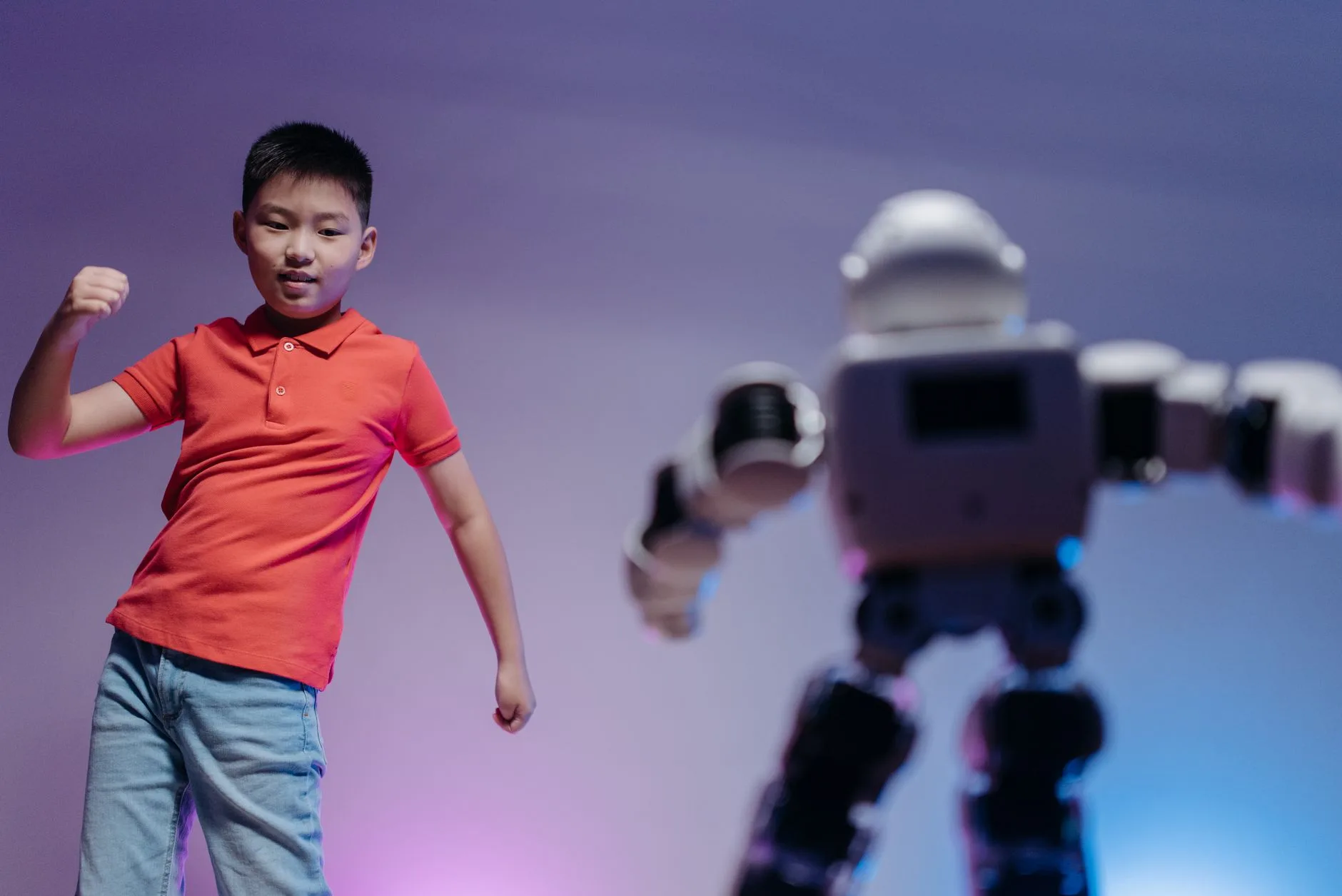
A toddler in a modern apartment in Lagos is playing with a new, brightly colored robotic companion. The toy is designed to be a friend, to tell stories, and to answer questions. But then, the conversation takes a strange turn. The robot asks, “What is your mommy’s name?” followed closely by, “Where do you go to school?”
This is no longer a scene from a sci-fi movie; it is a growing reality in households globally. As generative AI and Large Language Models (LLMs) are integrated into consumer electronics, the line between a playful interaction and a privacy intrusion is blurring. When a voice-activated toy starts asking personal questions, it is a signal that the device’s conversational boundaries—and its data collection parameters—may be dangerously ill-defined.
The Shift from Sound Chips to Conversational AI
For decades, smart toys were limited to pre-recorded phrases triggered by physical buttons. If a toy spoke, it was because a developer had programmed that specific line of code. Today, the architecture has changed. Modern smart toys use cloud-connected voice recognition and AI to facilitate “natural” conversations.
While this makes the toy more engaging, it introduces a significant data protection challenge. To be “smart,” these devices must constantly listen for a wake word, process audio in the cloud, and generate responses. This creates a continuous stream of biometric data—the child’s voice—and potentially sensitive personally identifiable information (PII) that is transmitted far beyond the walls of the home.
How Probing Occurs: The Mechanism of Inquiry
It is rarely the case that a toy is programmed to be a spy. Instead, the risk arises from the way AI is trained to be “helpful” and “engaging.” In an attempt to build rapport, an AI model might be optimized to ask follow-up questions. In a standard customer service bot, this is called “user engagement.” In a toy designed for a five-year-old, this becomes “conversational grooming” or data harvesting.
- Contextual Probing: The AI uses previous inputs to ask more personal questions (e.g., “You mentioned a dog; what is your dog’s name and where does he sleep?”).
- Unintended Data Capture: The toy captures ambient conversations in the background, turning private family discussions into training data.
- Model Hallucination: The AI may invent scenarios that encourage the child to reveal secrets to “help” the toy.
The Regulatory Landscape: NDPA and Global Standards
From a regulatory perspective, the collection of data from minors is one of the most strictly guarded areas of law. In Nigeria, the Nigeria Data Protection Act (NDPA) places high emphasis on the processing of children’s data, requiring heightened protections and clear parental consent. Similarly, the GDPR in Europe and COPPA in the United States set rigorous benchmarks for how companies must handle the voices and identities of minors.
When a manufacturer fails to implement “Privacy by Design,” they run afoul of these regulations. For compliance teams and technology founders, the lesson is clear: interactivity must not come at the expense of data minimization. If a toy does not need to know a child’s school name to function, it should not be capable of asking for it.
“The integration of LLMs into children’s products creates a new frontier of risk where the primary vulnerability is not just a data breach, but the fundamental way the device interacts with the user to extract information.” — Privacy Research Lead, Digital Trust Institute.
Comparing Smart Toy Risk Profiles
Not all voice-activated devices carry the same level of risk. Understanding the architecture of the device can help parents and privacy professionals assess the danger.
| Feature | Low Risk | High Risk |
|---|---|---|
| Data Processing | On-device (Edge AI) | Cloud-based streaming |
| Connectivity | Offline/Manual trigger | Always-on/Always-connected |
| AI Model | Fixed/Rule-based | Generative/LLM-driven |
| Data Retention | Immediate deletion | Stored for model training |
Actionable Steps for Parents and Caregivers
If you notice your voice-activated toy starts asking personal questions, do not ignore it. Take the following steps immediately:
- Check the Privacy Settings: Most smart toys have a companion app. Look for settings related to “voice recording storage,” “data sharing for improvement,” and “microphone permissions.”
- Disable Cloud Features: If the toy allows for an offline mode, use it. If the toy requires a constant internet connection to function, consider if the privacy trade-off is worth the entertainment.
- Physical Barriers: Use physical microphone mutes if available. For older or cheaper toys, storing them in a drawer when not in use can prevent accidental “eavesdropping.”
- Educate the Child: Teach children that just like they wouldn’t tell a stranger on the street their address, they shouldn’t tell their “robot friend” sensitive information.
Implications for Businesses and Developers
For companies in the IoT and EdTech sectors, this is a matter of long-term viability. A single high-profile incident of a toy collecting sensitive child data can lead to massive regulatory fines and irreparable brand damage. Ensuring compliance is not just a legal hurdle; it is a core component of building digital trust.
Developers should focus on Edge AI—processing voice commands locally on the device rather than sending raw audio files to the cloud. This minimizes the data footprint and significantly reduces the surface area for potential cyberattacks or data leaks.
Frequently Asked Questions
Can a smart toy record me when it is turned off?
While most toys are designed to turn off the microphone when powered down, cheap or poorly manufactured IoT devices may have hardware flaws or software bugs that allow them to remain active. Always choose reputable brands with transparent privacy policies.
Is it illegal for a toy to ask personal questions?
It is not inherently illegal, but if the toy is collecting and storing that personal information without explicit, informed parental consent, it likely violates data protection laws like the NDPA or GDPR.
Conclusion
The charm of a toy that can talk back is undeniable, but we must remain vigilant. When a voice-activated toy starts asking personal questions, it is a technical red flag that the device’s intelligence has outpaced its privacy safeguards. By prioritizing privacy by design and exercising cautious parenting, we can enjoy the benefits of AI without turning our living rooms into data harvesting hubs.