



Should a Relationship End When Someone Installs a Tracking App?

Share
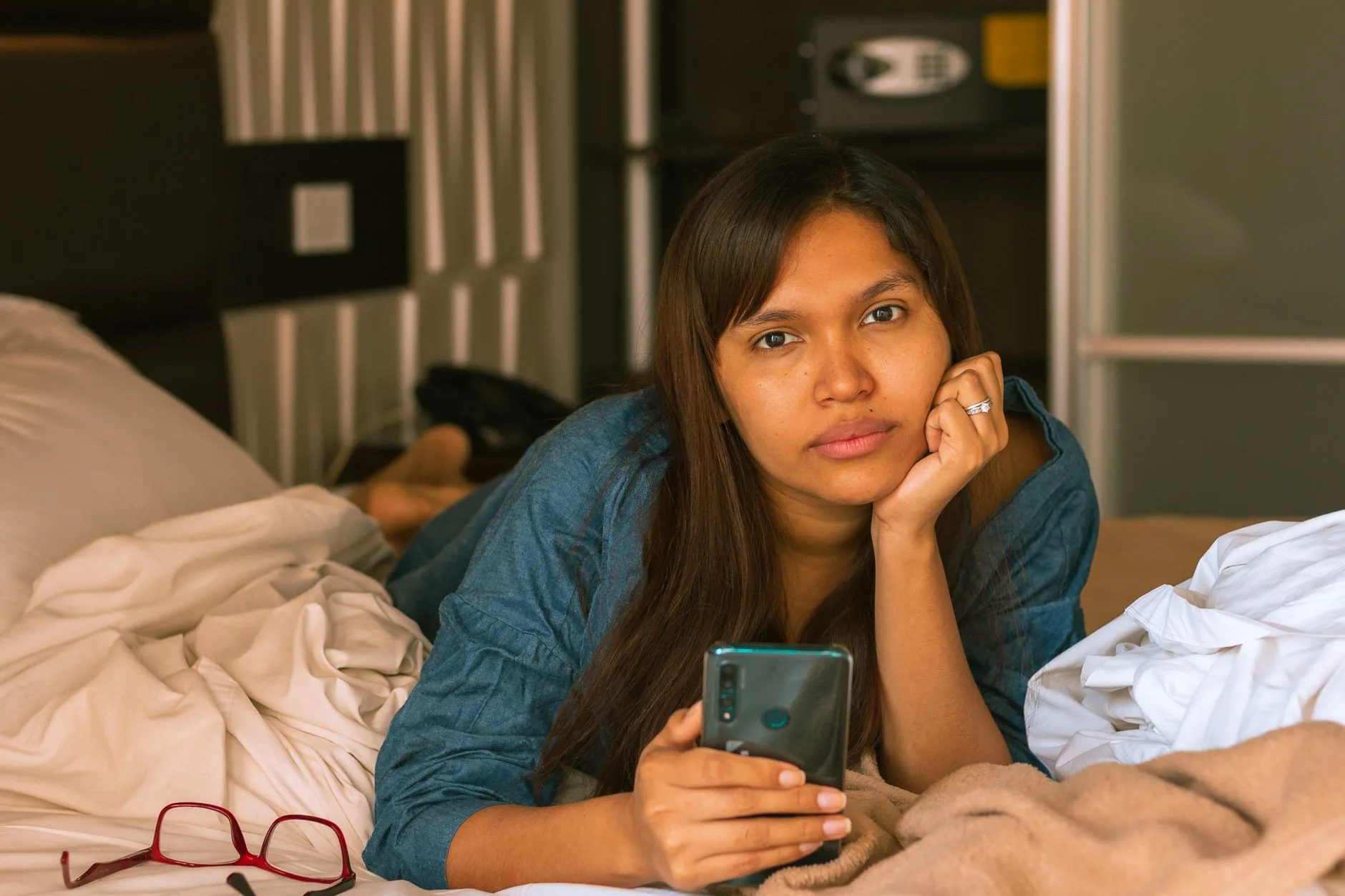
In many modern relationships, the “digital shadow” follows you everywhere. In bustling cities like Lagos or London, the convenience of location sharing is often touted as a safety feature. You might share your live location with a partner so they know you arrived home safely after a late shift. But there is a dark side: when “checking in” morphs into constant, covert surveillance. When a partner installs a tracking app without your knowledge, the question isn’t just about trust—it is about a fundamental breach of digital autonomy.
The Fine Line Between Safety and Surveillance
To determine if a relationship end someone installs tracking is the logical conclusion, we must first distinguish between consensual safety tools and malicious stalkerware. There is a profound psychological and legal difference between these two categories.
1. Consensual Safety Tools
Safety tools are used with explicit, ongoing consent. Examples include Google Maps location sharing, Apple’s “Find My” feature, or WhatsApp live location. These are transparent; both parties know the feature is active, how it works, and how to turn it off. In these scenarios, the goal is mutual protection.
2. Stalkerware and Spyware
Stalkerware is software specifically designed to hide its presence. It is often disguised as a legitimate utility, such as a battery saver, a system update, or a parental control app. Unlike safety tools, stalkerware is installed surreptitiously to monitor messages, calls, GPS location, and even camera activity. This is not a safety measure; it is a tool of digital coercive control.
| Feature | Safety/Consent Tools | Surveillance/Stalkerware |
|---|---|---|
| Consent | Explicit, informed, and ongoing | Secret, coerced, or non-existent |
| Visibility | App is visible and known to both | Hidden or disguised as a system tool |
| Purpose | Mutual safety and emergency aid | Control, monitoring, and intimidation |
| Access | Both parties have visibility/control | One-sided, secret access |
The Privacy Perspective: A Breach of Digital Autonomy
From a data protection standpoint, installing a tracking app on another adult’s device without their consent is a severe violation of privacy. In many jurisdictions, including under the framework of the Nigeria Data Protection Act (NDPA), processing personal data (such as real-time location) requires a lawful basis. Secretly monitoring a partner fails almost every test of lawful processing: there is no consent, no transparency, and no legitimate interest that overrides the individual’s right to privacy.
When a partner bypasses your device security to install monitoring software, they are not just breaking a rule of engagement in your relationship; they are committing a technical breach of your personal data security. Understanding your fundamental data protection rights is the first step in recognizing that this behavior is an intrusion, not an act of love.
Case Study: The Case of Amina and Segun
Amina, a freelance designer in Lagos, noticed her phone battery was draining significantly faster than usual. She also noticed her phone felt uncharacteristically warm even when she wasn’t using it. Suspecting a technical glitch, she ran a security scan and discovered a hidden application that had been transmitting her GPS coordinates and SMS logs to an external server every ten minutes.
Upon investigation, she realized her partner, Segun, had installed the app under the guise of a “security patch.” Segun argued that he did it because he was “worried about her safety” while she traveled for work. However, the lack of transparency and the hidden nature of the app transformed his “concern” into a mechanism of control. For Amina, the breach was not just technical; it was an emotional betrayal that made her feel unsafe in her own home and on her own device.
The Psychological Impact: Digital Coercive Control
Cybersecurity experts and psychologists often point to the rise of digital coercive control. This is a pattern of behavior used to dominate a partner through technology. By monitoring every move, a controlling partner can create a sense of constant presence, making the victim feel they are never truly alone or free. This psychological pressure can lead to isolation, anxiety, and a loss of agency.
If you are wondering if you should relationship end someone installs tracking, consider the following red flags:
- The app is hidden: You did not install it, and it does not appear in your app list.
- Unexplained device behavior: Rapid battery drain, unexpected restarts, or increased data usage.
- Aggressive questioning: Your partner knows where you were or who you were with before you told them.
- Resistance to transparency: When you ask about the app, they become defensive, gaslight you, or insist you are being “paranoid.”
What to Do if You Suspect You Are Being Tracked
If you believe your privacy has been compromised, your priority should be your physical and digital safety. Experts from organizations like TechSafety recommend the following steps:
- Do not confront the person immediately: If the situation is volatile, a confrontation may lead to an escalation in behavior.
- Secure your accounts: Change your passwords for email, banking, and social media using a different, clean device.
- Use a clean device for research: If you need to look for help or legal advice, do not use the device you suspect is compromised.
- Factory Reset: A factory reset can often remove most stalkerware, but be aware that some advanced spyware may persist. Back up your essential data (photos, contacts) to a secure cloud first, but scan them for malware.
- Seek Professional Support: Contact digital safety experts or local authorities if you feel you are in physical danger.
Ensuring compliance with your own personal security standards is just as important as any corporate regulatory obligation. You have a right to a private life, free from unconsented surveillance.
Frequently Asked Questions
Is it illegal for a partner to track my location?
In many countries, using software to monitor an adult without their consent is illegal and can fall under stalking, harassment, or unauthorized access to computer data laws.
How can I check for tracking apps on my phone?
Check your battery usage settings to see if any unknown apps are consuming high power. Look for unfamiliar apps in your settings, and check for unusual data usage spikes.
If my partner says it is for my safety, is it okay?
Safety requires transparency. If the app is hidden and you did not agree to it, it is not a safety measure; it is surveillance.
Conclusion: Trust vs. Surveillance
Ultimately, whether a relationship should end when someone installs a tracking app is a deeply personal decision. However, from the perspective of digital safety and privacy, the installation of secret monitoring software is a profound violation of trust and a significant red flag for coercive control. A healthy relationship is built on mutual respect and respect for individual boundaries—including digital ones. When those boundaries are crossed via covert technology, the foundation of the relationship is fundamentally compromised.










