



Is Recording a Date Without Telling Them Ever Acceptable?

Share
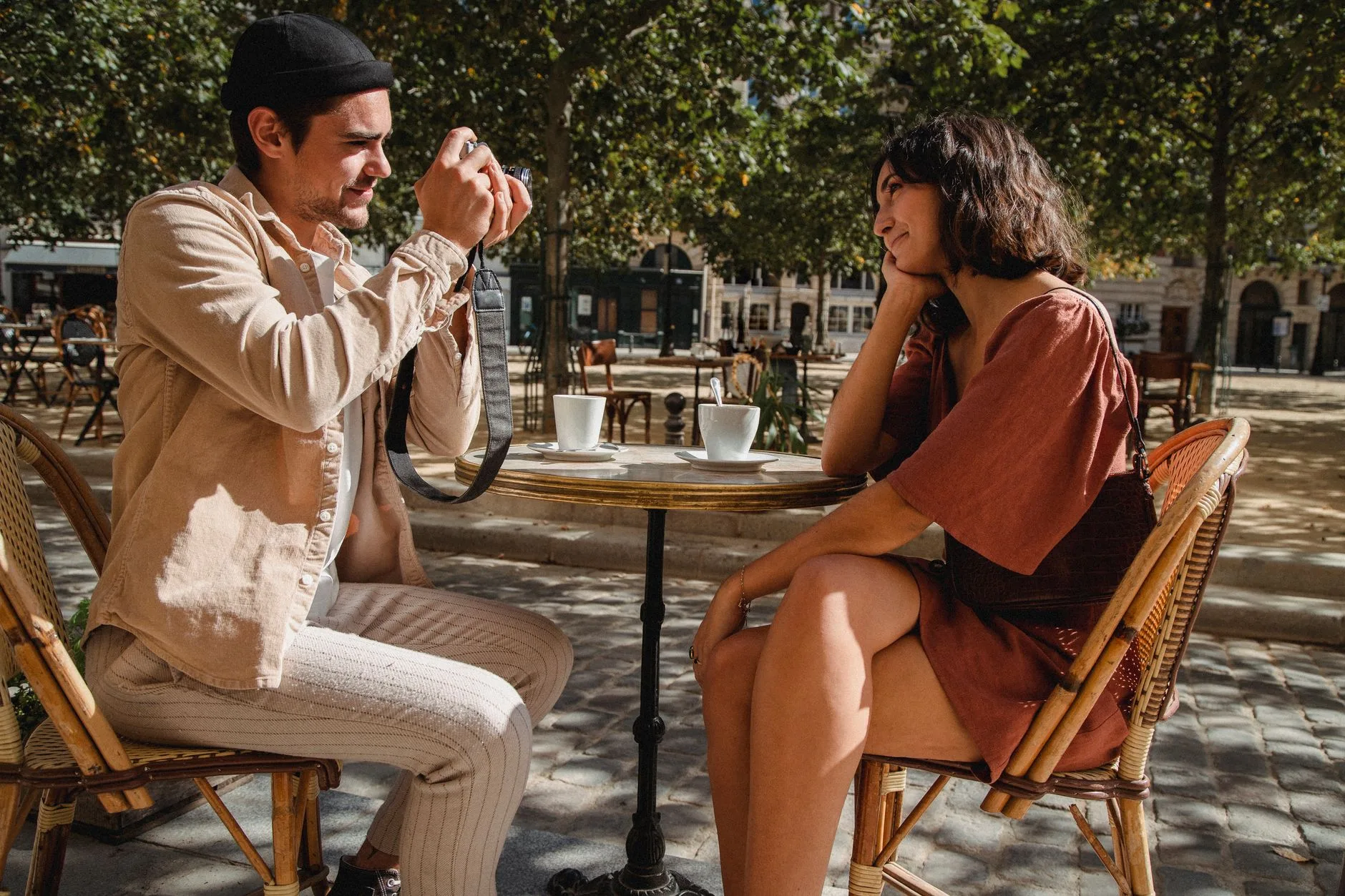
Imagine a quiet dinner date at a trendy restaurant in Victoria Island, Lagos. The conversation is flowing, the atmosphere is warm, and the connection feels genuine. However, tucked discreetly inside a handbag or propped against a water glass is a smartphone, its microphone active, capturing every intimate detail, every confession, and every laugh. This isn’t just a scene from a suspense thriller; it is a growing reality in an era where digital documentation is second nature.
The question of recording a date without telling them is no longer just a matter of social etiquette; it has become a complex intersection of personal safety, legal liability, and fundamental privacy rights. Whether you are doing it to protect yourself from a potential scam or out of a desire to capture “candid” content for social media, the implications are profound.
The Legal Landscape: Consent vs. Catching Evidence
Before diving into the ethics, we must address the law. The legality of recording a date without telling them depends heavily on where you are located. Privacy laws are not monolithic; they vary significantly across the globe, as noted by the Electronic Frontier Foundation.
In many jurisdictions, recording laws fall into two primary categories:
| Consent Type | Definition | Legal Implication |
|---|---|---|
| One-Party Consent | Only one person involved in the conversation needs to know it is being recorded. | Generally legal in many US states and some other countries if you are part of the conversation. |
| All-Party (Two-Party) Consent | Every person involved in the conversation must give explicit permission to be recorded. | Recording without permission in these jurisdictions can lead to criminal charges or civil lawsuits. |
In Nigeria, while the legal framework around private conversations is evolving, the data protection principles established by the Nigeria Data Protection Act (NDPA) emphasize transparency and purpose limitation. Even if a recording is technically legal under local criminal law, using that data in a way that violates the subject’s privacy could trigger regulatory scrutiny.
The Ethical Dilemma: When is it “Acceptable”?
The word “acceptable” is subjective. What is ethically justifiable to one person may be seen as a predatory breach of trust by another. To find clarity, we must distinguish between safety and spite.
1. The Safety Argument (The “Justified” Scenario)
There are instances where a person might feel the need to record for self-preservation. For example, if a person feels they are being targeted by a professional scammer or a “catfish,” they might record the interaction to gather evidence of fraudulent activity. In cases of harassment, threats, or physical danger, recording can serve as a critical tool for law enforcement.
Scenario: The Scam-Check
A user meets someone from a dating app who begins asking for urgent financial assistance or making strange, coercive demands. The user, feeling uneasy, keeps their phone recording to document the interaction. In this context, the motive is protection, not exploitation.
2. The Content and Spite Argument (The “Unacceptable” Scenario)
On the flip side, recording a date to “expose” them for social media clout, or to use their words against them during a breakup, is widely considered a violation of digital trust. Using a private moment to create “viral content” without consent is a gross violation of the person’s autonomy and a breach of basic compliance with social ethics.
“Privacy is not just about hiding secrets; it is about the autonomy to control one’s own digital footprint and how they are perceived by the world.”
The Impact on Digital Trust
For society at large, the normalization of secret recording erodes the foundation of human connection. If everyone enters a social interaction wondering if they are being “archived” for future scrutiny, the spontaneity and vulnerability required for genuine relationships vanish. This is a core issue for tech platforms and policymakers: how do we protect users from being recorded without infringing on their right to document their own lives for safety?
Risks of Secret Recording:
- Legal Exposure: Risk of being sued for invasion of privacy or violating wiretapping laws.
- Social Consequences: Total destruction of trust and reputation if the recording is discovered.
- Data Misuse: Once a recording is made, it becomes data that can be leaked, hacked, or used for blackmail.
Practical Takeaways: A Guide for the Modern Dater
Navigating the modern dating world requires a balance of being street-smart and being respectful. Here is how to handle the situation from both sides of the lens.
If you feel unsafe:
- Trust your gut: If something feels wrong, end the date. You do not owe anyone your presence if you feel threatened.
- Prioritize physical safety: If you must record for evidence of a crime, ensure the device is secure and you are in a safe position to do so.
- Report, don’t just post: Instead of posting a recording to social media (which could be illegal), take that evidence to the appropriate authorities.
If you want to respect privacy:
- Assume privacy by default: Treat every private conversation as if it is confidential.
- Ask before you film: If you want to take a photo or video of your date, simply ask. “Is it okay if I take a quick video of this moment?”
- Respect the ‘No’: If your partner is uncomfortable with technology being present, respect that boundary immediately.
Frequently Asked Questions
Is it illegal to record a conversation I am part of?
It depends on your location. In “one-party consent” areas, it is generally legal. In “all-party consent” areas, it is often illegal without the other person’s knowledge.
Can I post a recording of a date to social media?
Even if the recording was legal, posting it to social media without consent can lead to massive legal headaches, including defamation suits or violations of privacy laws. It is highly discouraged.
Conclusion
So, is recording a date without telling them ever acceptable? From a strict survival and safety standpoint, the answer may be yes. However, from a standpoint of building healthy relationships and maintaining digital trust, the answer is almost always no. The safest and most ethical path is to prioritize transparency. In a world where everyone is watching, the most radical and respected act you can perform is to respect the privacy of those in your presence.










