



How Long Should an Online Seller Keep Your Delivery Address?

Share
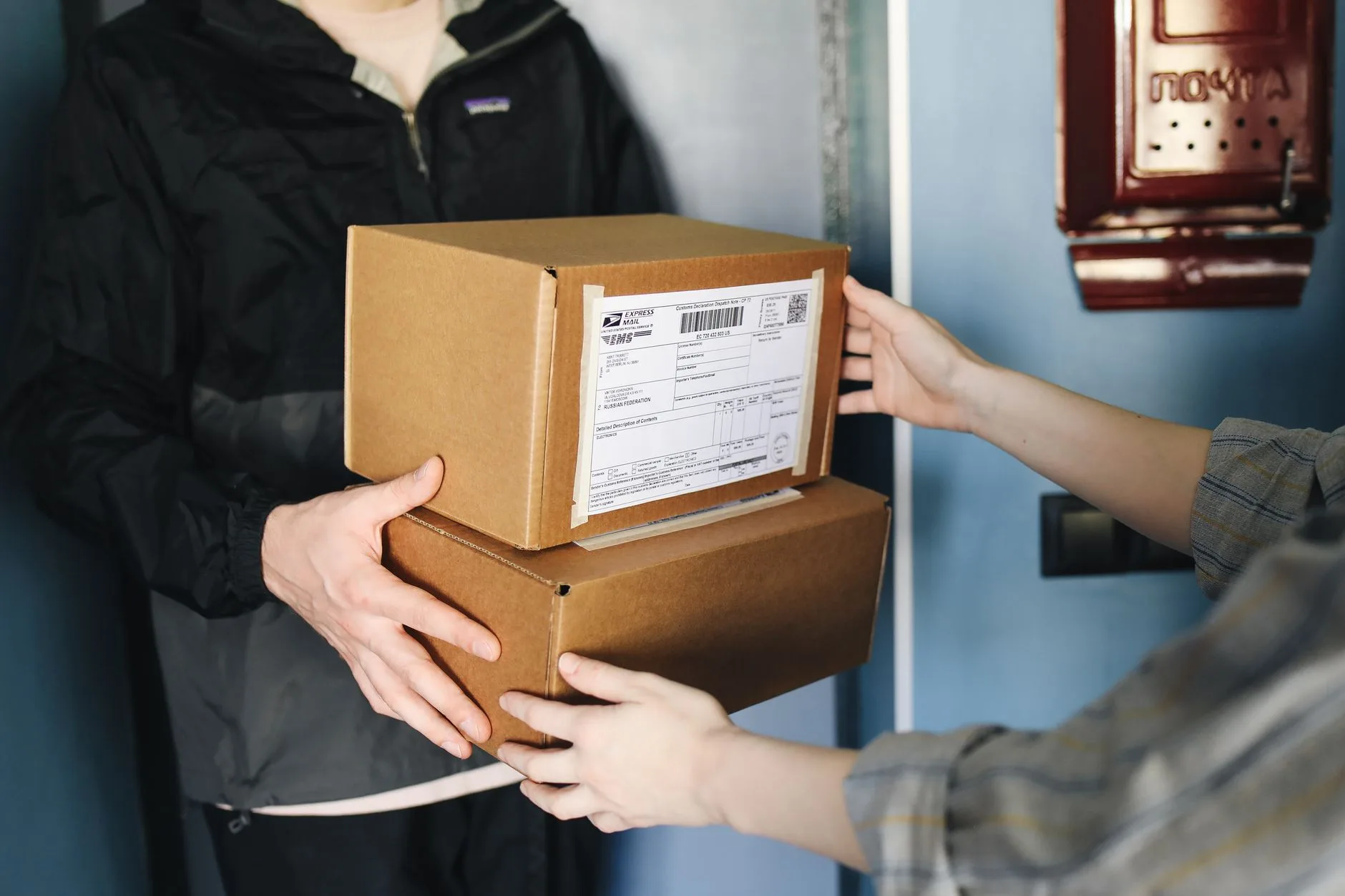
In the bustling markets of Lagos or the digital storefronts of London, e-commerce has become a lifeline. You select a product, input your home address, and wait for the knock on the door. It is a seamless experience. However, once that package is safely in your hands, a critical question remains: what happens to your location data? For many consumers, the realization that a retailer might still have their home address on file years after the last transaction is a source of significant unease.
Knowing how long an online seller should keep delivery information is not just a matter of digital hygiene; it is a fundamental requirement of modern data protection laws. If a business holds onto your address indefinitely, they are not just being “prepared”—they are creating a massive liability for themselves and a significant security risk for you.
The Principle of Storage Limitation
At the heart of data protection frameworks like the Nigeria Data Protection Act (NDPA) and the EU’s General Data Protection Regulation (GDPR) is a concept known as “storage limitation.” This principle dictates that personal data should be kept in a form which permits identification of data subjects for no longer than is necessary for the purposes for which the personal data are processed.
In plain English: if the reason you gave your address was to receive a package, once that package is delivered and the return window has closed, the primary reason for holding that data has vanished. Holding it longer requires a new, valid legal reason.
“The principle of storage limitation is not a suggestion; it is a foundational pillar of data protection law designed to prevent the indefinite profiling of individuals.”
When businesses ignore this, they fall into the trap of “data hoarding,” where vast amounts of unnecessary information sit in databases, waiting to be exposed in a breach.
Why Do Businesses Want to Keep Your Address?
From a business perspective, retaining delivery data isn’t always about malice; it is often about operational and legal necessity. To understand the correct duration, we must look at the different “purposes” for which an address is held.
- Order Fulfillment and Returns: A seller needs your address to deliver the item and to facilitate a return if the product is faulty. This period is usually tied to the consumer’s right to return goods (e.g., 14 to 30 days).
- Legal and Tax Obligations: This is the most common reason for long-term retention. Tax authorities in most jurisdictions require businesses to keep transaction records—which often include the buyer’s details—for several years (typically 5 to 7 years) to support financial audits.
- Fraud Prevention: Companies may keep data to identify patterns of fraudulent orders or to prevent repeat offenders from exploiting their systems.
- Marketing and Personalization: If you have opted in, a company might keep your data to suggest local products or specialized delivery services.
Retention Period Comparison Table
| Purpose of Data Processing | Typical Retention Period | Legal Basis |
|---|---|---|
| Order Fulfillment | Transaction period + return window | Contractual Necessity |
| Financial/Tax Auditing | 5 to 7 years (varies by jurisdiction) | Legal Obligation |
| Customer Support | 1 to 2 years after last interaction | Legitimate Interest |
| Marketing/Profiling | Until consent is withdrawn | Consent |
A Real-Life Scenario: The Risk of Over-Retention
Consider the case of Chidi, a software engineer living in Abuja. Chidi bought a high-end smartphone from an online retailer eighteen months ago. He hasn’t shopped there since. However, the retailer’s database was recently compromised in a cyberattack. Because the company failed to implement a strict deletion policy, Chidi’s full name, phone number, and exact residential address were leaked. Within days, Chidi began receiving highly targeted “delivery failure” phishing scams via SMS, designed to trick him into revealing his bank details. This is the direct consequence of a company keeping long online seller keep delivery data far beyond its useful life.
Jurisdictional Nuances: NDPA vs. GDPR
While the principles are similar, the application can vary slightly depending on where you and the seller are located.
Nigeria (NDPA)
Under the NDPA, data controllers must ensure that personal data is processed fairly and for specific, legitimate purposes. If a Nigerian e-commerce startup keeps your address for five years just “in case” they want to send you a flyer, they may be in violation of the principle of purpose limitation. The Nigerian Data Protection Commission (NDPC) emphasizes that data minimization is key to protecting the digital rights of citizens.
European Union (GDPR)
The GDPR is even more stringent. Under GDPR Article 5, the burden of proof is on the company to demonstrate why they still need your data. If they cannot provide a specific legal or contractual reason, you have the right to demand its deletion.
Practical Steps for Different Stakeholders
Whether you are a consumer protecting your home or a founder building a platform, there are clear actions to take.
For Consumers: Protecting Your Privacy
- Exercise Your Right to Erasure: If you no longer use a service, don’t just delete the app. Send a formal request to the company’s Data Protection Officer (DPO) asking them to delete your personal data, including your delivery address.
- Review Privacy Policies: Look for the “Data Retention” section. If it says they keep data “indefinitely,” that is a red flag.
- Use Guest Checkout: Whenever possible, avoid creating permanent accounts. Use guest checkout to minimize the amount of permanent data tied to your identity.
For Business Leaders and Compliance Teams
Compliance is not a one-time event; it is an ongoing compliance requirement. To manage risk, businesses should:
- Implement Automated Deletion: Set up database triggers that automatically anonymize or delete customer addresses after a set period of inactivity.
- Segment Data: Separate data needed for tax purposes (which must be kept) from data needed for marketing (which can be deleted).
- Audit Third-Party Logistics (3PL): Ensure your delivery partners also adhere to strict retention limits. Your liability often extends to the vendors you share data with.
- Update Privacy Notices: Be transparent. Tell your customers exactly how long you keep their data and why. This builds data protection trust.
Frequently Asked Questions
Is my address considered personal data?
Yes. Because an address can be used to identify a specific individual or their household, it is classified as personal data under almost all modern privacy laws.
Can a seller refuse to delete my address?
They can refuse if they have a valid legal obligation to keep it, such as for tax or anti-money laundering laws. However, they cannot refuse simply because it is “convenient” for them.
What should I do if a company leaks my address?
You should document the incident and consider reporting it to your national data protection regulator (such as the NDPC in Nigeria or the ICO in the UK).
Conclusion
There is no single, universal number of days that an online seller can keep your address, but there is a clear legal standard: necessity. Once the package is delivered and the legal requirements for tax and returns have been met, the address should be deleted or anonymized. For consumers, vigilance is key. For businesses, data minimization is the best defense against the rising tide of cyber threats. In the digital age, the most valuable data you can hold is the data you no longer need.










Leave a Reply