



Your Smartphone May Reveal Its IMEI and Device Details When Someone Calls You

Share
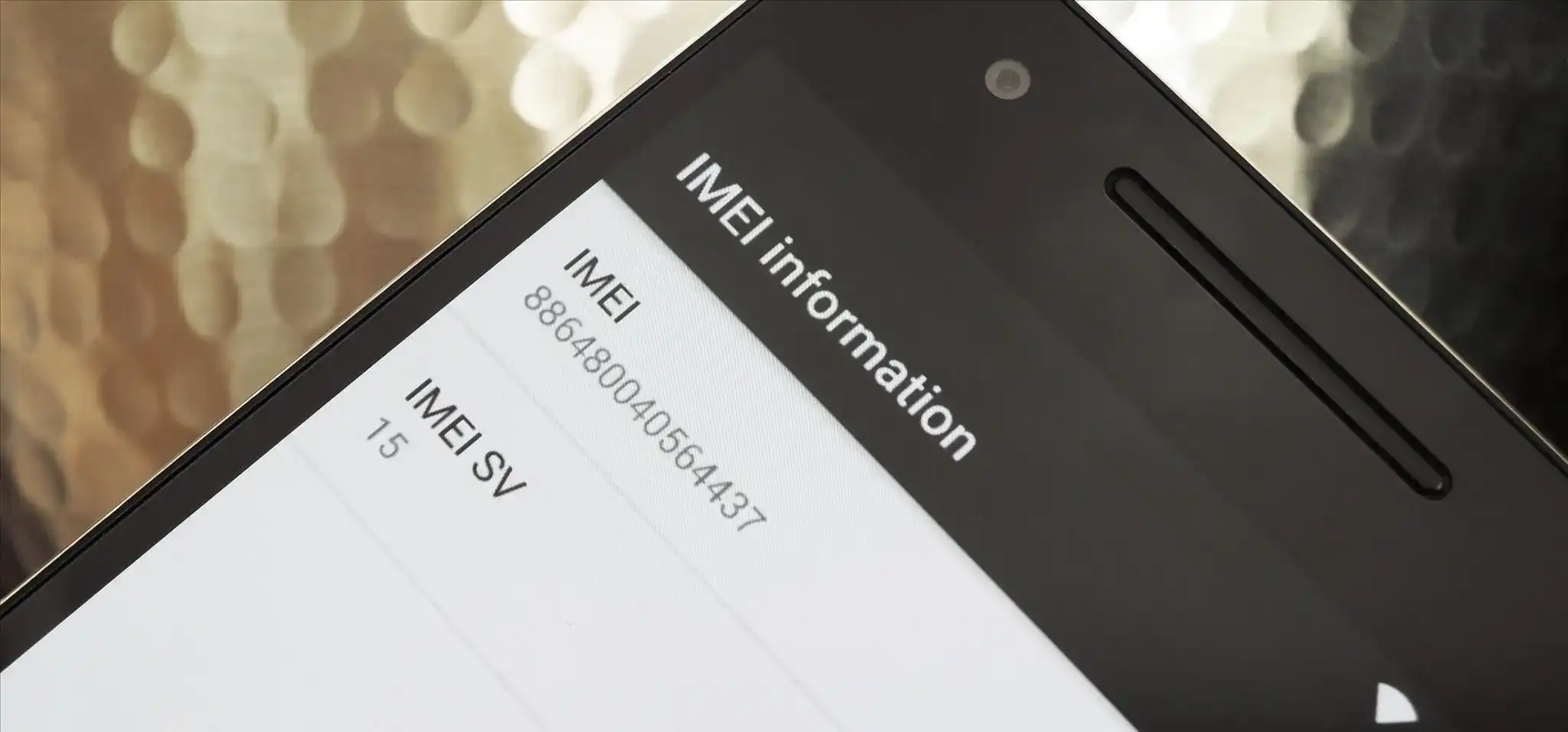
Incoming Calls Could Expose Your Phone’s IMEI Before You Answer, Researchers Warn
- A Simple Phone Call Could Reveal Your Smartphone’s IMEI to Attackers
- Mobile Networks May Leak Your Phone’s Identity Before You Answer a Call
- Your Phone’s IMEI and Software Details Could Be Exposed by Incoming Calls
- Over 1,000 Mobile Operators Warned About a Smartphone Privacy Flaw
- Incoming Calls Could Expose Smartphone Data, Researchers Warn
A simple incoming phone call could reveal sensitive technical information about your smartphone before you even pick it up, according to a security investigation that has raised concerns about mobile network privacy.
The investigation, conducted by German public broadcaster Bayerischer Rundfunk (BR), found that certain mobile network configurations could expose a phone’s International Mobile Equipment Identity (IMEI), smartphone model and operating system version during the process of connecting a call.
The findings have raised questions about how mobile networks handle device information and whether similar vulnerabilities could affect subscribers in other countries.
According to reporting by Cybernews, researchers confirmed the issue through more than 70 test calls across Germany’s major mobile networks. The Global System for Mobile Communications Association (GSMA), which represents mobile operators worldwide, subsequently warned more than 1,000 operators to review their network configurations and prevent unnecessary device information from being transmitted.
The discovery highlights a potential privacy weakness in a system billions of people rely on every day.
How an Incoming Call Could Reveal Your Phone’s Information
Most smartphone users assume that a caller cannot obtain technical details about their device simply by placing a phone call.
However, the investigation found that information could be transmitted during the technical process that establishes certain calls, without the recipient answering.
The problem involves some configurations of Voice over LTE (VoLTE), the technology that allows compatible mobile phones to make voice calls over 4G networks.
When a VoLTE call is initiated, the participating networks exchange signaling information to establish the connection. In certain circumstances, this information may include technical identifiers and details about the receiving smartphone.
If a network handles these details incorrectly, information intended for network operations could become visible to the calling party.
The German investigation found that the information exposed in some cases included the recipient’s 15-digit IMEI, the smartphone model and its operating system version.
This does not mean every incoming call exposes these details. The reported vulnerability depended on the network configuration and circumstances of the call.
What Is an IMEI Number, and Why Does It Matter?
The International Mobile Equipment Identity, commonly called the IMEI, is a unique identifier assigned to a mobile device.
Mobile operators use IMEI information for purposes such as identifying equipment on their networks and supporting certain device-management and security functions.
Unlike a phone number, which identifies a telephone subscription or contact address, an IMEI identifies the device itself.
That distinction matters because a device identifier can help link technical information to a particular handset over time.
The Internet Engineering Task Force has warned that exposing IMEI information can create privacy risks, including the potential for device tracking and surveillance when the identifier is transmitted without adequate protection.
An exposed IMEI does not automatically give a criminal access to a phone’s messages, photographs, banking applications or passwords. However, its disclosure can create opportunities for further investigation and targeted attacks, particularly when combined with other information.
Hackers Could Use the Information to Target Vulnerable Phones
The biggest concern is not necessarily the IMEI number alone. It is what an attacker could learn by combining several pieces of technical information.
For example, knowing a smartphone’s model and operating system version could help an attacker determine whether the device might be running software affected by a known security vulnerability.
Criminals could then use that information to select more convincing phishing messages, impersonate trusted service providers or pursue attacks aimed at a particular device type.
The information could also be useful to sophisticated surveillance operators seeking to identify devices associated with particular people.
Researchers and security officials have expressed concern about the potential misuse of the exposed information, including by foreign intelligence services.
However, the investigation did not establish that every exposed device had been attacked or that every person whose information was transmitted had been identified.
The distinction is important: the vulnerability creates a potential avenue for abuse, but exposure does not by itself prove that a successful cyberattack has occurred.
What the German Investigation Discovered
BR tested calls involving Germany’s major mobile operators, including Deutsche Telekom, Vodafone and Telefónica’s O2 network.
The investigation found that IMEI numbers were exposed in several test scenarios involving Telekom and O2. Smartphone model and operating system information were also disclosed in certain cases involving Telekom and Vodafone.
Vodafone disputed aspects of the reported findings concerning its network, while the broader investigation identified problems associated with how certain networks handled call-signaling information.
The findings prompted additional scrutiny because the information could be transmitted before the person receiving a call answered it.
Germany’s Federal Office for the Protection of the Constitution reportedly considered the vulnerability security-relevant and raised concerns about potential intelligence-service exploitation.
The findings demonstrate why seemingly routine telecommunications processes can have significant privacy implications when technical safeguards are not implemented correctly.
More Than 1,000 Mobile Operators Were Warned
Following the investigation, the GSMA alerted its members and encouraged mobile operators to review their network configurations.
The organization said certain VoLTE service configurations could inadvertently reveal device identifiers. It also recommended removing information that is not necessary for providing the service when that information could be used to link a particular device to an individual.
The issue is connected to network implementation and configuration, rather than evidence that every smartphone contains a defect.
According to Cybernews, German operators implemented technical changes to address the reported leak. The investigation did not establish that every mobile network worldwide was affected or that all operators had completed the same corrective measures.
This leaves an important question for customers outside Germany: whether their local mobile operators have reviewed the relevant configurations and applied appropriate safeguards.
The German findings alone do not confirm that networks in the United States, United Kingdom, Nigeria or other countries are vulnerable in the same way.
Could This Affect Smartphone Users in Nigeria?
Nigeria has a large mobile subscriber base, with millions of people depending on mobile networks for banking, business communication, online services and personal correspondence.
The reported findings make network security an important issue for Nigerian telecommunications providers as well as operators elsewhere.
However, there is currently no basis in the cited investigation to conclude that MTN Nigeria, Airtel, Globacom or 9mobile has experienced this specific IMEI exposure.
Whether the same vulnerability exists in Nigeria would depend on the networks’ technical configurations, the handling of call-signaling data and any security changes already implemented by the operators.
Mobile subscribers who are concerned can contact their service providers and ask whether their VoLTE infrastructure has been reviewed for unintended disclosure of device identifiers.
Operators, meanwhile, should assess their network signaling systems, verify compliance with relevant technical standards and ensure that unnecessary device information is not passed between networks.
What Smartphone Users Should Do to Protect Their Privacy
There is no universal phone setting that can guarantee protection against a vulnerability in a mobile operator’s network. Nevertheless, users can take several practical steps to reduce other security risks.
1. Keep your smartphone updated.
Install operating system and security updates as they become available. Updated software can address known vulnerabilities that attackers might otherwise exploit after identifying a device model or software version.
2. Be cautious with unexpected calls and messages.
Do not assume that a caller is legitimate simply because they know your name, phone number, device model or other personal details.
3. Never share verification codes.
Banks, legitimate service providers and other organizations should not require you to disclose one-time passwords or authentication codes to an unsolicited caller.
4. Avoid suspicious links.
If a caller follows up with a message claiming your phone has a security problem, verify the claim independently before clicking links, installing applications or providing personal information.
5. Review app permissions and security settings.
Limit unnecessary access to sensitive information, keep important accounts protected with multifactor authentication and remove applications you no longer trust or use.
6. Ask your mobile operator about network security.
Users cannot independently correct a carrier-side signaling vulnerability. Asking an operator about its security measures can help direct attention to the controls needed to protect subscribers.
Why the Discovery Matters for Data Privacy
The investigation illustrates a broader challenge facing the telecommunications industry: technical information generated during ordinary communications can become a privacy risk when it is exposed beyond its intended purpose.
A phone call may appear to involve only two people, but establishing the connection requires network infrastructure to exchange signaling data. That process must be designed to prevent unnecessary disclosure of information that could identify or profile a device.
The incident also highlights the importance of data minimization, secure communications and accountability in network operations.
Organizations that process technical identifiers should assess whether the information is necessary, restrict its disclosure and implement appropriate safeguards against unauthorized access.
For mobile operators, these responsibilities extend beyond protecting customer databases. They also include securing the infrastructure that processes communications and device information in real time.
What Happens Next?
The German investigation has prompted mobile operators to examine a technical weakness that may otherwise have remained unnoticed by ordinary subscribers.
Although corrective measures were reported in Germany, the wider international picture remains uncertain. The investigation did not establish that all countries were affected, and users should not assume that every mobile call exposes their device information.
The priority now is for telecommunications providers to review their systems, address unnecessary data transmission and verify that security measures work across network boundaries.
For consumers, the incident is a reminder that privacy risks can emerge even when a person does nothing more than receive a call.
As mobile networks continue to evolve, protecting subscribers will require operators to treat device identifiers and technical signaling information as sensitive data rather than harmless background details.













Leave a Reply