



Best Practices Managing CCTV SMEs: A Compliance Guide

Share
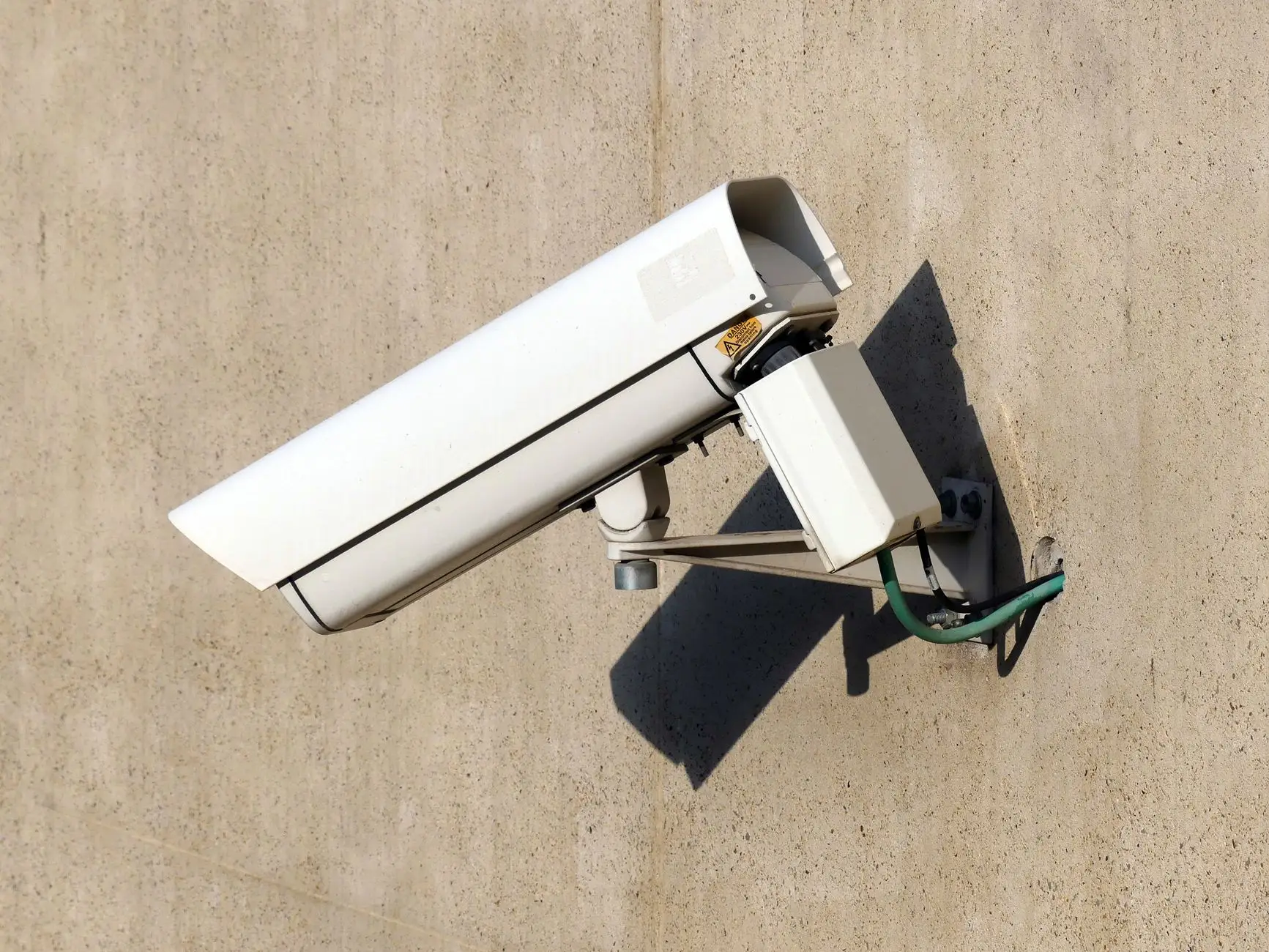
The Surveillance Challenge for Smaller Businesses
For many small and medium-sized enterprises (SMEs), closed-circuit television (CCTV) is the primary line of defense against theft, vandalism, and liability claims. However, installing cameras is not a simple plug-and-play solution. Every recording captures personal data, transforming the SME owner from a simple business operator into a data controller under data protection laws worldwide.
Ignoring these obligations puts your business at risk of significant regulatory fines, reputational damage, and loss of employee trust. Implementing the right Best Practices Managing CCTV SMEs is no longer optional; it is a fundamental part of operating a modern, compliant company.
Conducting a Data Protection Impact Assessment
Before mounting a single lens, you must justify why you need the surveillance. This process begins with a Data Protection Impact Assessment (DPIA). Ask yourself: Is there a less intrusive way to achieve the same result? If the answer is yes, you may struggle to justify the processing of footage under most legal frameworks.
Document your reasoning. If your business suffers from high-value inventory theft, recording the point of sale might be necessary. However, recording the break room or restroom is almost always a violation of privacy rights and creates immense liability.
Establishing Clear Operational Policies
Transparency is the bedrock of lawful surveillance. You must inform individuals that they are being recorded. This is typically achieved through clear signage at the perimeter of the surveillance zone.
| Action | Requirement |
|---|---|
| Signage | Visible, readable, and identifies the controller |
| Access Control | Password-protected storage and restricted access |
| Retention | Delete footage automatically after a set period |
| Subject Requests | System to handle access requests within legal limits |
As noted by the Information Commissioner’s Office, businesses must provide clear information regarding the identity of the person or organization operating the system and the purpose for which the information is being processed.
The Practical Reality of Managing CCTV Footage
Consider the case of a local retail store owner who kept two years of footage on an unencrypted external hard drive. When a minor incident occurred, the owner shared the video on social media to identify a suspect. This action triggered a massive privacy complaint, as the owner failed to redact faces of innocent bystanders and lacked a lawful basis to publicize the footage. The store was eventually fined for improper data handling.
This scenario highlights why you must treat CCTV footage as highly sensitive information. It should be encrypted, kept for the minimum duration necessary—often 30 days—and deleted automatically. Never share footage publicly unless instructed by law enforcement.
Protecting Employee Privacy
Employees have a reasonable expectation of privacy, even at work. Surveillance must never be used to monitor performance in a way that is dehumanizing or violates labor regulations. If you use CCTV for disciplinary purposes, you must ensure your employment contracts and staff handbooks explicitly state this as a potential use case. Failure to inform staff is a classic compliance failure.
Checklist for CCTV Management
- Auditing: Review camera placement annually to ensure they still meet a specific need.
- Security: Change default passwords on NVRs and DVRs immediately upon installation.
- Training: Ensure staff know how to handle requests for footage from customers or authorities.
- Redaction: Prepare tools to blur faces if you are legally required to share footage with a third party.
Frequently Asked Questions
How long should I keep CCTV recordings?
Keep data only for as long as it serves the purpose for which it was collected. For most SMEs, 30 days is standard. If no incident occurs, the footage should be overwritten.
Can I use CCTV to monitor staff performance?
Generally, no. CCTV is for security and safety. Monitoring performance via video is often considered disproportionate and risks violating employment privacy laws.
What if a customer asks for a copy of their footage?
This is a Subject Access Request (SAR). You have a legal obligation to provide the footage if you can identify the individual, provided it does not compromise the privacy of other people recorded in the same clip.
Conclusion
Mastering the Best Practices Managing CCTV SMEs requires a shift in mindset: view your security system not just as a camera, but as a database of personal information. By conducting assessments, limiting retention, and maintaining transparency, you protect your business from both criminals and regulators. Always prioritize privacy-by-design to ensure your security measures support your business goals without infringing on the rights of your staff and customers.
















Leave a Reply