From Identity Theft Victim to CISO: Patti Degnan on Modern Security Leadership

Share
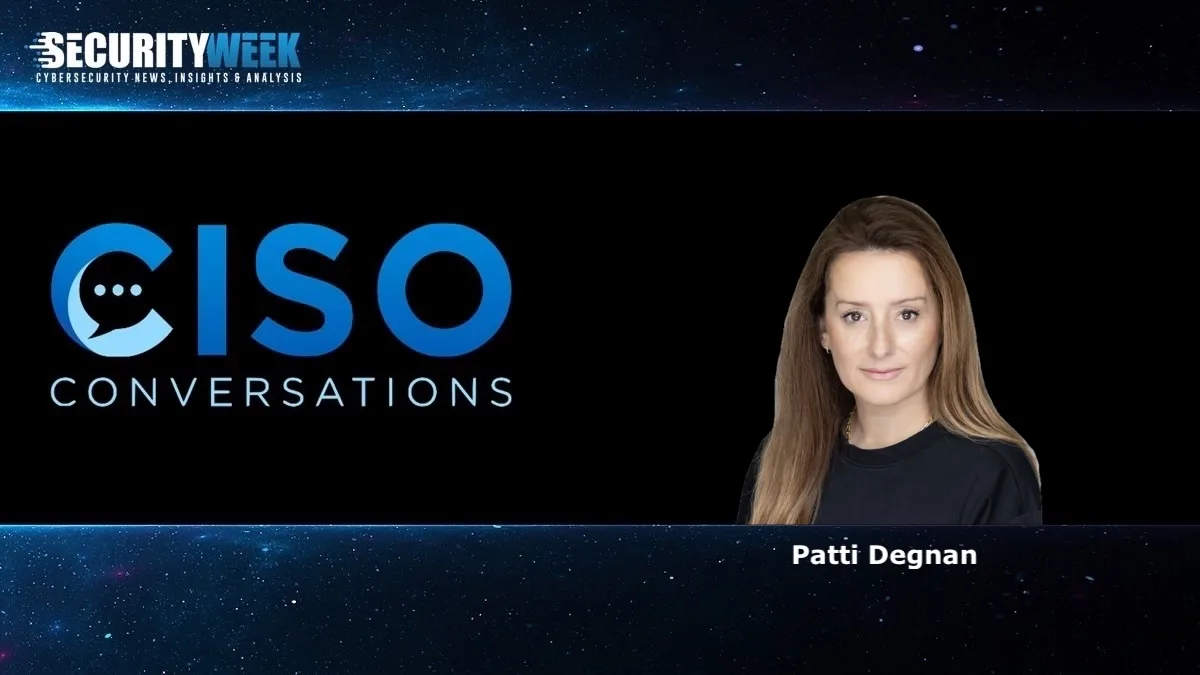
Patti Degnan, the CISO of AI-powered endpoint security firm Glow, entered the cybersecurity profession following a personal violation that many users face: identity theft. In 2006, the theft of her personal data sparked a curiosity about data protection that eventually led her through leadership roles at Symantec, Informatica, and Notion.
Degnan’s trajectory illustrates the shift in the Chief Information Security Officer (CISO) role from a purely technical function to a strategic business partnership. Now leading security at Glow, a company that recently emerged from stealth with $180 million in funding, she argues that a significant part of modern security leadership involves the difficult task of deciding what not to do.
The Evolution of a Security Leader
Degnan’s career began in internal audit and compliance at Symantec in 2012, prior to the widespread global focus on the General Data Protection Regulation (GDPR). By managing complex infrastructure and payment gateways, she developed a foundation in technical controls that she later applied at LendingClub and Informatica. Before joining Glow, she served as CISO at Notion and held an operating partner role at the venture firm Andreessen Horowitz.
Her experience suggests that while technical understanding is essential for translating risks across stakeholder groups, a CISO does not necessarily need to be a hands-on developer. Instead, the role requires a deep understanding of how technology serves the specific business landscape, whether in manufacturing or high-tech software.
Addressing Burnout Through AI Automation
Cybersecurity burnout remains a critical issue, often driven by the perception that every alert is an immediate crisis. Degnan believes that the infinite nature of security work requires leaders to set clear priorities and leverage automation to protect their teams.
“Automate the work you know machines should be doing in this day and age,” Degnan explains. By using artificial intelligence to handle redundant workloads, security teams can reserve human talent for tasks requiring judgment, creativity, and context. This approach allows for greater flexibility, including the ability for team members to take necessary time off without compromising the organisation’s security posture.
Rethinking Security Recruitment
When building security teams, Degnan prioritises a candidate’s thought process and sense of ownership over a list of certifications. While she acknowledges that certifications can provide a useful foundation, she does not view them as a definitive indicator of a practitioner’s ability to apply theory to real-world scenarios.
Her recruitment focus remains on creating a cooperative culture. She seeks individuals who are curious and qualified but, more importantly, willing to work together. This philosophy extends to diversity, which she believes occurs naturally when a team is built based on functionality and the ability to solve complex problems collectively.
Degnan identifies personal resiliency and communication as the two most vital traits for a successful CISO. The ability to translate technical security risks into the language of business value is what allows a security department to function as a partner to the rest of the organisation rather than an isolated silo.