Nvidia Faces Ransom Demand as The Gentlemen Group Starts Leak Timer

Share
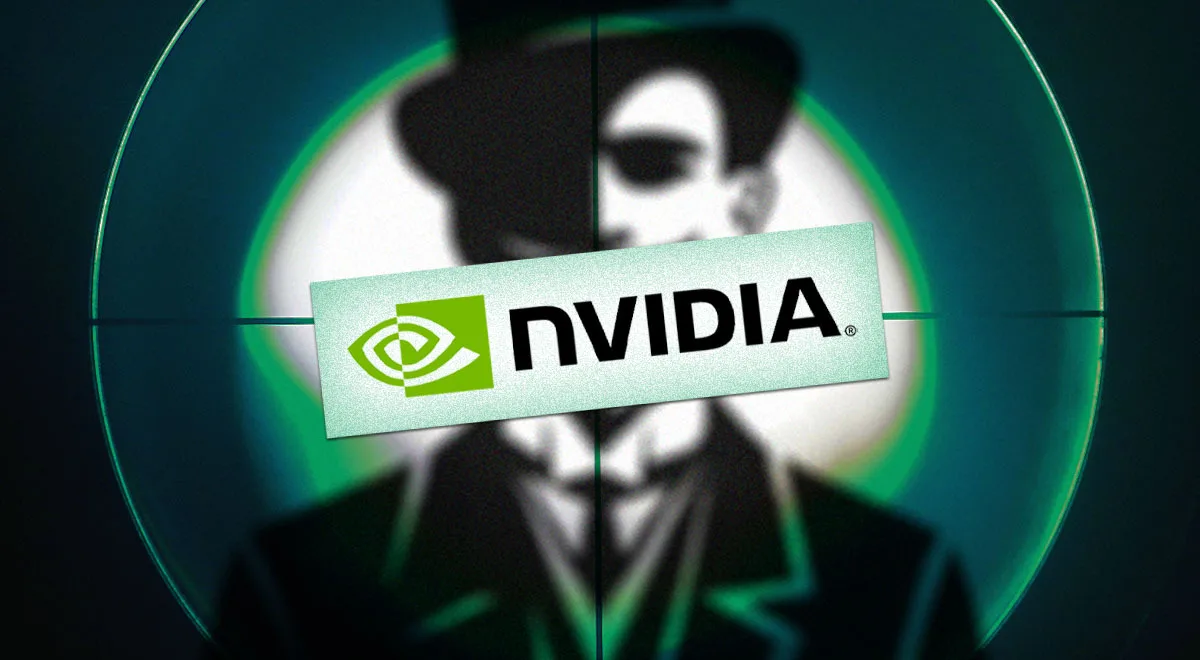
The Gentlemen ransomware group has reportedly issued a ransom demand to Nvidia, accompanied by a countdown timer threatening the public release of stolen data. The threat actor, which has emerged as a significant player in the extortion landscape, suggests that a deadline has been initiated following an alleged intrusion into the semiconductor giant’s systems.
At this stage, Nvidia has not officially confirmed a new security incident. The claims follow a notable historical precedent for the company; in 2022, the Lapsus$ extortion group successfully exfiltrated approximately 1TB of data from Nvidia, including employee credentials and proprietary source code, which was subsequently leaked online.
The Gentlemen Threat Group Tactics
The Gentlemen group typically operates by exfiltrating sensitive information and demanding payment in exchange for its deletion, a tactic known as double extortion. The appearance of Nvidia on their leak site indicates that the group claims to possess internal files that could potentially include intellectual property, hardware blueprints, or sensitive employee information.
Cybersecurity researchers are currently monitoring the group’s leak site to determine the validity of these claims. Often, such timers are utilised as a psychological pressure tactic to force victims into negotiations before the countdown expires. It remains unconfirmed whether any sample data has been provided to verify the breach.
Organisations facing similar extortion threats are generally advised by the Cybersecurity and Infrastructure Security Agency (CISA) to report incidents to law enforcement and avoid paying ransoms. Payment often fuels further criminal activity and provides no guarantee that the stolen data will be destroyed or that the attacker will not return.
Response and Mitigation
If the breach is confirmed, Nvidia will likely be required to notify relevant regulators and affected individuals, depending on the nature of the compromised data and the jurisdictions involved. In previous security incidents, the company has moved to implement containment measures and strengthen its internal security protocols to limit operational disruption.
For now, stakeholders and customers are awaiting a formal response from the company regarding the authenticity of the data held by the threat group. Nvidia maintains a dedicated cybersecurity trust centre to manage incident disclosures and provide updates on its security posture.
Security professionals recommend that large enterprises maintain robust incident response frameworks, ensure offline backups are current, and enforce strict multi-factor authentication (MFA) to mitigate the risk of unauthorised access via compromised credentials.