



Android 17 Locks Accessibility Services for Advanced Protection Users

Share
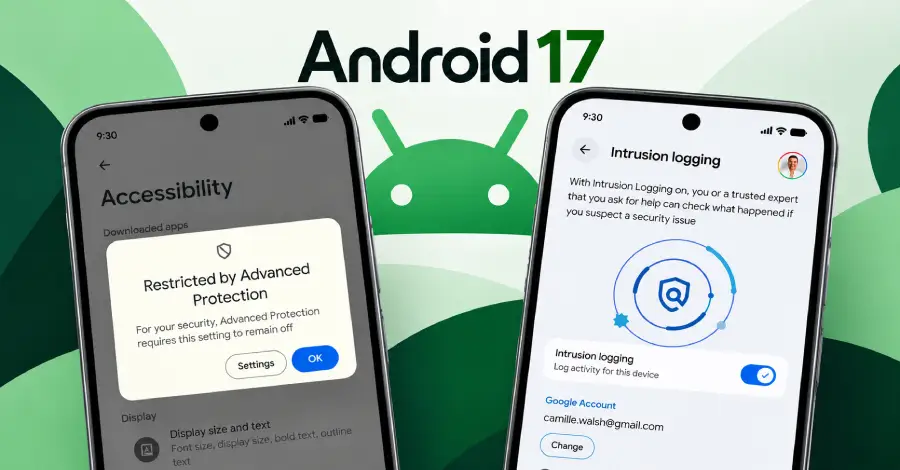
Google is rolling out a critical security measure in Android 17, automatically restricting access to the operating system’s powerful accessibility services for users who have enabled Advanced Protection. This new safeguard will limit the AccessibilityService API exclusively to verified applications categorised as Accessibility Tools.
The move directly addresses a long-standing vulnerability exploited by malicious Android applications, which have historically leveraged the API as a primary conduit for malware deployment and financial fraud. By tightening controls, Google aims to block a significant attack pathway while ensuring legitimate assistive technologies remain functional.
The Android AccessibilityService API is designed to assist users with disabilities, enabling features such as screen readers or voice control. It grants applications privileged access to run in the background, intercept user interface events, and interact with other applications on a user’s behalf.
However, this high level of access has made it a prime target for abuse. Banking trojans and spyware have notoriously exploited the API to extract sensitive data, perform malicious actions without requiring root access, and circumvent security measures. Once a user is tricked into enabling the service, often through social engineering tactics, malware can initiate fraudulent fund transfers, log keystrokes, overlay fake login screens, and grant itself additional sensitive permissions.
Google stated that because accessibility services interact directly with the screen, malicious actors can exploit them to read sensitive data, install further malware, or even block the uninstallation of rogue applications.
Over recent years, Google has implemented various measures to counter this abuse, including blocking sideloaded apps from enabling accessibility services and introducing in-call protections to prevent users from disabling Google Play Protect or granting accessibility permissions to unapproved apps. The company also introduced the accessibilityDataSensitive flag for developers to protect sensitive view data.
Android 17 Brings Broader Security Enhancements
Beyond the accessibility service lockdown, Android 17 introduces several other security improvements designed to enhance device protection:
- Intrusion Logging: This feature enables persistent, privacy-preserving forensics logging, designed to aid in the investigation of sophisticated spyware attacks.
- USB Protection: New measures prevent attackers from gaining unauthorised access to a device through physical USB connections.
- Disable WebGPU: This option reduces exposure to advanced browser-based exploits by allowing users to disable the WebGPU API.
- Failed Authentication Lock: The device can be completely locked down after multiple failed authentication attempts, guarding against physical tampering and brute-force attacks.
- View Supporting Apps: Users can now see which installed applications have checked the Advanced Protection status, offering greater transparency.
Developers will receive notifications when Advanced Protection is enabled, allowing them to activate any specific features they have for this user population. Existing Advanced Protection users will receive a notification when these new capabilities become available on their devices. To utilise the new forensic capabilities, users must manually enable Intrusion Logging within their Advanced Protection settings.













Leave a Reply