



Why AI Watermarks Are Not the Same Thing as Proof a Video Is Real

Share
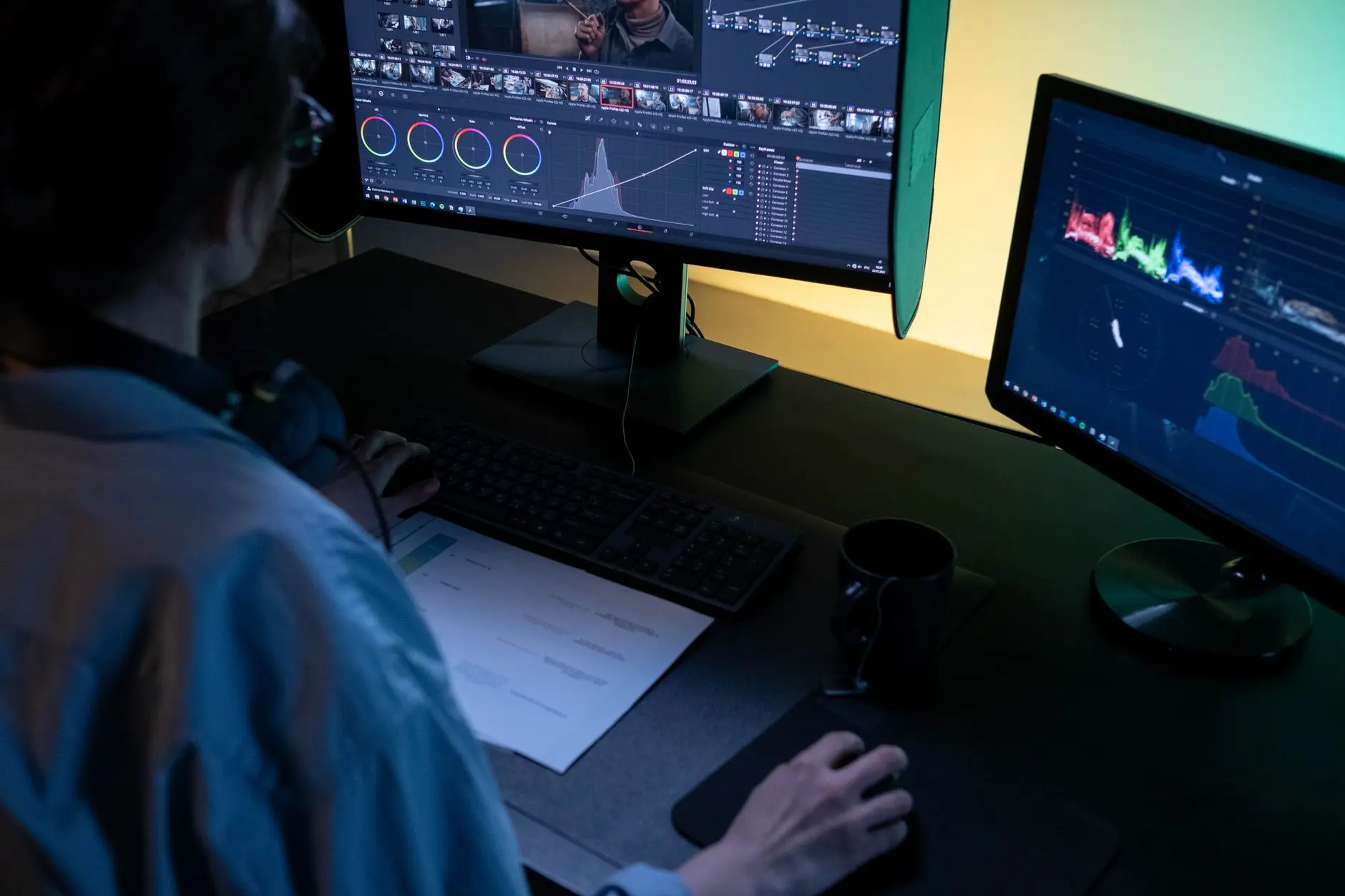
When a manipulated video of a political candidate or corporate executive surfaces online, public trust fractures within minutes. In response, technology platforms, policymakers, and standard-setting bodies have heavily promoted AI watermarking and digital provenance standards as the definitive fix. Major coalition groups like the Coalition for Content Provenance and Authenticity (C2PA) have developed open technical specifications to embed cryptographic metadata into media files, showing whether an asset was generated or edited by artificial intelligence.
However, a dangerous misconception has taken root among business leaders, journalists, and everyday consumers. Many assume that the presence of an AI watermark means unwatermarked footage is automatically authentic, or that a verified watermark proves an entire video is true. In reality, watermarks are not the same thing as proof a video is real. Understanding this distinction is vital for legal compliance, regulatory frameworks, and organizational risk management.
The Core Confusion: Provenance Versus Truth
To understand why watermarks fail as absolute proof of reality, we must separate technical provenance from factual truth. Digital watermarks and cryptographic credentials track the lineage of a digital file. They answer the question: What tool, software, or camera created or modified this specific file?
They do not answer the question: Did the event depicted in this video actually happen in the physical world?
Consider a simple real-world scenario from a newsroom in Lagos or London. A videographer films a public protest using a modern smartphone that automatically embeds a cryptographic C2PA content credential verifying the recording device. Later, the videographer cuts out a critical twenty-second window where peaceful protesters were interacting with police, leaving only the footage of a sudden escalation. The resulting video file still carries a valid provenance credential proving it came from a real camera, but the narrative context has been fundamentally distorted.
Conversely, bad actors can strip metadata, re-encode video files, or screenshot playback screens, entirely destroying visible or invisible watermarks while leaving the underlying harmful content intact. Watermarks track digital processing steps, not moral honesty or objective reality.
How AI Watermarks Work and Where They Break Down
AI watermarks generally fall into two distinct categories: visible indicators and invisible cryptographic or statistical alterations embedded directly into pixel data or audio frequencies. While major generative AI companies have committed to embedding these markers, technical limitations render them vulnerable to manipulation.
- Metadata Stripping: Simple actions like uploading a video to certain messaging apps or social media platforms automatically strip out embedded C2PA headers and metadata.
- Adversarial Perturbations: Malicious actors use open-source software to add noise or slightly alter pixels, neutralizing statistical watermarks without degrading visual quality.
- The False Sense of Security: When a platform displays a label reading Generated by AI, users understand the risk. But when a video lacks a warning label, viewers often assume it is entirely authentic, ignoring the reality that the generation tool may have lacked watermarking capabilities altogether.
This dynamic creates severe blind spots for data protection officers, compliance teams, and legal counsel attempting to verify evidence in corporate disputes or fraud investigations.
Comparing Provenance Technologies
To evaluate what different verification mechanisms actually deliver, consider the following comparison table.
| Technology Type | Primary Function | What It Proves | What It Does NOT Prove |
|---|---|---|---|
| Cryptographic Metadata (C2PA) | Tracks file editing history and authorship | The digital file was edited or created by a specific tool | That the recorded event is factual or untriggered by deception |
| Statistical AI Watermarks | Embeds hidden patterns in pixel data | The raw output originated from a specific generative model | That downstream edits or screen recordings are authentic |
| Traditional Video Signatures | Hashes files to detect duplication | The file is an exact duplicate of a known digital asset | The original source or intent of the creator |
Implications for Compliance and AI Governance
Global regulatory bodies are rapidly moving to mandate disclosure for synthetic media. Under frameworks such as the European Union Artificial Intelligence Act, providers of generative AI systems must ensure their outputs are machine-readable and marked as artificially generated or manipulated.
However, compliance teams must look beyond simple checklist items. Relying solely on technical watermarking to satisfy internal governance or legal evidentiary requirements introduces massive liability. If a company relies on an unwatermarked video to make a high-stakes business decision or disciplinary action, and that video was cleverly scrubbed of its provenance markers, the organization remains vulnerable to fraud and wrongful termination claims.
Provenance standards tell us where a digital file has been, but they cannot vouch for the integrity of the human behind the lens or the context of the physical event.
As AI governance researcher Dr. Elena Vance notes in recent industry briefings, organizations must adopt a defense-in-depth verification strategy that combines metadata checks with traditional investigative journalism techniques, witness corroboration, and contextual analysis.
Action Steps for Business and Compliance Leaders
Organizations must establish robust verification workflows that treat watermarks as helpful indicators rather than definitive proof. Follow these practical action steps:
- Educate Stakeholders: Train communications, legal, and compliance teams on the limitations of content credentials and AI watermarks.
- Never Rely on Absence of Evidence: Teach staff that the absence of an AI watermark does not equal proof of human creation or objective truth.
- Adopt Multi-Layered Verification: Combine automated provenance tools with human fact-checking, source verification, and forensic video analysis for sensitive content.
- Monitor Regulatory Updates: Stay informed on evolving standards from bodies like the C2PA and regional data protection authorities regarding synthetic media labeling.
Frequently Asked Questions
Do all AI video generators use watermarks?
No. While many major commercial providers adhere to voluntary safety commitments or emerging legal mandates to include watermarks, open-source models and malicious tools often omit them entirely.
Can watermarks survive video compression?
Some robust invisible watermarks survive light compression, but heavy compression, re-encoding, and platform uploads frequently strip or corrupt both metadata and embedded digital signatures.
Are watermarks legally binding in court?
Watermarks and digital provenance records can serve as admissible evidence supporting a file’s chain of custody, but they must be authenticated by expert testimony alongside other corroborating evidence.
Conclusion
AI watermarks and provenance frameworks represent crucial advancements in digital transparency, helping society track the proliferation of synthetic media. Yet, treating them as infallible proof of reality is a costly mistake. By recognizing the strict limits of watermarking technology, businesses, policymakers, and compliance professionals can build resilient verification practices that protect against sophisticated digital deception.

















Leave a Reply