Why Apartment Viewing Forms Shouldn’t Ask for Your BVN

Share
Finding a home in a bustling urban centre is already exhausting. Between scheduling inspections, dodging fraudulent listings, and negotiating steep rents, prospective tenants face immense friction. Recently, however, a troubling new hurdle has emerged. Property agents and digital real estate platforms are increasingly demanding sensitive personal identifiers—most notably the Bank Verification Number—long before a tenancy agreement is ever discussed, let alone signed.
This practice is more than just an inconvenience. It is a severe privacy violation and a massive cybersecurity risk. When apartment viewing forms shouldn ask for your BVN, prospective renters need to understand the legal boundaries and the dangers of over-collecting sensitive financial data.
The Real-World Scenario: A Routine Inspection Gone Wrong
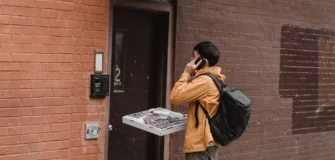
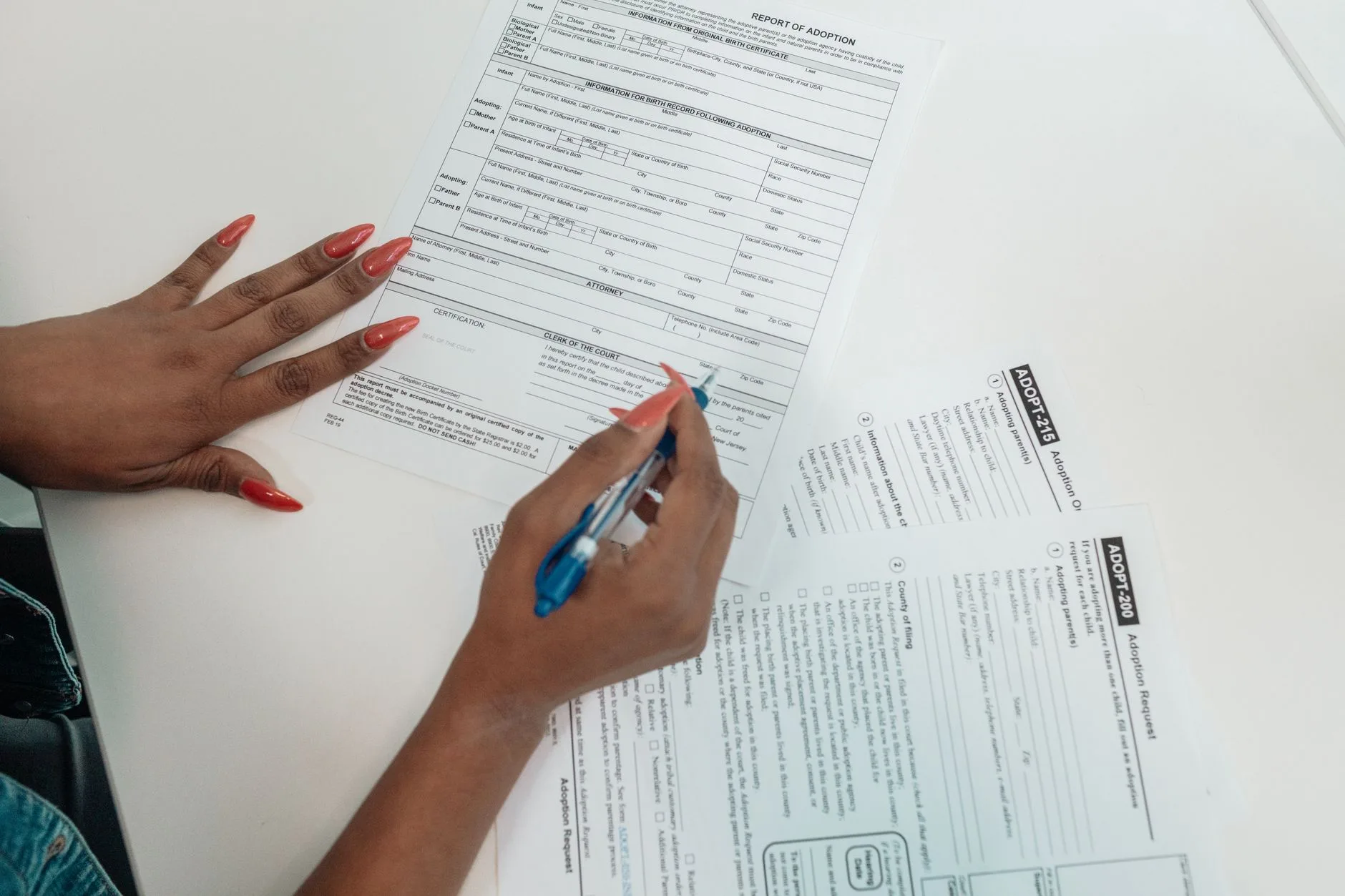
Imagine scrolling through an online property portal and finding a well-priced apartment in Lekki or Ikeja. You contact the agent to book a physical inspection. Before they confirm the date and time, the agent sends you a digital Google Form or an app registration link. To secure your free viewing slot, the form requires your full name, phone number, employment details, and your 11-digit Bank Verification Number.
Under pressure to secure housing in a competitive market, many applicants comply without thinking twice. They assume it is just another standard background check. But what happens to that form once you finish the inspection and decide the apartment is too small or too expensive? In most cases, your BVN sits indefinitely in a poorly secured spreadsheet or an unencrypted cloud database managed by an independent real estate agent with zero cybersecurity infrastructure.
Why the BVN Is Too Sensitive for a Simple House Tour
The Bank Verification Number was originally designed as a secure biometric-backed identity verification tool for the banking sector. It links directly to your financial history, your biometric data, your phone numbers, and your bank accounts. It is not meant to be shared casually with strangers or low-level commercial entities.
When unregulated entities collect your BVN, the attack surface for financial fraud expands dramatically. According to data protection regulations like the Nigeria Data Protection Act, data collection must adhere to the principle of data minimisation. This means organisations should only collect personal data that is strictly necessary for a specific, lawful purpose.
Viewing a physical property requires verifying that a person is genuine and capable of paying rent, but it does not require access to a banking gateway or biometric linkages. Asking for a BVN for a simple inspection violates the core tenets of proportionality and lawful data processing.
What Could Go Wrong? The Human and Financial Stakes
The risks of handing over your financial identifiers to unauthorized property platforms are severe and far-reaching:
- Identity Theft and Fraud: Rogue agents can use leaked BVNs to impersonate you, open fraudulent bank accounts, or secure unauthorized loans in your name.
- Targeted Phishing Attacks: Armed with your full name, phone number, and financial identity, scammers can launch hyper-targeted social engineering attacks, pretending to be your bank or your employer.
- Unregulated Data Sharing: Small property agencies often share applicant databases with third-party marketers, loan sharks, or dubious investment schemes without your explicit consent.
As privacy professionals often note, data collected without a valid purpose eventually becomes a liability for both the individual and the business holding it.
Comparing Requirements: What Is Necessary vs. What Is Intrusive
To understand where the line should be drawn, it helps to compare standard verification practices against invasive data harvesting during the apartment hunting process.
| Stage of Tenancy | Acceptable Information | Intrusive/Unlawful Information |
|---|---|---|
| Apartment Viewing / Inspection | Full Name, Phone Number, Email Address | BVN, National Identity Number, Bank Statements |
| Rental Application / Background Check | Employment Verification, References, Proof of Income | Full BVN, ATM Card Details, Passwords |
| Lease Signing & Agreement | Government ID, Emergency Contact, Signed Contract | Biometric Thumbprints for non-banking databases |
Safeguards and Action Steps for Tenants
Protecting your digital identity while searching for a home requires vigilance. You do not have to compromise your personal security just to find a place to live. Implement these practical safeguards:
- Question the Necessity: Always ask the agent or platform why they need a specific piece of information and what legal basis they rely upon. You can review guidelines from regulatory bodies like the Nigeria Data Protection Commission to understand your rights.
- Redact Sensitive Fields: If a digital form makes a BVN field mandatory with no legitimate justification, consider walking away from the listing entirely.
- Offer Alternatives: If proof of financial capacity is genuinely required before a lease, offer a redacted bank statement showing your income flow without exposing your account numbers or BVN.
- Report Non-Compliance: If a registered corporate entity demands sensitive financial data unlawfully, report them to the relevant data protection authorities.
Compliance and Business Responsibilities
For real estate startups, property tech platforms, and agency owners, collecting sensitive consumer data without robust compliance frameworks is a recipe for regulatory fines and reputational ruin. Compliance teams must audit their onboarding forms immediately. If your business model relies on gathering excessive consumer identifiers, you expose yourself to severe liabilities under modern data protection frameworks.
Businesses must implement end-to-end encryption, strict access controls, and transparent privacy policies that explain why certain data points are collected and how long they will be retained. For broader context on safeguarding consumer information, explore our foundational insights on data protection principles.
Frequently Asked Questions
Can a landlord legally demand my BVN before signing a lease?
Even at the lease stage, demanding a full BVN is rarely justifiable. Landlords and property managers can verify financial stability through employment letters, guarantor forms, and official references without accessing your banking identification number.
What should I do if I already submitted my BVN to a suspicious property agent?
Contact your bank immediately to place a monitoring alert on your account. Monitor your credit and financial history closely for any unauthorized loan applications or suspicious transactions.
Conclusion
The search for a new home should test your patience, not your digital security. When apartment viewing forms shouldn ask for your BVN, pushing back is not just a preference; it is a vital act of self-defense. By demanding transparency, practicing data minimisation, and refusing to hand over sensitive financial keys to strangers, prospective tenants can protect themselves from identity theft while pushing the real estate industry toward higher standards of digital trust and compliance.