Should a Church Livestream Blur People Who Didn’t Agree to Appear?

Share
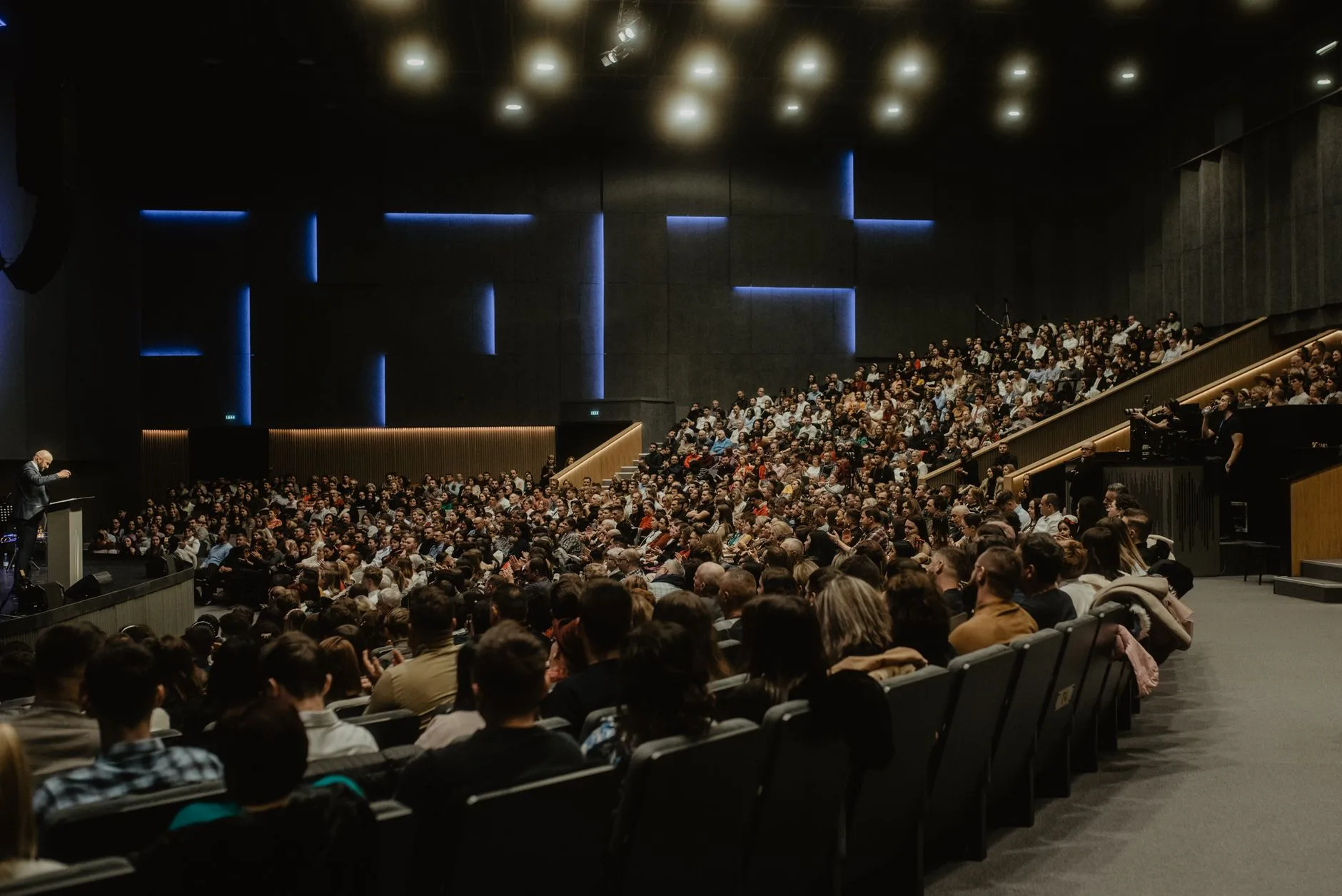
For many in bustling hubs like Lagos or Abuja, the Sunday service is no longer confined to the four walls of a cathedral or a local parish. As religious organizations embrace the digital age, the “virtual sanctuary” has become a mainstay. High-definition cameras capture the passion of the preacher, the melody of the choir, and the devotion of the congregation, broadcasting it to thousands of screens worldwide via YouTube or Facebook.
However, this digital expansion brings a profound tension between religious expression and individual privacy. A critical question is emerging for tech teams and clergy alike: Should a church livestream blur people who didn’t agree to appear? While the intent is to spread a message, the unintended consequence may be the unauthorized broadcasting of personal data.
The Digital Sanctuary vs. The Right to Privacy
In the traditional setting, attending a service is an act of communal participation. When you walk into a church, there is an implicit understanding that you are part of a public gathering. But a livestream changes the scale of that gathering from a local room to a global audience. Suddenly, a person’s face—their biometric identifier—is being processed, stored, and distributed across the internet.
From a data protection perspective, a human face is personal data. Under frameworks like the Nigeria Data Protection Act (NDPA) and the EU’s GDPR, processing this data requires a lawful basis. For a church, the argument often rests on “legitimate interest” or “public interest,” but these are not absolute shields against the individual rights of congregants.
The High Stakes of Unintended Exposure: A Scenario
To understand why this isn’t just a technicality, consider the case of “Amina” (a pseudonym). Amina is a survivor of domestic abuse who finds solace in her local church. She attends services to rebuild her spirit, but she must remain under the radar to ensure her safety. If a church livestream captures a clear, unblurred shot of her face, her location and presence are effectively broadcast to anyone with an internet connection—including those who might seek to harm her.
This isn’t a hypothetical fear. In an era of facial recognition technology and sophisticated online tracking, an unblurred face in a livestream is more than just a visual; it is a data point that can be used to reconstruct a person’s movements, affiliations, and private life. For churches, the risk is not just legal, but deeply moral and pastoral.
Legal Realities and Regulatory Expectations
Regulators like the Nigeria Data Protection Commission (NDPC) emphasize the importance of transparency and purpose limitation. If a person enters a church with the expectation of privacy, and that privacy is stripped away by a broadcast they did not authorize, the organization may be in breach of compliance standards.
The core issue is consent. While a church might argue that congregants provide “implied consent” by attending, this is a shaky legal foundation for a global broadcast. True consent should be informed, specific, and freely given. If a member is unsure or uncomfortable with being filmed, the organization must have a mechanism to respect that boundary.
Comparing Approaches to Livestream Privacy
| Approach | Privacy Protection | Technical Effort | Risk Level |
|---|---|---|---|
| No Blurring | Very Low | Minimal | High (Legal & Ethical) |
| Manual Blurring (Post-production) | High | Very High | Low |
| AI-Automated Blurring | High | Moderate | Medium (Accuracy risks) |
| Camera Angle Management | Moderate | Low | Medium |
Practical Solutions for Church Tech Teams
The question is not just whether you should blur, but how you can do it without compromising the quality of the service. Managing a church livestream blur people didn’t consent to requires a mix of policy and technology.
- Implement Clear Signage: Before the service begins, place visible signs at all entrances stating that the service is being livestreamed. This provides a layer of “notice,” though not necessarily full legal consent.
- Designate “No-Film” Zones: If possible, create specific seating areas (e.g., the back rows or side aisles) that are designated as camera-free zones for those who wish to remain private.
- Leverage AI Tools: Modern streaming software and video editing suites are increasingly integrating AI-driven face detection. These tools can automatically detect and blur faces in real-time or during post-production.
- Adopt Camera Angles Strategically: Instead of wide-angle shots that capture the entire congregation, focus on the pulpit, the choir, or tighter shots of the speakers. This reduces the amount of incidental personal data captured.
- Develop a Privacy Policy: Ensure the church has a clear compliance framework that outlines how video data is handled, how long it is stored, and how individuals can request its removal.
The Path Forward: Respect Over Reach
For religious leaders, the goal of a livestream is to expand the reach of their message. However, true spiritual community is built on trust. If congregants feel that their presence is being commodified or that their privacy is being disregarded for the sake of “views,” that trust will erode.
The decision to church livestream blur people who didn’t consent is not a technical burden; it is a commitment to the dignity of the individual. By implementing proactive privacy measures, churches can protect their most vulnerable members while still embracing the transformative power of digital broadcasting.
Frequently Asked Questions
Does a church need written consent from every person in the background?
While getting written consent from every person in a crowded hall is often impractical, relying on “implied consent” is risky. The best approach is a combination of clear notices, camera angle management, and blurring those who are clearly identifiable and may have privacy concerns.
Is blurring faces required by law?
It depends on the jurisdiction. Under the NDPA and GDPR, if the processing of a person’s face poses a high risk to their rights and freedoms (as in the case of sensitive personal circumstances), then implementing safeguards like blurring is highly recommended to remain compliant.
What if I am in a livestream and want my face removed?
Under data subject rights, you generally have the right to object to the processing of your personal data. You should contact the organization responsible for the stream and request that the footage be edited or the specific segment removed.
Conclusion
As we navigate the intersection of faith and technology, the responsibility of digital stewardship grows. When considering whether a church livestream blur people didn’t consent to, the answer leans heavily toward yes. Protecting the privacy of the individual ensures that the digital sanctuary remains a safe space for all, regardless of how they choose to worship.