Threat Actors Use Custom ChatGPT GPTs to Deploy ClickFix Malware

Share
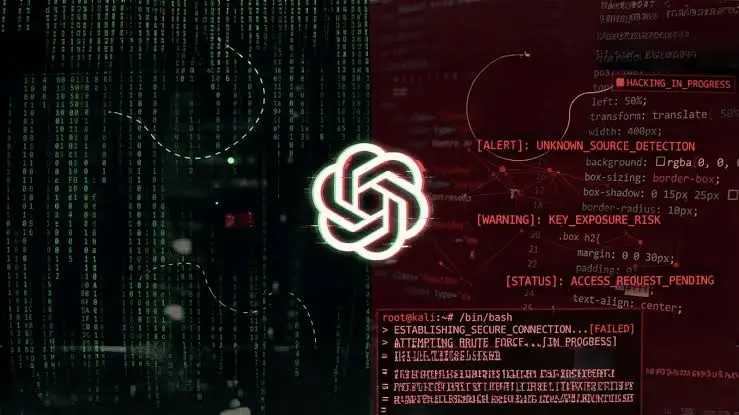
Threat actors are exploiting personalised ChatGPT Custom GPTs to execute a new social engineering campaign known as ClickFix. The campaign uses these specialised AI tools to impersonate legitimate products and trick users into executing malicious PowerShell commands on their devices.
Cybersecurity firm Huntress identified the campaign, reporting that at least 40 users have been infected. The attack relies on users discovering fraudulent Custom GPTs—such as one titled “Plus 5.6″—through sponsored search results on Google.
The ClickFix Infection Chain
Once a user interacts with a malicious Custom GPT, the tool provides a link to a Google Sites page. This page presents a fake notice claiming limited availability through a primary domain and instructs the user to use a “backup domain” to continue. The fake site often employs a Cloudflare CAPTCHA check to create a sense of legitimacy before instructing the victim to execute a specific PowerShell command.
This command initiates a multi-stage infection. In one identified version, the command downloads a malicious MSI file that abuses a legitimate, Canon-signed application to perform DLL sideloading. This version establishes persistence on the infected machine using a scheduled task disguised as a “Canon Configuration Reader.”
The infection also utilises a loader concealed within an audio file, designed to bypass security protections and perform system checks while displaying a fake loading window. The final payload in this chain is a Remote Access Trojan (RAT) capable of fetching and executing various types of malicious code.
Evolving Malware Tactics
Researchers observed that the threat actors are evolving their delivery methods. A second variation of the campaign switched from the audio file loader to a Microsoft NuGet package. This version also utilised a Stardock executable and a patched Stardock DLL to facilitate the infection.
The malware performs system fingerprinting and establishes communication with command-and-control (C&C) servers using DNS-over-HTTPS (DoH) through services including Cloudflare, Google, and Quad9.
OpenAI has taken down one of the identified malicious Custom GPT instances, though a second instance was discovered shortly after the initial removal. Users are advised to remain cautious of sponsored search results and unexpected instructions to run code via terminal or PowerShell windows.