



US Water Infrastructure Under Siege: New Iranian-Linked Hacking Spree Exposed

Share
A Coordinated Campaign Against Essential Services
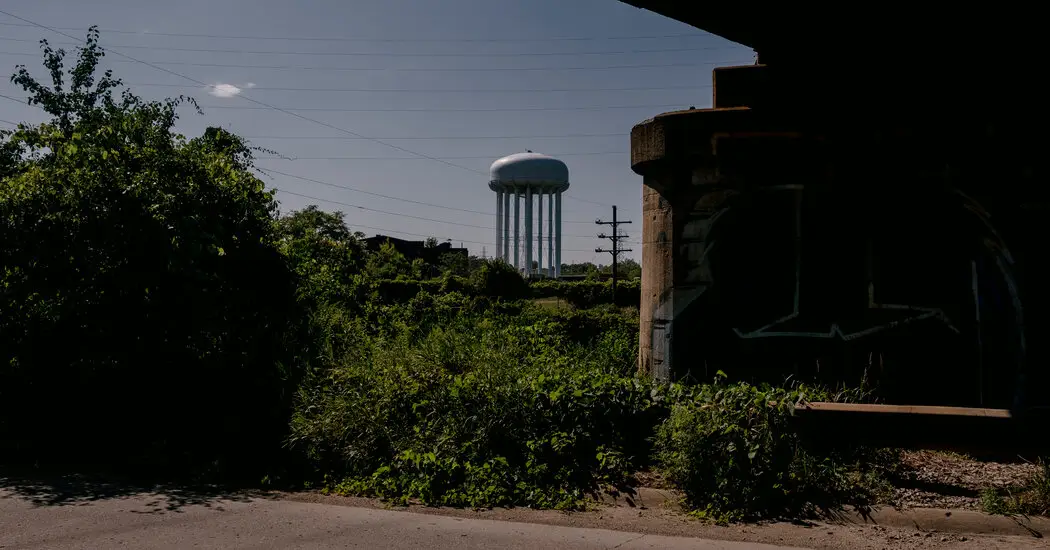
The security landscape for American utilities has shifted dramatically following reports that multiple water systems in Michigan and Georgia were compromised in an ongoing, multi-state cyber campaign. These incidents follow a pattern previously observed in Minnesota, signaling a sophisticated and coordinated effort to probe the digital defenses of critical water infrastructure hacking campaigns.
While officials in the affected states confirmed that public health and drinking water safety remained uncompromised, the intrusion into operational environments highlights a worrying trend. Nation-state actors are moving beyond mere reconnaissance, actively targeting the Industrial Control Systems (ICS) that govern how water is treated and distributed to millions of residents.
Tactical Shifts in State-Sponsored Attacks
Security researchers and government agencies have noted that these intrusions are distinct from typical financially motivated ransomware. Instead of seeking immediate payouts, these attackers appear focused on long-term access. By infiltrating operational networks, actors can map out existing vulnerabilities, move laterally across internal systems, and maintain persistent backdoors for future disruption.
The specific targeting of Programmable Logic Controllers (PLCs) is of particular concern. When these devices are compromised, attackers can manipulate physical processes. The risks include:
- Operational Shutdowns: Forcing plants offline by altering pump speeds or closing critical valves.
- Data Spoofing: Providing operators with falsified sensor data to hide ongoing tampering.
- System Lockouts: Changing authentication credentials to prevent facility staff from regaining control.
For a deeper look at how these threats affect the broader landscape of tech security, professionals must consider the difference between opportunistic cybercrime and the high-persistence tactics employed by state-affiliated groups.
The Critical Role of Hardening Infrastructure
The Cybersecurity and Infrastructure Security Agency (CISA) and the FBI have issued urgent advisories to water and wastewater utility operators. The guidance is clear: immediate action is required to decouple sensitive control hardware from the public internet.
| Security Measure | Strategic Goal |
|---|---|
| PLC Isolation | Eliminate direct internet-facing exposure of control devices |
| Credential Management | Implement strong, unique, and rotated passwords |
| Access Control Lists | Restrict communication to authorized network segments only |
| Operational Monitoring | Detect and alert on unauthorized status changes |
Beyond technical controls, the resilience of the water sector relies on collaborative defense. Smaller, rural providers often lack the dedicated data protection resources of larger metropolitan utilities. Strengthening collective resilience through threat-sharing partnerships is now a security imperative. As outlined in our privacy and data protection guides, small organizations must treat information sharing as a foundational layer of their defense posture.
The Evolving Threat Landscape
Evidence continues to link these campaigns to actors aligned with the Islamic Revolutionary Guard Corps (IRGC), specifically a collective known for targeting industrial technology. The persistence of these attacks indicates a strategic intent to hold US infrastructure as a long-term target, rather than a collection of isolated incidents.
For local governments and water authorities, the mandate is clear: the era of assuming ‘security by obscurity’ for critical hardware is over. Whether it is an issue of patching legacy software or moving to a zero-trust model for operational networks, the defensive strategy must evolve as quickly as the threat actor’s toolkit.
Conclusion
As the investigation into these attacks continues, the immediate focus for utility operators must be on rigorous network segmentation and heightened vigilance. Water infrastructure hacking is no longer a theoretical risk but an active threat to national stability. Organizations must prioritize the hardening of their digital perimeters to ensure that public services remain resilient against those seeking to compromise the essential systems that sustain our communities.















Leave a Reply