



The War on Surveillance: AI Camouflage vs. Automated License Plate Recognition

Share
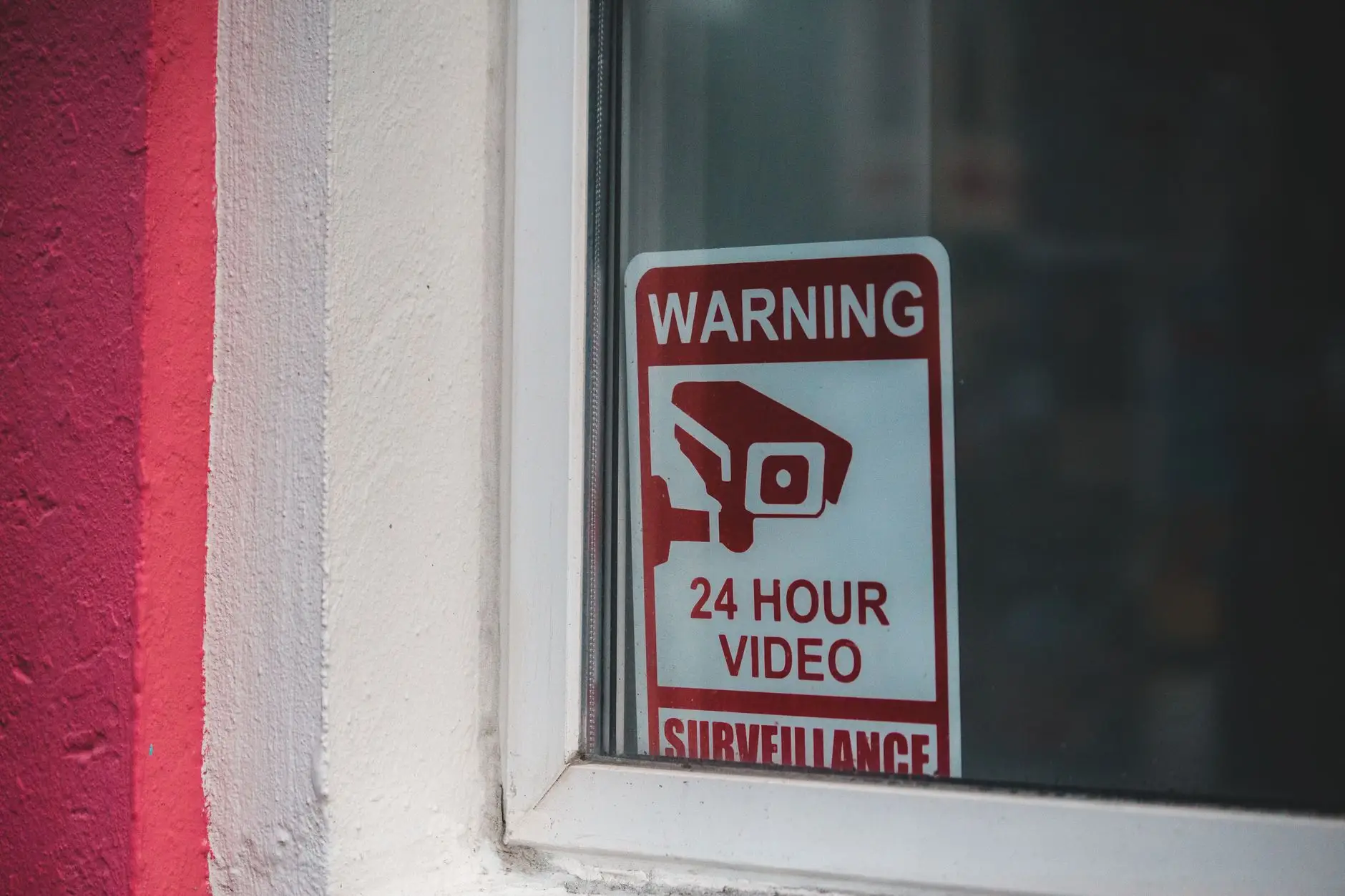
The proliferation of high-resolution, AI-powered automated license plate reader (ALPR) networks has triggered a quiet but intense arms race. As private surveillance infrastructure becomes a standard feature in residential and commercial areas, a growing movement of privacy advocates is seeking ways to opt out of the pervasive net of data collection. This pushback ranges from low-tech physical obstruction to advanced research into adversarial artificial intelligence designed to render specific surveillance systems blind.
The Growing Divide: Surveillance Networks and Public Privacy
At the center of this debate are automated systems like those provided by Flock Safety, which leverage machine learning to catalog vehicle movements, model types, and individual identifiers. Critics argue that this creates a constant, searchable record of private life without public oversight. This sentiment has led to direct action, including physical damage to equipment and legal battles over signage intended to create zones free from surveillance camera evasion attempts.
However, the technological approach to this issue is evolving. Rather than relying on simple obstruction, researchers are exploring how to exploit the underlying neural networks that power these detection platforms. By utilizing adversarial patterns—images or physical designs that specifically target the weights and parameters of a computer vision model—privacy advocates hope to make vehicles invisible to algorithmic eyes.
Tactical Approaches to Evading Modern Monitoring
Public discourse, particularly in online privacy communities, has cataloged a wide range of methods for avoiding identification. While some are purely speculative, others reflect a deepening understanding of how surveillance hardware functions. Common suggestions include:
- Physical Obfuscation: Modifying vehicle configurations, such as lowering tailgates or using temporary, rotating identification plates to prevent consistent logging.
- Spectral Manipulation: Utilizing high-intensity infrared emitters near plates to flood the camera sensors, aiming to wash out the image during low-light conditions.
- Adversarial Patterns: Applying specialized vinyl wraps or prints that contain algorithmic noise, intended to confuse the software’s object recognition capabilities.
- Structural Interference: Using physical barriers or positioning to break the camera’s line of sight to the vehicle’s identifying features.
| Method | Target Mechanism | Practical Risk |
|---|---|---|
| Physical Obscuring | Optical Recognition | Potential traffic citations |
| Infrared Flood | Sensor Saturation | Legal scrutiny/tampering |
| AI Camouflage | Neural Network | Complex implementation |
The Limits of Evasion
It is crucial for privacy professionals and individuals to recognize that these systems do not operate solely on license plates. Modern platforms build comprehensive vehicle fingerprints. This includes capturing unique body characteristics, dings, decals, and even facial recognition of the occupants. Obscuring a single data point, such as a plate, often fails to remove the vehicle from the broader database because the AI relies on multiple overlapping identifiers.
Furthermore, there is a significant legal landscape to navigate. Many jurisdictions have clear prohibitions against devices or modifications that intentionally obstruct plate visibility. Attempting to evade detection via hardware manipulation may lead to criminal charges, even if the primary motivation is a defense of personal privacy.
Evaluating AI-Based Camouflage
The most compelling, albeit experimental, development is the use of adversarial patterns designed to confuse the machine learning models directly. By targeting the on-device weights, researchers are attempting to prove that software vulnerabilities exist within the vision systems of security cameras. If successful, such patterns would represent a fundamental shift in privacy-focused counter-surveillance, moving away from simple hiding toward the active exploitation of detection failures.
As these technologies become more integrated into urban environments, the tension between data gathering and the right to anonymity will likely intensify. While adversarial design offers a glimpse into a future where individuals might regain a degree of visual privacy, the current reality remains one where technical workarounds are often temporary and legally precarious. The most effective long-term defense remains robust policy engagement and the enforcement of strict data protection standards governing how private companies collect and store information on the public.
Conclusion
While creative efforts to challenge automated surveillance systems continue to grow, the technological complexity of these networks makes total avoidance difficult. Security teams and individuals should prioritize understanding the legal implications of these evasion tactics while recognizing that until systemic limits are placed on data retention and processing, the focus may remain on the cat-and-mouse game of AI-driven visibility.














Leave a Reply