The Student Attendance App That Tracks More Than Attendance

Share
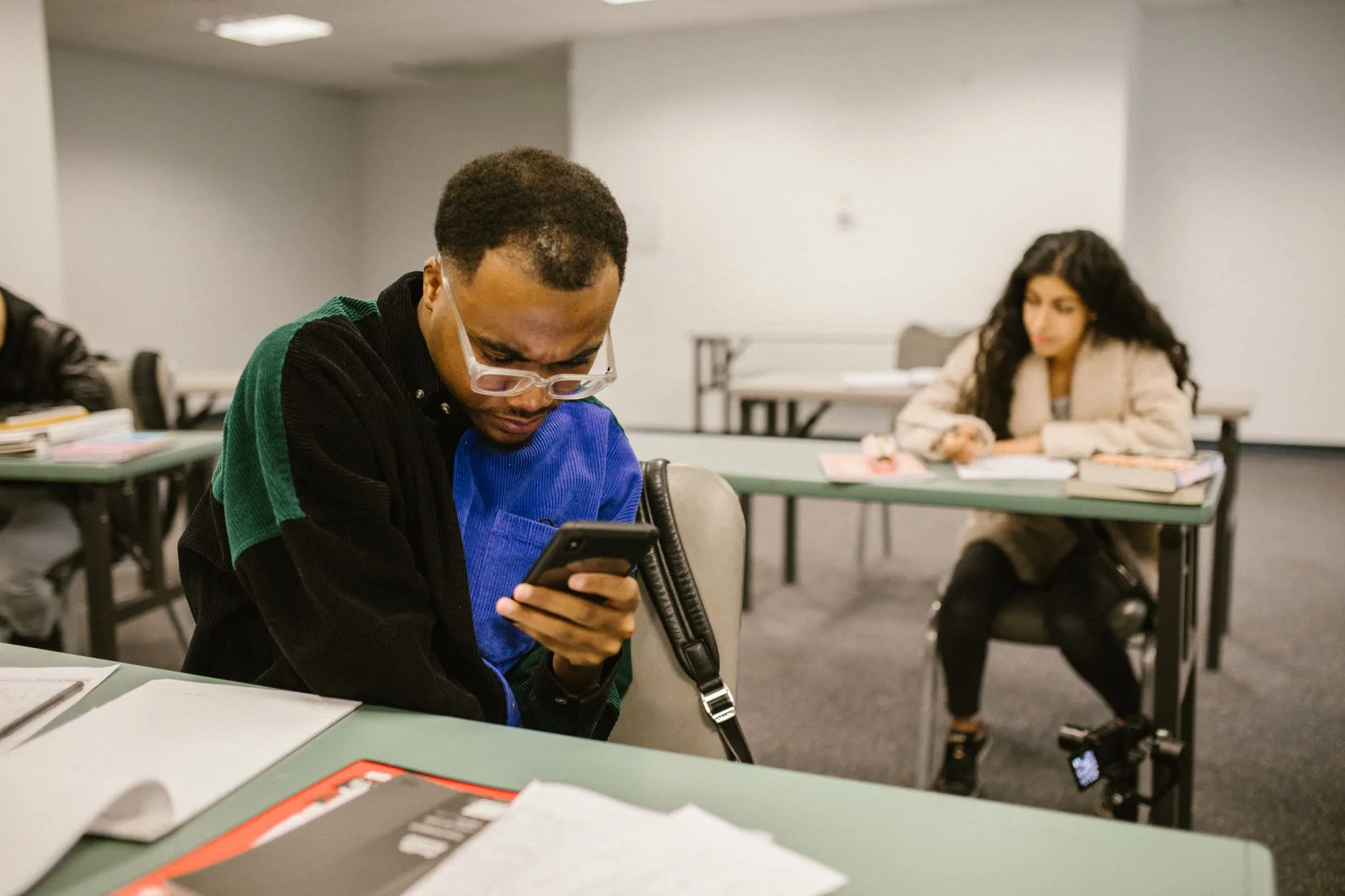
Across primary schools, universities, and coaching centers from Lagos to London, physical registers have been replaced by sleek mobile software. Teachers tap a screen, students scan QR codes, or facial recognition confirms physical entry. School administrators praise these tools for cutting administrative overhead and giving parents instant peace of mind. However, beneath the promise of modern efficiency lies a growing digital footprint. When deployed without rigorous oversight, a student attendance app tracks more than physical presence, often vacuuming up device identifiers, precise geolocation data, and persistent behavioural telemetry.
The Real-World Scenario: Convenience vs. Continuous Surveillance
Consider a typical university student in West Africa downloading the mandated campus verification utility to log their lectures. The prompt asks for standard permissions: camera access for facial check-ins, location services to verify they are on university grounds, and background storage access. Seems reasonable for fighting proxy attendance. Yet, an independent audit of similar educational software often reveals a different reality.
Many third-party software development kits (SDKs) embedded inside these applications harvest background data long after the lecture ends. Instead of logging attendance at 9:00 AM, the software may track student movements across the student union, surrounding residential areas, and commercial hubs. This comprehensive digital trail is then packaged, monetised, or shared with analytics vendors under broad, impenetrable terms of service agreements that minors and young adults rarely read or understand.
What Can Go Wrong When School Apps Over-Collect
Data minimization is a core tenet of modern data protection laws, yet educational technology vendors frequently violate it. When apps capture more data than necessary, several significant risks emerge:
- Location Tracking and Profiling: Continuous GPS tracking builds granular behavioural profiles of young people, creating digital dossiers that can persist for years.
- Inadequate Security Controls: Educational apps are frequently built on tight budgets with minimal cybersecurity hardening, making them prime targets for credential stuffing and data leaks.
- Forced Consent Dynamics: Students face an impossible choice: surrender their privacy or accept academic penalties for non-compliance.
- Secondary Monetisation: Collected telemetry can find its way into advertising networks, exposing students to targeted commercial manipulation.
Comparing Attendance Tracking Methods
| Tracking Method | Primary Benefit | Key Privacy Risk |
|---|---|---|
| Manual Roll Call | Zero digital tracking | Inefficient, prone to human error |
| Local QR Code Scan | Fast check-in | Device identifier logging |
| Always-On Geofence App | Automated verification | Continuous location monitoring |
Expert Perspectives on EdTech Surveillance
Privacy advocates and regulatory bodies have repeatedly warned that schools are inadvertently becoming surveillance vectors. As noted by consumer protection researchers, the commercialisation of student data creates lifelong digital footprints before young adults even enter the formal workforce. Regulatory frameworks like the Nigeria Data Protection Act (NDPA) and global equivalents place strict obligations on educational institutions as data controllers to vet every piece of software deployed in classrooms.
“Schools have a fiduciary duty of care towards students. Handing over young people’s telemetry to opaque software vendors without strict data processing agreements is an unacceptable compliance failure.”
— Senior Data Protection Researcher
Realistic Safeguards for Educational Institutions
Protecting students does not mean abandoning technology; it requires intentional compliance and strict technical safeguards. Institutions, developers, and parents must enforce baseline protections:
- Enforce Strict Data Minimisation: Apps must only collect what is strictly necessary to confirm attendance at the specific time and place of the class.
- Disable Background Tracking: Geolocation permissions must be restricted to active use only, completely disabling background pings when the student is not in class.
- Conduct Data Protection Impact Assessments (DPIAs): Schools must evaluate software vendors rigorously before campus-wide rollout.
- Provide Non-Digital Alternatives: Every student must have a private, penalty-free opt-out method that relies on manual registers rather than mandatory smartphone surveillance.
- Transparent Data Retention Policies: Attendance logs should be automatically purged at the end of each academic semester.
Frequently Asked Questions
Are attendance apps illegal under modern privacy laws?
They are not inherently illegal, but they violate data protection laws if they collect excessive data without valid, freely given consent or fail to implement robust security safeguards.
Can students refuse to install tracking software?
Under many regulatory frameworks, consent obtained through coercion or academic penalty is invalid. Schools should always provide a transparent manual alternative.
What should parents and student bodies look out for?
Review the app privacy policy for third-party SDKs, excessive permission requests, and vague statements regarding data sharing with commercial advertising networks.
Conclusion
Educational efficiency should never come at the cost of fundamental human rights. When a student attendance app tracks more than physical presence in a classroom, it shifts from an administrative utility into an invasive monitoring tool. By demanding transparent data practices, enforcing strict retention limits, and holding EdTech vendors accountable, schools can preserve both classroom order and student privacy.