



A QR Code on a Restaurant Table Can Line Up Trouble

Share
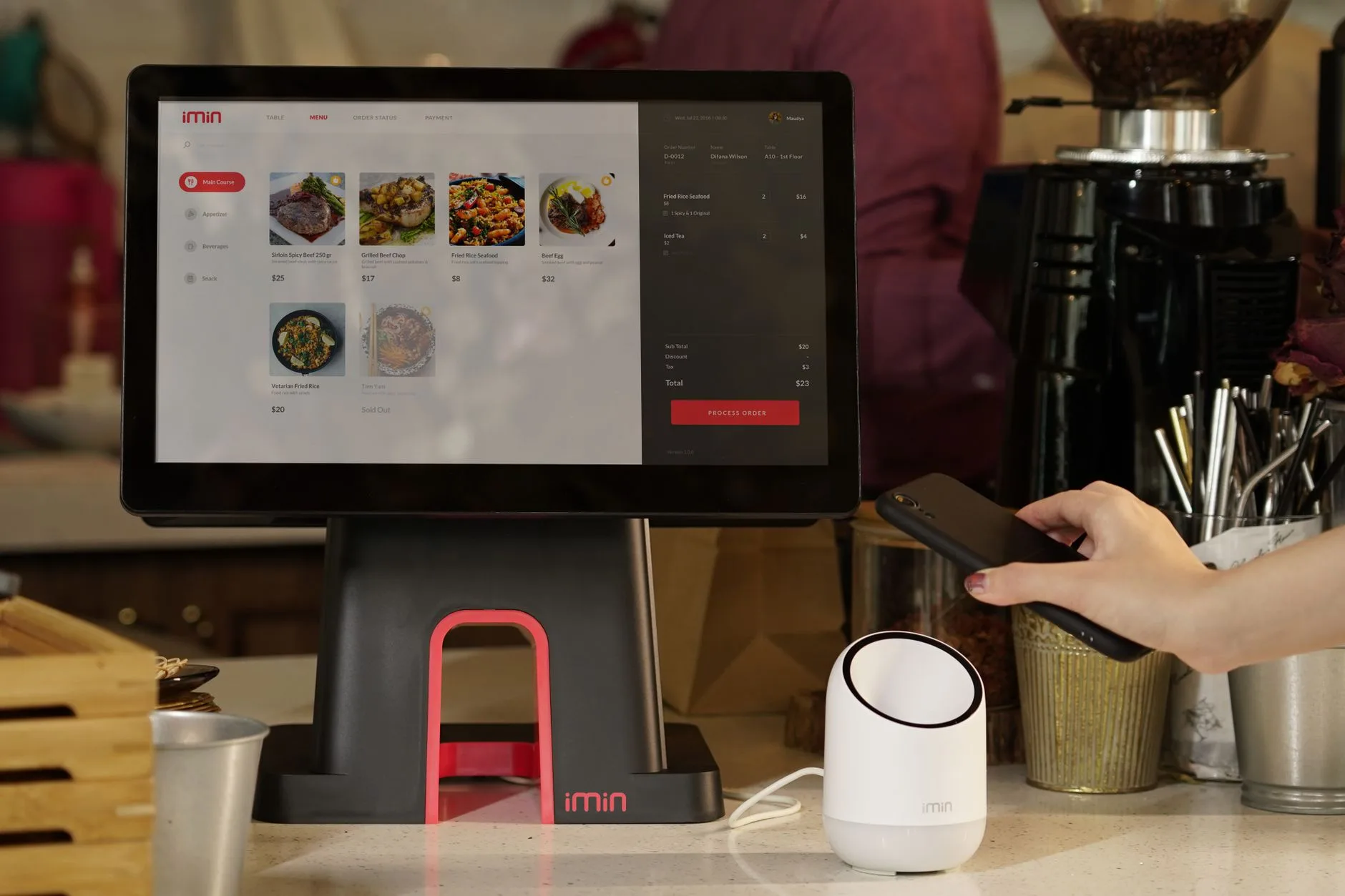
The Deceptive Simplicity of Modern Dining
It starts with routine hunger. You walk into a bustling bistro in Lagos, London, or New York, sit down at a polished wooden table, and spot a neat black-and-white square sticker. Instead of handing over a physical booklet, the waiter points to the square. You pull out your smartphone, open the camera, tap the glowing notification banner, and wait for the menu to load. But sometimes, a code restaurant table lead somewhere entirely unexpected, bypassing the restaurant kitchen entirely and landing you on a credential harvesting page or an unofficial payment gateway.
Quick Response codes have quietly woven themselves into the fabric of daily commerce. They bridge the physical and digital worlds with a single tap. Unfortunately, this convenience has caught the attention of opportunistic fraudsters. Cybercriminals understand that diners are relaxed, hungry, and conditioned to trust physical fixtures inside reputable establishments. This psychological comfort zone makes table stickers prime real estate for digital deception.
How Physical Tampering Unfolds in Real Life
Consider a realistic scenario documented by consumer protection analysts. A fraudster walks into an upscale cafe during a busy lunch hour. Carrying a pocketful of identical, professionally printed adhesive stickers featuring custom QR graphics, they casually cover the establishment’s genuine ordering code while pretending to check their phone or wait for a friend. Within minutes, every patron sitting at that table is interacting with an attacker-controlled infrastructure.
When an unsuspecting customer scans the fraudulent sticker, their device opens a malicious URL. This link might download an unverified APK file onto an Android device, trigger a browser-based tech support scare, or present a near-identical clone of the restaurant menu app. Crucially, the fake portal might prompt the user to input credit card details for a mandatory reservation fee, or harvest personal data under the guise of loyalty signup rewards. For businesses, this compromises brand reputation and exposes patrons to liability, violating basic data protection and consumer safety duties.
The Mechanics of QR Manipulation
From a technical standpoint, a barcode is merely a shortcut for a uniform resource locator or text string. Your camera does not evaluate the safety of the destination before opening it; it simply parses the encoded text and acts on it. Attackers exploit this blind trust through several distinct vectors, ranging from physical sticker overlays to compromised merchant domain accounts.
Law enforcement agencies, including the Federal Bureau of Investigation, have issued specific warnings regarding malicious code tampering, often referred to in security circles as quishing. According to the FBI scam advisory, cybercriminals manipulate both physical and digital codes to redirect traffic to malicious sites that steal credentials or financial information.
| Attack Vector | Mechanism | Potential Impact |
|---|---|---|
| Physical Overlay | Placing a sticker over genuine restaurant codes | Credential harvesting, malware installation |
| Domain Hijacking | Compromising the restaurant website URL redirection | Mass redirection of customer traffic |
| Third-Party App Fraud | Embedding fake billing portals in third-party menus | Unauthorized payment card charges |
Warning Signs Every Diner Should Watch For
Spotting a tampered digital shortcut requires active awareness. Because these attacks rely on social engineering, the warning signs are often subtle visual or behavioral anomalies. Understanding what to look for can protect your personal information and financial assets.
- Physical irregularities: Look closely at the sticker. If it feels like a label pasted over another sticker or shows peeling edges, exercise caution.
- URL mismatch: Before tapping to open the destination link, check the preview URL displayed by your phone camera or browser. Does the domain match the restaurant name, or is it a random string of characters or generic URL shortener?
- Unusual permission requests: If a digital menu demands access to your contacts, microphone, or demands an app download just to view soup options, close the browser immediately.
- Payment discrepancies: If you are asked to pay via an unverified third-party web form rather than the restaurant POS terminal or established payment processors, verify with staff.
Safeguards for Businesses and Consumers
Mitigating this risk requires vigilance from both ends of the dining experience. Restaurant operators and compliance teams must implement rigorous physical checks and technical controls to protect their patrons. Ensuring strict compliance with consumer protection laws involves securing all digital touchpoints just as tightly as physical cash registers.
Establishments should regularly inspect table stickers, preferably using engraved acrylic stands or laser-etched wooden blocks that cannot be easily covered by standard paper labels. Furthermore, technology teams should monitor destination URLs to ensure unauthorized redirects are flagged instantly.
Practical Action Steps
- Inspect table markers for signs of tampering, layering, or peeling edges.
- Review the destination URL preview carefully before confirming the browser action.
- Ask the waitstaff for a physical menu if anything about the digital portal feels suspicious.
- Never download unverified applications or enter sensitive banking passwords through a restaurant ordering page.
Frequently Asked Questions
Can scanning a malicious code infect my phone instantly?
While modern mobile operating systems require user interaction to install software, simply opening a malicious website can expose your browser to exploit kits or phishing forms designed to steal login credentials.
How can restaurants secure their ordering systems?
Restaurants should use secure, locked-down physical displays like engraved holders, regularly audit their table markers, and host menus on verified, HTTPS-secured domains with active monitoring.
Conclusion
Convenience should never outpace security. When a code restaurant table lead somewhere unexpected, the consequences can stretch from a minor annoyance to severe financial fraud. By staying observant, checking destination links, and demanding robust physical and digital safeguards from service providers, diners and business leaders alike can enjoy modern technology without falling victim to hidden traps.










Leave a Reply