Should Delivery Riders Keep Customers’ Phone Numbers After a Drop-Off?

Share
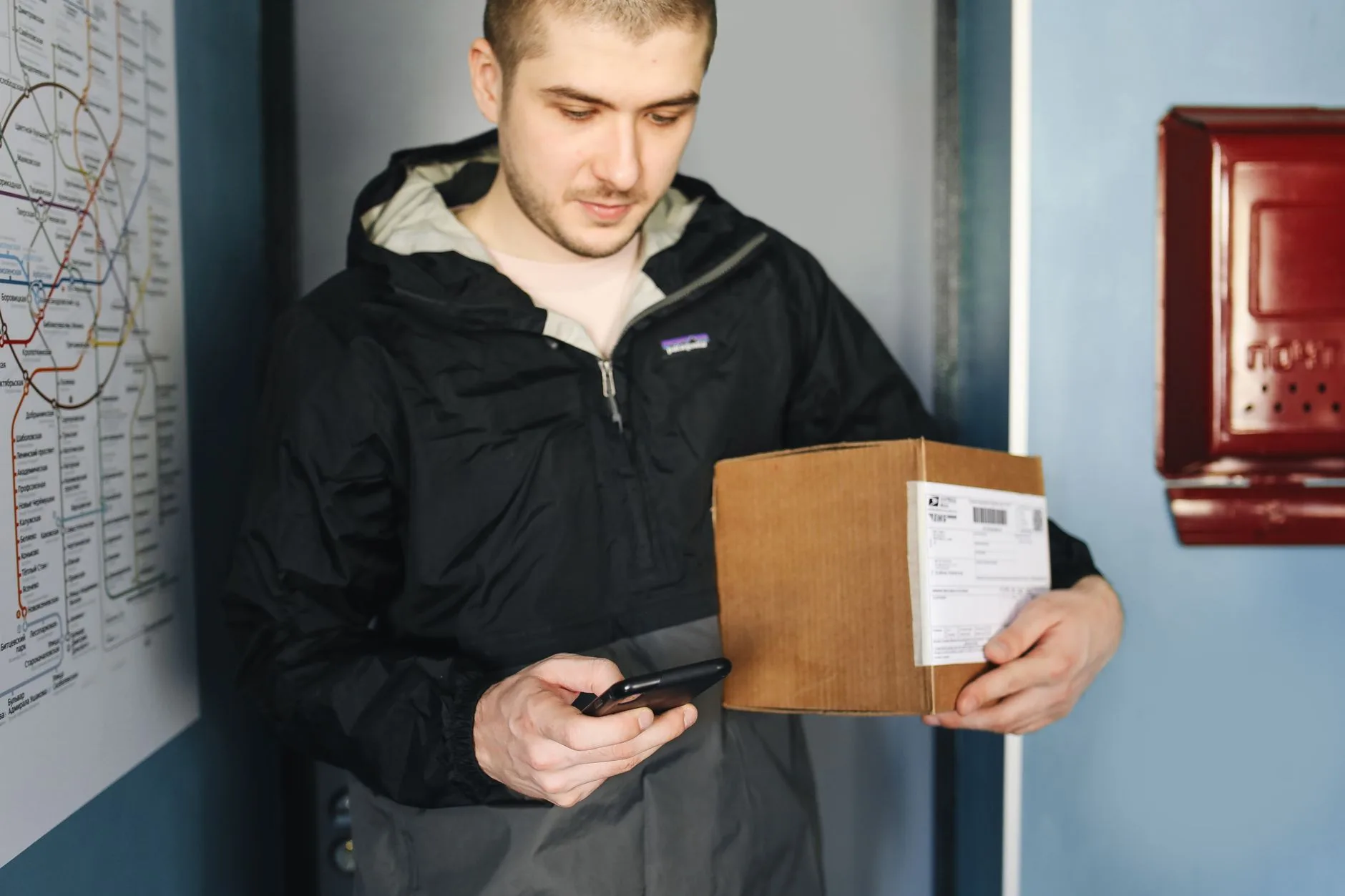
The Everyday Privacy Dilemma at Your Front Door
Picture this scenario. A customer in Lagos or London orders lunch through a popular food delivery app. Within thirty minutes, a delivery rider arrives, hands over the package, and leaves. Fast forward to the following week. The customer receives an unexpected WhatsApp message from that exact same phone number, not regarding the order, but initiating an unwanted personal conversation. This real-world scenario highlights a growing tension between logistical convenience and personal data privacy.
When delivery riders keep customers’ phone numbers long after a drop-off, it creates immediate friction with fundamental data protection principles. In many jurisdictions, telephone numbers are legally classified as personally identifiable information (PII). Allowing third-party workers persistent access to this sensitive data exposes everyday consumers to harassment, stalking, and unwarranted commercial solicitation.
This article explores whether delivery workers should retain these phone numbers, examines the regulatory obligations of logistics platforms, and provides actionable steps for both consumers and businesses to secure personal data.
Why Delivery Platforms Share Phone Numbers in the First Gate
To understand the problem, we must first look at why raw phone numbers are shared during last-mile logistics. Delivery operations are chaotic. GPS inaccuracies, obscure apartment numbers, and unresponsive intercoms mean riders frequently need to call customers directly to complete an order. In developing digital markets across Sub-Saharan Africa and Southeast Asia, unstable cellular networks and inaccurate mapping data make direct voice calls even more critical for successful drop-offs.
However, traditional phone sharing creates a permanent digital footprint. Once a rider saves a customer’s raw mobile number into their personal contacts or messaging apps, that data leaves the protective boundary of the platform. Under modern data protection frameworks, storing personal data longer than necessary for the explicit purpose it was collected violates the core tenet of data minimization.
The Regulatory and Security Risks of Retained Contact Data
Allowing independent contractors or full-time couriers to retain customer phone numbers introduces multiple vectors of risk. Privacy regulators globally emphasize that organizations are accountable for how third-party vendors and agents handle consumer information.
According to guidance from data protection authorities, failing to mask or restrict access to consumer contact details can trigger regulatory scrutiny. As noted in resources covering data minimization rules, collecting or retaining more personal data than strictly necessary increases vulnerability to data misuse and privacy violations.
| Risk Factor | Impact on Individual | Impact on Business |
|---|---|---|
| Persistent Phone Access | Unwanted calls, harassment, or personal safety risks | Reputational damage and loss of consumer trust |
| Data Re-use | Spam marketing messages from third-party vendors | Potential regulatory fines and compliance failure |
| Device Compromise | Exposition of customer lists if the rider’s phone is hacked | Data breach notification liabilities |
Technical Solutions: How Platforms Can Protect Consumer Numbers
Forward-thinking logistics companies are no longer leaving phone privacy to chance. They are implementing robust engineering solutions that completely eliminate the need for delivery riders keep customers phone numbers visible on personal devices.
- Masked Number Routing: Platforms use virtual phone number relay services. When a rider calls a customer, the system routes the call through an intermediate temporary number, keeping both parties’ real numbers hidden.
- In-App Chat Integration: Communication is restricted to an in-app messaging interface that deactivates automatically once the order status changes to completed or cancelled.
- Automatic Expiry Protocols: Backend systems purge call logs and proxy associations within a tight window, such as thirty minutes after delivery confirmation.
Balancing Operational Efficiency and Privacy Compliance
Business leaders and compliance teams often worry that tightening data security will slow down delivery times. However, industry data shows that privacy-enhancing technologies actually improve customer trust without hurting operational metrics. When customers feel secure sharing their location and phone details temporarily, platform engagement increases.
Compliance teams must review their vendor agreements and contractor guidelines. If a delivery partner routinely harvests contact details for personal use, the platform may face liabilities under local data privacy legislation, such as the Nigeria Data Protection Act (NDPA) or the European Union General Data Protection Regulation (GDPR).
For more insights on maintaining regulatory alignment across different markets, visit our guide on effective compliance strategies.
Practical Steps for Consumers and Riders
While technology platforms bear the primary responsibility for data governance, everyday users and workers can adopt sensible precautions.
- Use In-App Features: Whenever available, communicate via the delivery app’s built-in chat rather than giving out direct phone call instructions.
- Report Misuse: If a delivery rider contacts you after hours or for non-delivery reasons, block the number immediately and report the incident to the platform’s support team.
- Limit Personal Details: Avoid including sensitive home descriptions or personal schedules in delivery notes that remain visible long after drop-off.
- Rider Best Practices: Couriers should delete customer contacts immediately after order fulfillment to maintain professional boundaries and protect consumer privacy.
Frequently Asked Questions
Can delivery riders legally save customer phone numbers?
Generally, no. Most privacy laws prohibit processing personal data outside the specific, consented purpose of fulfilling the commercial transaction. Once the delivery is complete, the legal basis for holding that data expires.
How do proxy numbers protect privacy?
Proxy numbers act as a secure bridge. They allow callers to connect without revealing their actual phone digits, ensuring anonymity and preventing post-delivery contact.
What should I do if a rider harasses me after a delivery?
Block the number, take screenshots of the messages, and report the rider’s profile ID directly to the delivery platform’s safety department.
Conclusion
The convenience of modern on-demand delivery should never compromise personal safety or data privacy. Allowing delivery riders keep customers phone numbers indefinitely is an outdated practice that exposes consumers to unnecessary risks. By adopting masked routing technologies, strict in-app communication rules, and proactive data minimization policies, platforms can protect their users while maintaining efficient, trustworthy digital services.