Should Every Viral Video Come With a Consent Question?

Share
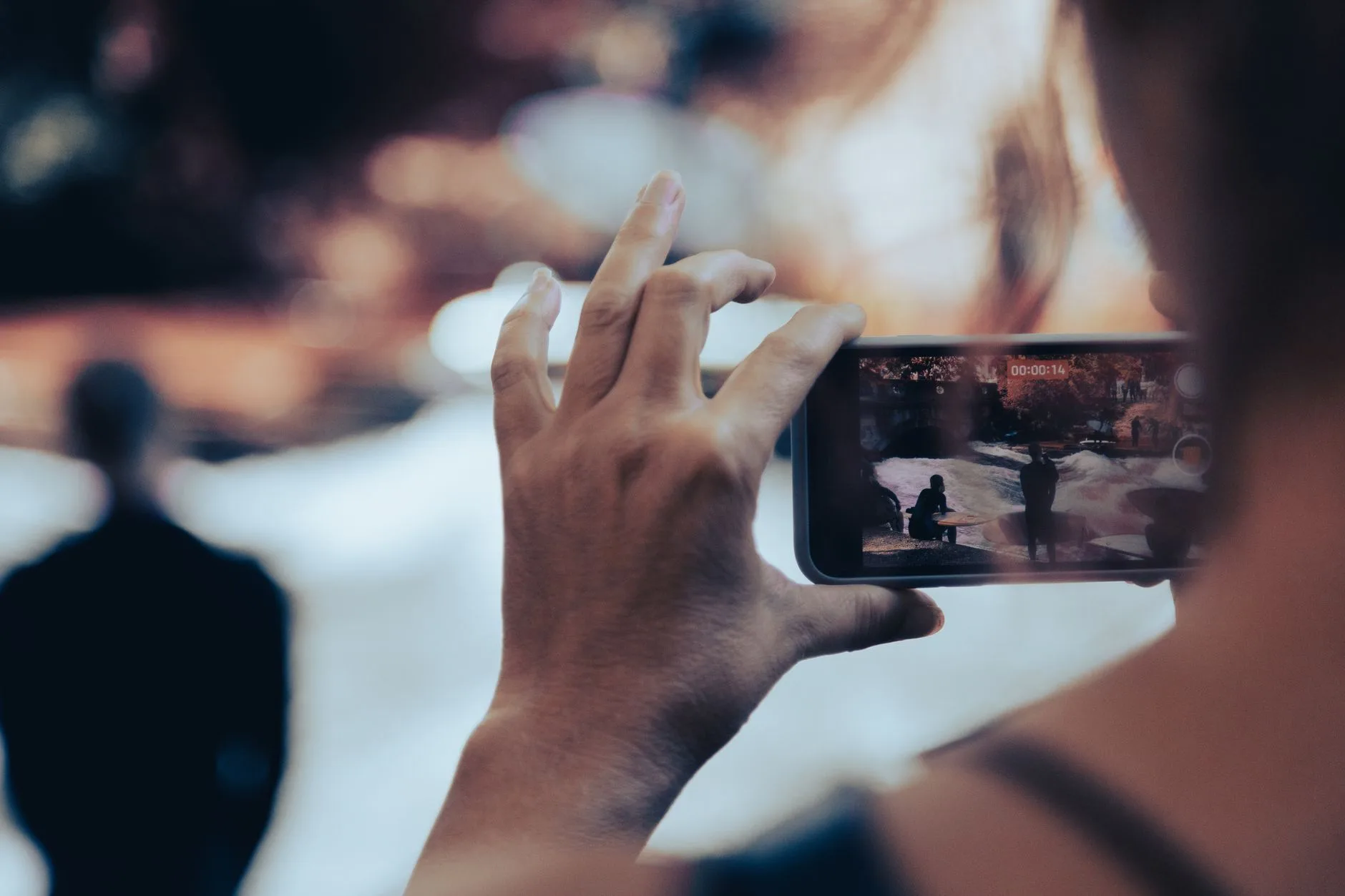
A street content creator approaches an unsuspecting commuter in Lagos, thrusts a microphone into their face, and asks a quirky trivia question. Within hours, the clip generates millions of views across TikTok, Instagram, and X. While the audience enjoys the momentary entertainment, the featured individual did not sign a release form, nor did they anticipate becoming an overnight internet meme. This digital scenario highlights a growing policy question: should every viral video come with a consent question before it reaches the public feed?
As digital platforms reward algorithmic reach and viral engagement, personal privacy frequently takes a back seat. Modern privacy legislation, including the Nigeria Data Protection Act (NDPA) and global frameworks such as the GDPR, strictly regulate how personal data is collected and processed. Yet, street pranks, unscripted interviews, and everyday surveillance continue to blur the lines between public visibility and private data rights.
The Privacy Paradox of Viral Culture
For years, internet culture operated under an informal understanding that public spaces are fair game for photography and recording. However, modern social media transcends traditional public broadcasting. A video recorded on a busy street corner in Abuja or London no longer stays on local television; it feeds global algorithms that profile users, monetize engagement, and store personal likenesses indefinitely.
From a legal and ethical standpoint, digital capture without explicit permission violates the core tenets of data protection. Data subjects possess fundamental rights regarding how their image, voice, and personal attributes are used by third parties. When content creators bypass prior consent, they expose individuals to reputational risks, psychological distress, and unauthorized commercial exploitation.
“Capturing human beings for algorithmic entertainment without clear, informed consent turns everyday citizens into unwilling digital commodities.” – Digital Rights Researcher
Legal regulators are beginning to take notice. Dr. Vincent Olatunji, National Commissioner of the Nigeria Data Protection Commission (NDPC), has repeatedly emphasized that organizations and content creators must respect individual autonomy when handling personal data, including audiovisual recordings collected in public environments.
The Argument For Mandatory Pre-Recording Consent
Implementing a standard rule where creators must ask a verified consent question offers several distinct advantages for individuals, businesses, and platform ecosystems:
- Protection of Vulnerable Groups: Minors, elderly citizens, and marginalized individuals often lack the media literacy to understand the permanent reach of viral platforms.
- Regulatory Alignment: Establishing mandatory consent protocols helps creators maintain strict compliance with regional data privacy laws.
- Restoration of Digital Trust: Clear communication prior to recording builds a healthier digital ecosystem based on mutual respect rather than exploitation.
Real-World Risks of Unconsented Media
The consequences of skipping the consent question extend beyond bruised egos. Consider the case of an innocent bystander captured in the background of a viral street confrontation. Stripped of context, their face becomes associated with aggressive behavior online, leading to workplace harassment or doxxing. Without an established audit trail proving that consent was obtained, platforms and creators expose themselves to significant legal liability.
| Traditional Approach | Consent-First Approach |
|---|---|
| Record first, ask questions later | Obtain verbal or written consent upfront |
| Delete video only after public backlash | Respect opt-out requests instantly |
| Assume public places negate privacy rights | Acknowledge individual data subject rights |
Navigating Practical Challenges for Content Creators
Critics of mandatory consent argue that adding a formal hurdle stifles spontaneous journalism, street comedy, and documentary filmmaking. They suggest that forcing creators to pause every interaction for formal sign-offs kills authenticity.
However, responsible digital storytelling does not require bureaucratic friction; it requires basic digital courtesy. Content creators can easily integrate a standard consent check into their workflow without ruining the entertainment value of their content.
Actionable Steps for Ethical Media Creation
- T
- State Intent Clearly: Inform participants immediately that the recording will be published on commercial social media channels.
- Offer an Opt-Out: Give individuals a straightforward opportunity to decline or request pixelation before posting.
- Maintain Records: For commercial or brand-sponsored content, secure signed digital release forms to satisfy regulatory audits.
- Respect Platform Tools: Utilize built-in blurring and privacy features if an individual later revokes their consent.
Frequently Asked Questions
Does walking in a public space mean I give up my privacy rights?
No. While public photography is generally permissible, using an identifiable individual’s image for commercial gain or algorithmic distribution without consent often violates modern data protection regulations.
How does the NDPA apply to social media videos in Nigeria?
The Nigeria Data Protection Act applies whenever personal data, including identifiable video footage, is processed by automated means or intended for commercial filing systems.
Conclusion
The question of whether every viral video should come with a consent question is no longer just an ethical debate; it is a vital compliance and human rights issue. As digital platforms continue to expand their reach, balancing creative freedom with individual data autonomy is essential. By treating every subject with respect and embedding consent into the heart of digital creation, creators and platforms can build a safer, more sustainable digital future.