



Should Parents Stop Posting Children’s Embarrassing Moments?

Share
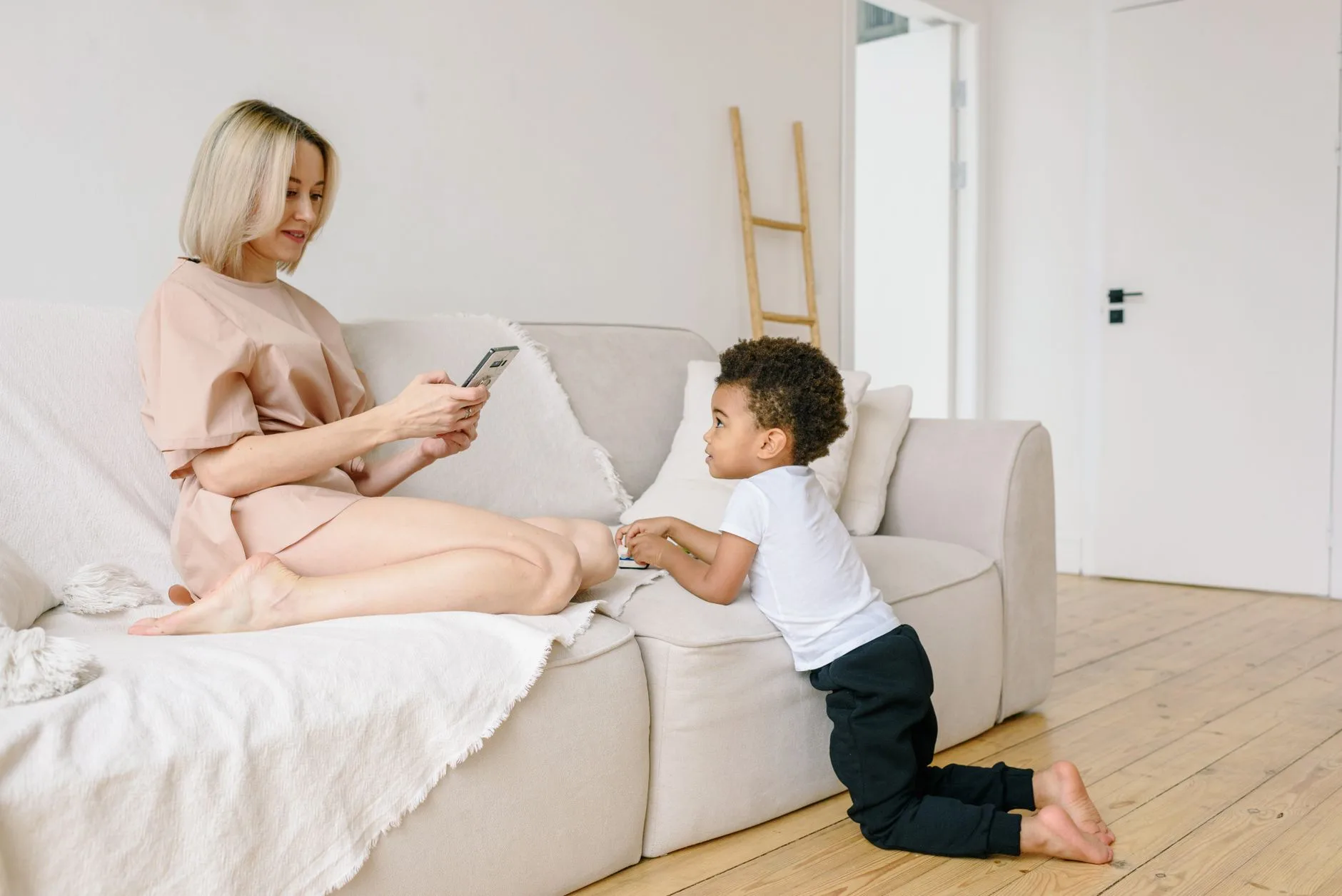
A video of a toddler having a meltdown in a supermarket in Abuja goes viral. The caption reads, “Typical Monday! Lol!” Within hours, the clip has thousands of likes, shares, and laughing emojis. For the parent, it is a relatable, funny moment of parenting struggle. For the child, it is the first entry in a lifelong, unchangeable, and unconsented digital record.
This phenomenon, known as “sharenting,” has transformed the way we document childhood. While the intention is usually connection and community, the reality is a complex web of privacy risks and ethical dilemmas. As digital literacy grows, the conversation is shifting from “is this cute?” to a more serious question: should parents stop posting children embarrassing moments?
The Hidden Cost of Sharenting: Why Experts are Concerned
The core of the issue lies in a fundamental principle of data protection: consent. A toddler cannot understand the implications of a video being uploaded to a global platform. They cannot grasp that a video of them crying or in a state of undress could be scraped by AI, archived by bad actors, or viewed by a future employer.
When parents share these moments, they are essentially making a permanent decision for a person who has no voice in the matter. This creates a “digital shadow” that follows the child into adulthood. Unlike a physical photo album kept in a living room, digital content is searchable, permanent, and often beyond the parent’s control once it hits the internet.
“A child’s digital identity is being built by others before they can even hold a spoon. We are creating a world where children have no right to a private beginning.” — Privacy Advocacy Researcher
Beyond the philosophical debate, there are tangible cybersecurity and safety risks that every parent must consider.
The Primary Risks of Over-sharing
- Identity Theft: Information shared in “cute” posts—such as a child’s full name, birth date, school uniform, or location—can be harvested by bad actors to build profiles for identity fraud.
- Cyberbullying: What a parent sees as a “funny tantrum,” a peer might see as a target for mockery. Once a video is out, the child becomes vulnerable to online ridicule that they cannot escape.
- Reputational Damage: We live in an era of background checks. A video of a child behaving poorly or being undressed can resurface years later, affecting university admissions or job opportunities.
- Predatory Behavior: Unfortunately, the internet is not a safe space. Oversharing details about a child’s routine or location makes them vulnerable to those with malicious intent.
A Balanced View: Connection vs. Consent
It is important to acknowledge why parents do this. In a fast-paced world, social media provides a sense of belonging and a way to share milestones with distant family members. In many cultures, including across Nigeria, sharing family updates is a central part of social cohesion.
The goal is not to advocate for total digital isolation, but for digital intentionality. The distinction lies in the nature of the content. There is a vast difference between a photo of a child’s graduation and a video of a child in a vulnerable or embarrassing state.
| Content Type | Risk Level | Impact Assessment |
|---|---|---|
| Milestones (Graduation, Birth) | Low | Generally safe; provides positive digital footprint. |
| Standard Portraits | Low | Minimal risk if location/sensitive data is hidden. |
| Funny/Messy Moments | Medium | Could lead to mild future embarrassment. |
| Tantrums, Nakedness, or Distress | High | Significant risk to dignity, safety, and reputation. |
Case Study: The “Tunde” Scenario
Consider the case of “Tunde,” a hypothetical 16-year-old living in Lagos. When Tunde was four, his father posted a video of him having a massive, screaming meltdown in a mall because he couldn’t have a specific toy. The video was a hit, garnering millions of views.
Fast forward twelve years. Tunde is applying for a prestigious leadership scholarship. During the digital vetting process, the scholarship committee finds the video. While the video is harmless in intent, it projects an image of emotional instability that, in a high-stakes environment, creates a subconscious bias. Tunde has no way to remove that video because it has been re-uploaded by dozens of different accounts. This is the reality of the digital footprint created by sharenting.
The Practical Takeaway: A Parent’s Digital Safety Checklist
If you are a parent, you do not need to stop sharing your life entirely, but you should adopt a mindset of compliance with your child’s future privacy rights. Before you hit “post,” run through this mental checklist:
- The 10-Year Test: Would my child be comfortable with this video being seen by their boss, their spouse, or their peers in ten years?
- The Consent Check: Even if they are too young to talk, am I respecting their dignity in this moment?
- The Identification Check: Does this post reveal their school, their home location, or their full legal name?
- The Vulnerability Check: Is my child in a state of undress, or are they experiencing a private moment of distress? (If yes, do not post).
- The Privacy Setting Check: Am I posting this to a public profile or a restricted group of trusted family members?
Frequently Asked Questions (FAQ)
Can I delete photos after I have posted them?
You can delete them from your account, but you cannot control whether someone else has downloaded or screenshotted the content. Once it is online, it is effectively permanent.
Is it illegal to post photos of my children?
In most jurisdictions, it is not illegal, but it may conflict with emerging data protection principles, such as those found in the UNICEF guidelines on children’s rights in the digital age, which emphasize the child’s right to privacy.
What about private WhatsApp groups?
While safer than public platforms like Instagram or TikTok, content shared in private groups can still be leaked or forwarded. Treat private groups with a high level of caution.
Conclusion
The question is not whether parents should be allowed to share their joy, but how they can do so without compromising their children’s future. As we become more aware of the nuances of data privacy and digital rights, we must recognize that our children are not just extensions of our social media profiles—they are individual data subjects with an inherent right to privacy. Ultimately, deciding that parents stop posting children embarrassing moments is an act of respect for a child’s future autonomy and digital safety.










