Can You Screenshot a Private Story if You’re on the Close Friends List?

Share
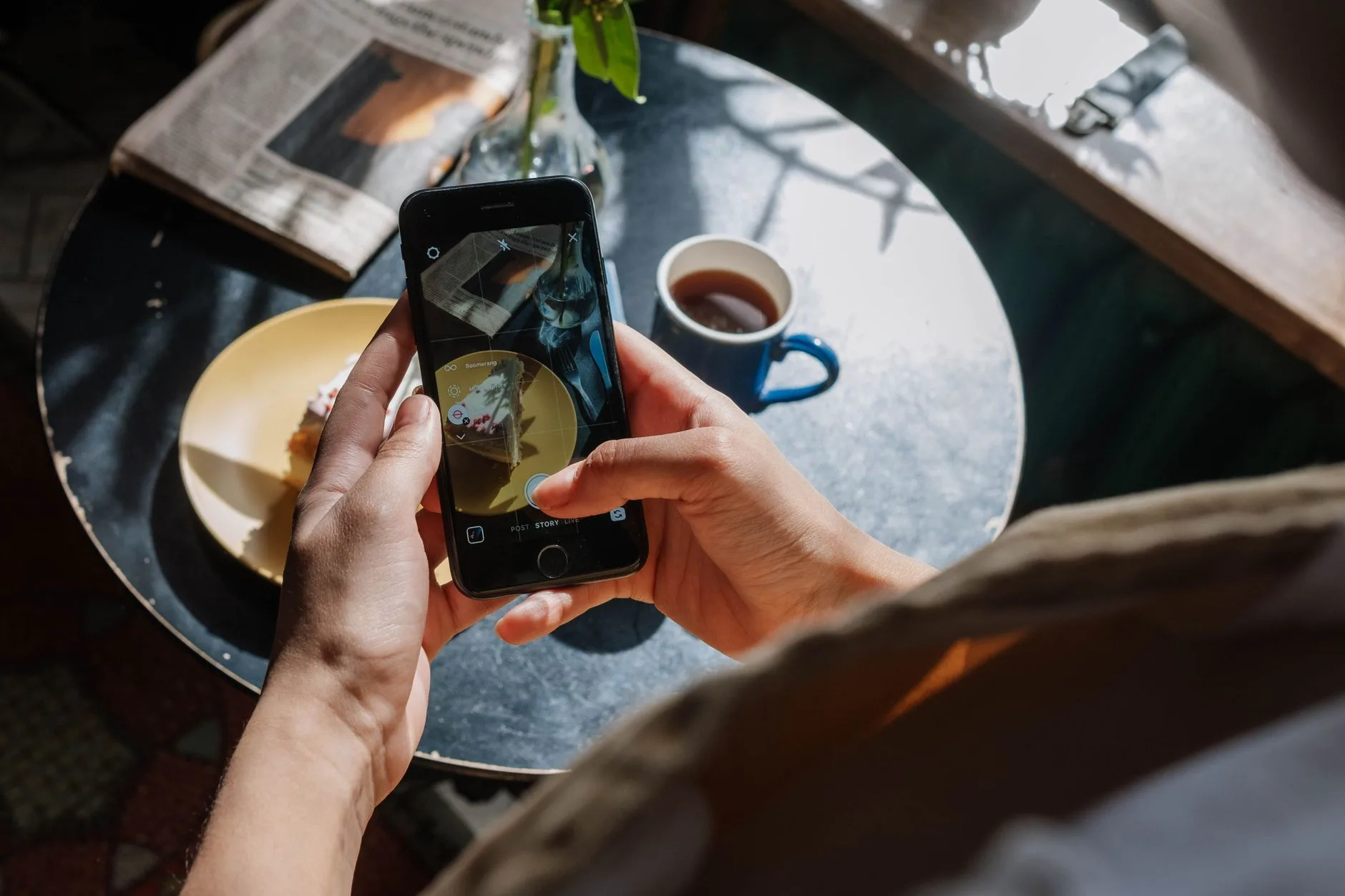
In the bustling social circles of Lagos, where ‘gist’ can travel faster than a Danfo driver in rush hour, the concept of a ‘private’ digital space is often a fragile illusion. You might be part of a curated inner circle on Instagram, feeling the security of a ‘Close Friends’ list, only to wonder: if I take a screenshot of this, will they know?
The question of whether you can screenshot private story close friends content is more than just a technical inquiry; it is a gateway into the complex intersection of platform design, digital ethics, and the evolving legal definitions of privacy. While the technical answer is a resounding ‘yes,’ the ethical and legal consequences are far more nuanced.
The Technical Reality: The Notification Gap
To answer the core question directly: on most major social media platforms, including Instagram, you can screenshot a Close Friends story without the creator receiving a notification. This creates a significant gap between user expectation and platform functionality.
Unlike Snapchat, which was built on the principle of ephemerality and actively notifies users of screenshots, Instagram operates on a model where ‘ephemeral’ content is merely a temporary display. The platform does not currently trigger an alert when a viewer captures a still image of a story. This technical loophole allows for the silent capture of content that was intended for a highly restricted audience.
Platform Comparison: Screenshot Notifications
Understanding how different platforms handle this is crucial for anyone managing their digital footprint. The following table outlines the current landscape:
| Platform | Notifies on Story Screenshot? | Primary Privacy Mechanism |
|---|---|---|
| No | Close Friends List | |
| Snapchat | Yes | Ephemeral Messaging/Disappearing Media |
| WhatsApp (Status) | No | Contact-based Privacy Settings |
The Privacy Paradox: Expectation vs. Reality
In the world of privacy research, we often discuss ‘contextual integrity.’ This concept, famously championed by scholar Helen Nissenbaum, suggests that privacy is not just about keeping secrets, but about the appropriate flow of information within a specific context.
When a user posts to a ‘Close Friends’ list, they are establishing a specific context. They are signaling to their audience: “This information is for this specific group, in this specific moment.” When someone performs a screenshot private story close friends action, they are effectively stripping that information of its context and preparing it for a different, often broader, environment. This is where the violation occurs—not in the mechanical act of pressing buttons, but in the breach of the social contract.
“Privacy is not about hiding something; it is about the power to selectively reveal oneself to the world.” — Common privacy advocacy sentiment.
For business leaders and professionals, this distinction is vital. A leaked screenshot from a ‘private’ circle can lead to reputational damage that is difficult to repair, even if the technical act was permitted by the platform’s architecture.
Real-Life Scenario: The Professional Fallout
Consider the case of ‘Tunde,’ a mid-level manager at a tech firm in Abuja. Tunde uses his Instagram Close Friends list to share candid, humorous, and occasionally frustrated rants about his workplace. He feels safe because his list only contains ten trusted colleagues.
One evening, Tunde posts a particularly sharp joke about a new company policy. A colleague, who is also on the list, screenshots the story and shares it in a larger departmental WhatsApp group. Within hours, Tunde is called into a meeting with HR.
Technically, the colleague did nothing the app ‘forbade.’ However, the breach of trust and the unauthorized redistribution of content led to significant professional consequences. This scenario highlights why understanding your data protection implications is essential for everyone in the digital age.
Legal Implications: NDPA and the Law
Does the law protect you if someone screenshots your private story? This is a grey area that is rapidly changing. In Nigeria, the Nigeria Data Protection Act (NDPA) and similar global frameworks like the GDPR focus heavily on the purpose limitation and consent principles.
If an individual shares personal data (which includes images and videos of themselves) within a specific, limited group, there is an implied limitation on how that data should be used. While a single screenshot might not trigger a massive regulatory fine, the systematic sharing of screenshots to harass, stalk, or defame an individual could move into the realm of legal liability under privacy and cybercrime laws.
For organizations, ensuring that employees understand the boundaries of digital conduct is a key component of maintaining compliance and digital trust. The unauthorized distribution of internal or personal information, even if captured via social media, can constitute a breach of corporate policy and, in extreme cases, legal statutes.
Practical Takeaways for Users
Whether you are the person posting or the person viewing, here is how to navigate this digital minefield:
For the Content Creator (The Poster)
- Assume Nothing is Private: Even on a Close Friends list, operate under the assumption that anything you post could be screenshotted and shared.
- Vary Your Circles: Do not rely on a single ‘private’ list for highly sensitive information. Use encrypted messaging apps for truly confidential discussions.
- Audit Your Lists: Regularly review who is on your Close Friends list. People change, and so do levels of trust.
For the Viewer (The Audience)
- Respect the Context: Just because you can screenshot does not mean you should. Respect the digital boundaries set by your peers.
- Think Before You Share: Once you screenshot and share, you lose control of that information. You become a participant in the breach of privacy.
- Understand Platform Limits: Be aware that platforms like Instagram do not provide a safety net of notifications.
As digital landscapes continue to evolve, as discussed by organizations like the Electronic Frontier Foundation, the responsibility for privacy often shifts from the platform to the individual user. The ability to screenshot private story close friends content is a tool; how you use it defines your digital character and your legal standing.
Frequently Asked Questions
1. Does Instagram notify me if someone screenshots my story?
No, Instagram does not currently send notifications to users when their stories (including Close Friends stories) are screenshotted.
2. Is it illegal to screenshot someone’s private story?
While the act of screenshotting itself may not be a crime in many jurisdictions, using that screenshot to harass, bully, or distribute private information without consent can lead to legal action under privacy or defamation laws.
3. How can I prevent people from screenshotting my content?
Currently, there is no foolproof way to prevent screenshots on platforms like Instagram. The best defense is to be selective about what you post and who you include in your Close Friends list.
Conclusion
The technical ability to screenshot private story close friends content exists, but it remains a significant ethical minefield. In an era where digital footprints are permanent, the distinction between what is ‘technically possible’ and what is ‘socially and legally acceptable’ has never been more important. Protect your privacy by being intentional with your content, and protect your reputation by being respectful of the digital boundaries others have set.