



Why SMS Banking Codes Are Not a Perfect Security Shield

Share
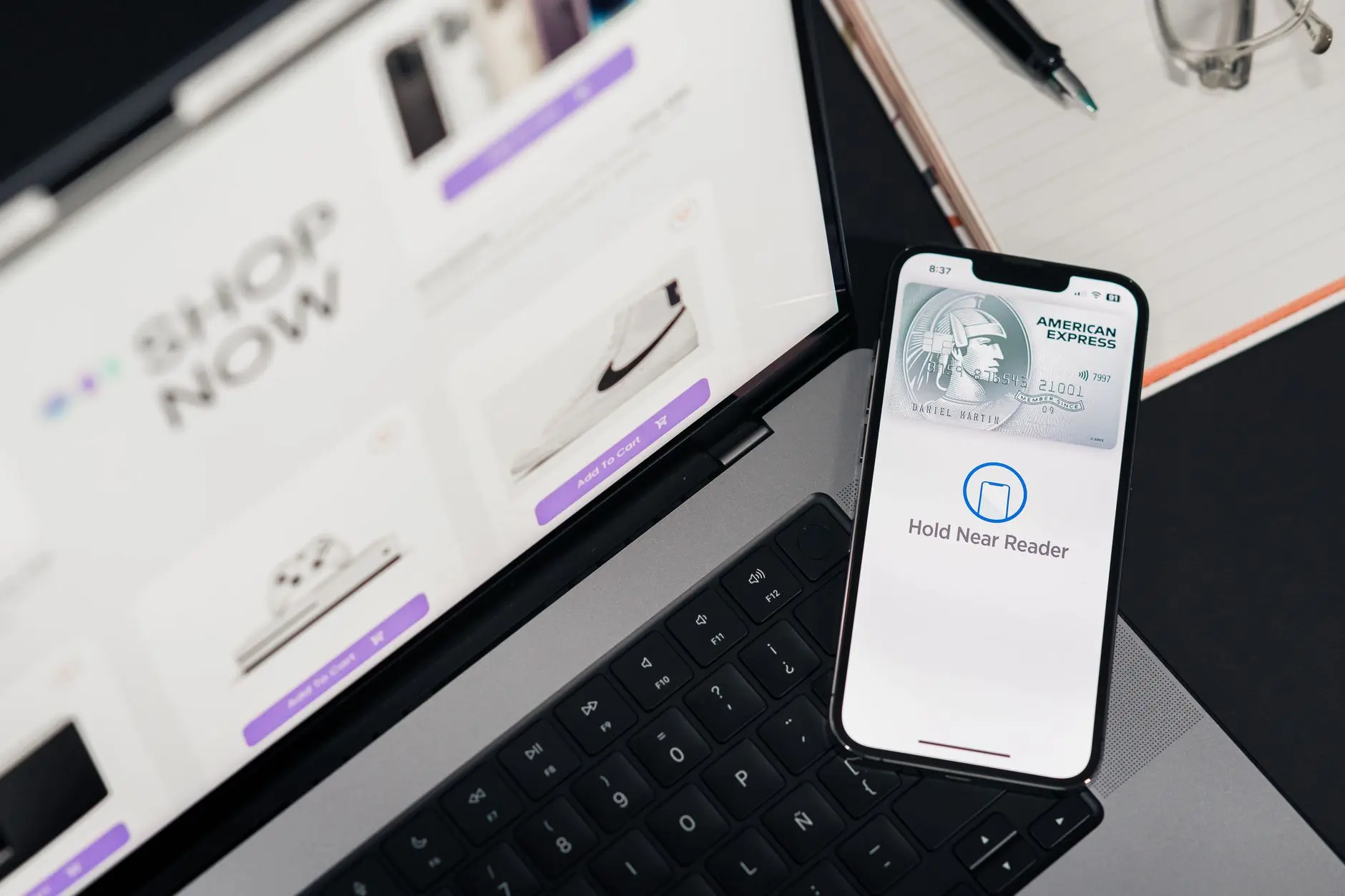
Imagine receiving a text message that feels like a security guard, only to realize it was actually a key handed directly to a thief. This is the paradox of the One-Time Password (OTP) sent via SMS. For millions of users globally, and particularly in mobile-first economies like Nigeria, a text code is the final line of defense between a hacker and a life savings account. However, relying on this single mechanism is a dangerous gamble because sms banking codes not perfect for high-stakes financial protection.
The Illusion of the Secure Text
Multi-factor authentication (MFA) is widely accepted as a best practice. However, not all MFA methods are created equal. SMS-based authentication was designed for convenience, not for hardened security. It operates on legacy telecommunications protocols that were built decades ago, long before the era of sophisticated cyber warfare and organized digital fraud. When a bank sends a code via SMS, they are essentially trusting the entire global telecommunications infrastructure to keep that message private and intact. In the world of cybersecurity, trusting an unencrypted, aging infrastructure is a massive strategic error.
While SMS codes provide a layer of protection against simple password theft, they do nothing to stop attackers who have moved up the stack to target the network itself or the user’s identity through social engineering.
Three Primary Vulnerabilities: Why SMS Fails
To understand why security professionals are moving away from SMS, we must examine the three primary ways these codes are compromised.
1. SIM Swapping: The Identity Hijack
SIM swapping is perhaps the most prevalent threat in regions with high mobile banking adoption. In this scenario, the attacker does not hack your phone; they hack your relationship with your mobile carrier. By using social engineering—often posing as you to a customer service representative—the attacker convinces the carrier to port your phone number to a SIM card in their possession. Once the swap is complete, your phone loses service, and every SMS banking code intended for you begins arriving on the attacker’s device. This bypasses data protection measures by essentially stealing the digital identity linked to that number.
2. SS7 Exploitation: The Network-Level Interception
For the more technically advanced attacker, the vulnerability lies in Signaling System No. 7 (SS7). SS7 is a set of protocols used by telecommunications networks to communicate with each other, manage roaming, and route calls. Because SS7 was designed with an implicit trust model, it lacks modern authentication. Researchers have demonstrated that attackers can exploit SS7 vulnerabilities to intercept SMS messages globally, often without the user or the service provider ever knowing a breach has occurred. This is a systemic risk that exists independently of user behavior.
3. Smishing and Social Engineering
Even if the network is secure, the human element remains the weakest link. “Smishing” (SMS Phishing) involves attackers sending fake urgent messages—perhaps claiming your account has been locked—to trick you into visiting a fraudulent site. Once there, you are prompted to enter your credentials and the OTP you just received. The attacker captures the code in real-time and uses it to authorize a fraudulent transaction before the code expires.
“The use of SMS for multi-factor authentication is increasingly viewed as a legacy approach that does not meet the high-assurance requirements of modern digital identity management.” — Industry Cybersecurity Standard Consensus
Real-Life Scenario: The ‘Helpful’ Bank Official
Consider a common scenario observed by fraud analysts: A user in Lagos receives a call from an individual claiming to be from their bank’s fraud department. The caller sounds professional and insists that a suspicious transaction is pending. To “cancel” the transaction, the caller tells the user, “I am sending a verification code to your phone now; please read it back to me to confirm your identity.”
The user, feeling a sense of urgency, reads the code. In reality, the attacker was in the middle of initiating a transfer and needed that exact code to authorize the movement of funds. The SMS code was not a shield; it was the very tool the attacker used to complete the heist.
Comparing Authentication Methods
For business leaders and compliance teams, understanding the hierarchy of authentication is vital for implementing proper compliance frameworks. The following table outlines the trade-offs between common methods:
| Authentication Method | Ease of Use | Security Level | Primary Risk Factor |
|---|---|---|---|
| SMS OTP | Very High | Low | SIM Swapping, SS7 Interception, Phishing |
| Authenticator Apps (TOTP) | High | Medium/High | Device Theft, Malware, Device Loss | Push Notifications (App-based) | High | High | MFA Fatigue (User clicking ‘Allow’ too often) |
| Hardware Security Keys (FIDO2) | Medium | Very High | Physical loss of the key |
The Business and Regulatory Implications
For fintech founders and technology teams, the realization that sms banking codes not perfect means a shift in product roadmap priorities. Regulators are increasingly looking toward Strong Customer Authentication (SCA) standards. Relying solely on SMS can lead to:
- Increased Fraud Liability: If a platform is found to be using outdated authentication methods, they may be held liable for losses resulting from predictable attack vectors like SIM swapping.
- Regulatory Friction: As frameworks like the GDPR and various local data protection laws evolve, the emphasis on “security by design” makes SMS-only models harder to justify.
- Erosion of Digital Trust: Frequent breaches caused by intercepted codes damage the brand reputation and user confidence in the digital economy.
Actionable Steps for Protection
For Individuals
- Move to Authenticator Apps: Whenever possible, use apps like Google Authenticator, Microsoft Authenticator, or the banking app’s built-in push notifications instead of SMS.
- Set a SIM PIN: Contact your mobile provider to set a PIN on your SIM card to prevent unauthorized transfers to other devices.
- Practice Extreme Skepticism: Never, under any circumstances, share an OTP with anyone over the phone, even if they claim to be from your bank.
For Organizations
- Adopt FIDO2/WebAuthn: Move toward hardware-backed or device-bound authentication for high-privilege users and high-value transactions.
- Implement Behavioral Analytics: Supplement authentication with signals like IP reputation, geolocation, and typing patterns to detect anomalies.
- Educate Customers: Regularly communicate the risks of SMS-based fraud to your user base to build a culture of security.
Frequently Asked Questions
Is SMS authentication better than just a password?
Yes. SMS authentication is significantly better than using a password alone, as it adds a second layer of defense. However, it is not an impenetrable shield against targeted attacks.
What is the safest way to authenticate bank transfers?
The most secure method currently available is using a physical hardware security key (like a YubiKey) or biometric-backed push notifications within a dedicated, encrypted banking application.
Can I stop SIM swapping?
You cannot stop an attacker from attempting it, but you can mitigate the risk by using non-SMS authentication methods and asking your carrier to place a “Port-Out Pin” or additional security locks on your account.
Conclusion
Convenience should never be mistaken for security. While SMS banking codes have served a purpose in the early days of mobile finance, the landscape of cyber threats has outpaced the capabilities of the cellular network. Recognizing that sms banking codes not perfect is the first step toward building a more resilient digital presence. Whether you are a consumer protecting your savings or a business architect building the next financial giant, the transition toward robust, hardware-backed, or app-based authentication is no longer optional—it is a necessity for survival in the digital age.

















Leave a Reply