Netskope CISO James Robinson on Security Leadership and Industry Evolution

Share
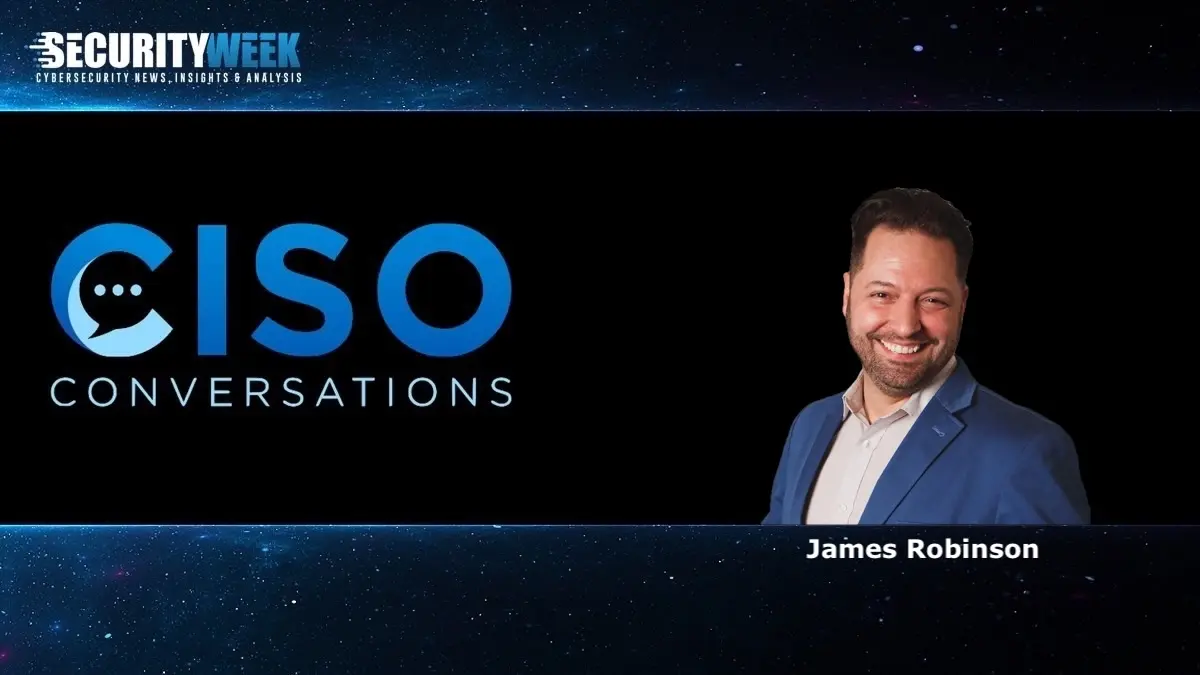
Entering the cybersecurity industry often follows conventional educational paths, yet many current security leaders arrived through entirely different routes. James Robinson, chief information security officer (CISO) at cloud security provider Netskope, began his professional life without a formal STEM background or university degree before building a career spanning major enterprise environments.
Robinson’s path into technology began during the late 1990s through networking vocational training. After working as a network engineer at State Farm Insurance and earning early technical certifications, he transitioned into security roles during a period when corporate digital infrastructure began expanding rapidly.
Over the following two decades, Robinson held security architecture and leadership positions across multiple organisations, including Anheuser-Busch, Emerson Electric, Websense, and Optiv. He joined Netskope as deputy CISO in 2018, spending five years in the role before stepping up to lead the security organisation in 2024.
Focus on Team Culture and Leadership
Reflecting on operational priorities, Robinson notes that daily security incidents and technical challenges represent standard operational demands. Instead of external threats or emerging technologies such as artificial intelligence dominating his primary concerns, team culture and performance remain his central focus.
“Security incidents come and go. They’re like waves,” Robinson said. “What I think about late at night is whether or how I can get better performance from myself and the team, and whether we’re making real progress on our projects.”
When evaluating candidates for security roles, Robinson prioritises persistence, dedication, and genuine curiosity over conventional credentials. He notes that non-traditional candidates who demonstrate willingness to relocate and take initiative often succeed in building long-term operational resilience within enterprise security teams.
The Evolution of Enterprise Security
As organisations navigate complex regulatory demands, cloud migration, and rapidly shifting attack surfaces, Robinson stresses the importance of understanding underlying business operations. For security practitioners moving into leadership positions, maintaining close alignment with broader corporate goals remains essential for effective risk management.
While artificial intelligence continues to reshape vulnerability discovery and threat actor tactics, Robinson views the technology as an area of ongoing professional education rather than an immediate existential threat to security teams. Human collaboration, structured mentorship, and sustainable team environments remain foundational to long-term enterprise protection.