



How to Create a Robust Consent Process for CCTV Data Compliance

Share
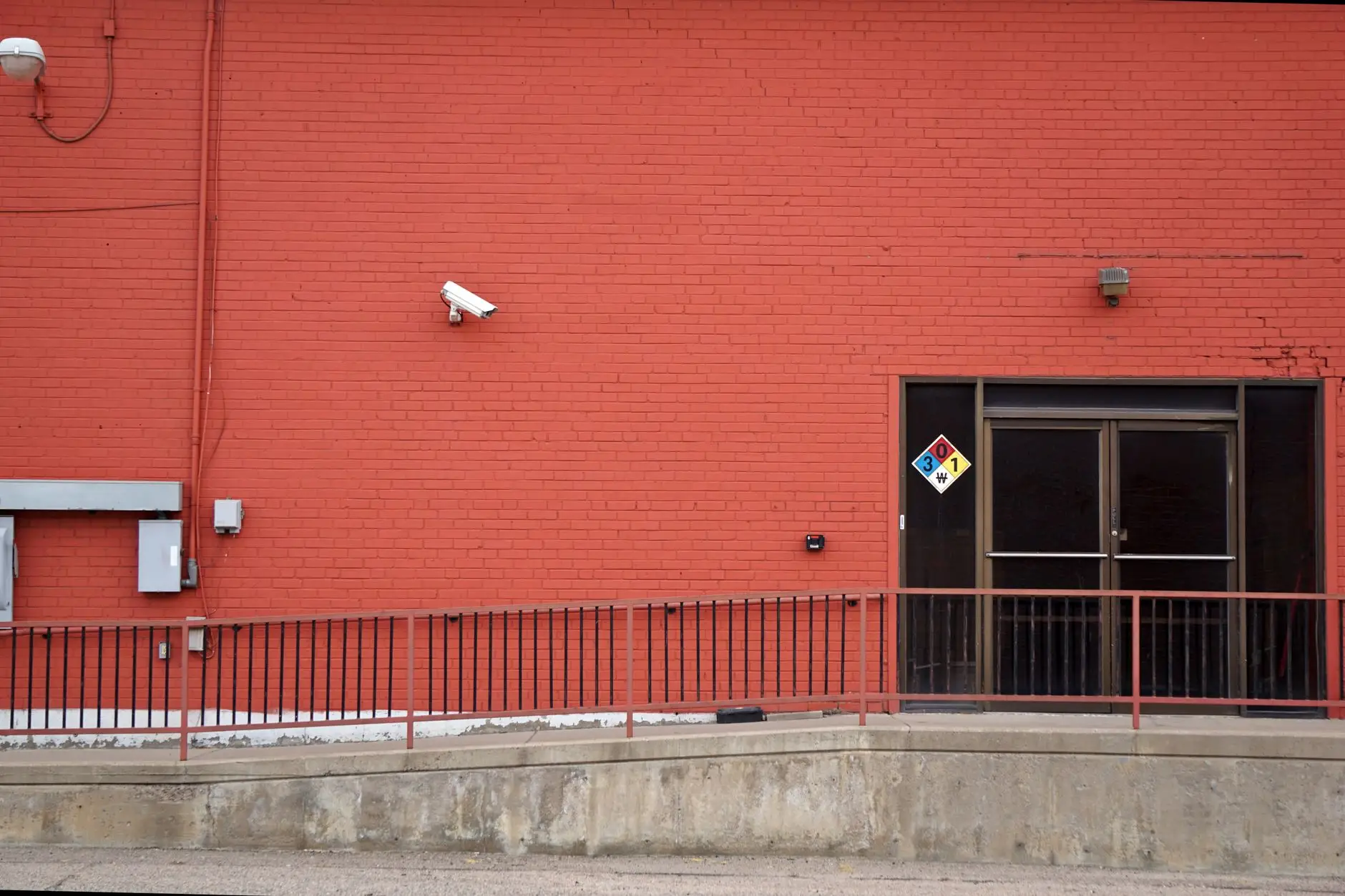
Organizations across industries increasingly rely on Closed-Circuit Television (CCTV) systems for security, operational oversight, and even advanced analytics. Yet, this widespread use of surveillance technology invariably raises significant privacy concerns. Capturing images and, in some cases, audio of individuals constitutes the processing of personal data, triggering stringent data protection obligations globally.
Many assume consent is always the primary legal basis for CCTV data collection. However, this isn’t always the case, particularly under frameworks like the GDPR where ‘legitimate interest’ is frequently cited. Nevertheless, creating a robust ‘consent process’ for CCTV isn’t just about obtaining explicit agreement; it’s about establishing transparent, legally sound, and trust-building mechanisms around all aspects of surveillance data. This guide will help you understand when and how to implement such a process, ensuring compliance and fostering digital trust.
Understanding the Legal Landscape for CCTV Data
Before designing any process to create consent for CCTV, it’s critical to understand the legal foundations. Global privacy regulations, such as the General Data Protection Regulation (GDPR) in Europe, the California Consumer Privacy Act (CCPA/CPRA) in the US, and various national data protection laws (e.g., NDPA in Nigeria, LGPD in Brazil), share common principles regarding personal data processing:
- Lawfulness, Fairness, and Transparency: Data must be processed lawfully, fairly, and transparently. Individuals must know their data is being collected and why.
- Purpose Limitation: Data must be collected for specified, explicit, and legitimate purposes.
- Data Minimization: Only data that is adequate, relevant, and limited to what is necessary for the purposes should be collected.
- Accuracy: Data should be accurate and kept up to date.
- Storage Limitation: Data should not be kept longer than necessary.
- Integrity and Confidentiality: Data must be processed in a manner that ensures appropriate security.
- Accountability: The data controller is responsible for demonstrating compliance.
For CCTV data, the choice of legal basis is paramount. While ‘legitimate interest’ (e.g., crime prevention, property protection) is common, consent becomes essential when:
- The processing involves ‘special categories’ of personal data (e.g., biometric data for identification).
- The surveillance goes beyond security and enters into areas like extensive employee monitoring without a clear contractual or legal obligation.
- There’s no other clear legal basis, and the data subject’s rights and freedoms outweigh the legitimate interest.
Key Components of a Robust CCTV Consent & Transparency Process
Whether you rely on consent or legitimate interest, a well-defined process ensures compliance and builds trust. The Information Commissioner’s Office (ICO) in the UK, a leading data protection authority, frequently emphasizes the need for transparency. As former UK Information Commissioner Elizabeth Denham stated, "Organisations using CCTV must ensure that individuals are aware they are being monitored and understand the purpose of that monitoring, as well as their rights regarding their personal data. This is fundamental to building trust." This sentiment underscores that even without explicit consent, a ‘consent process’ is effectively a ‘transparency and rights fulfillment process’.
1. Conduct a Data Protection Impact Assessment (DPIA)
A DPIA is often mandatory for CCTV systems due to the systematic monitoring of publicly accessible areas on a large scale. It helps identify and mitigate privacy risks before deployment. This assessment should detail:
- The necessity and proportionality of the CCTV system.
- The specific purposes of data collection.
- Potential impacts on individuals’ rights and freedoms.
- Proposed measures to address these risks.
2. Define Clear and Specific Purposes
Be explicit about why you are collecting CCTV data. Vague justifications like "for security" are often insufficient. Specify: "for preventing theft and vandalism," "for ensuring employee safety," or "for monitoring access to restricted areas." Each camera should have a defined purpose, and footage should only be used for those purposes.
3. Determine the Appropriate Legal Basis
Carefully assess the most suitable legal basis for each CCTV application:
- Legitimate Interest: Often applicable for general security and crime prevention, provided a balancing test shows your interests are not overridden by individuals’ privacy rights. This requires clear justification and strong safeguards.
- Consent: Necessary for more intrusive uses or processing of special categories of data. Consent must be freely given, specific, informed, and unambiguous. Silence or inactivity does not constitute consent.
- Legal Obligation: If specific laws mandate CCTV (e.g., for certain high-security facilities).
4. Implement Tiered Notices and Signage
Transparency is key. A multi-layered approach to informing individuals is best:
- Layer 1 (Conspicuous Signage): Clearly visible signs at the entrance and within the surveillance area indicating the presence of CCTV, the data controller’s identity, and the main purpose. Include a symbol where appropriate.
- Layer 2 (Detailed Privacy Notice): A comprehensive notice, accessible via a QR code on signage, a website link, or at a reception desk. This notice should cover all required information as per data protection laws.
Essential Information for a CCTV Privacy Notice:
| Category | Details to Include |
|---|---|
| Identity of Controller | Your organization’s name and contact details. |
| DPO Contact | Contact details of the Data Protection Officer (if applicable). |
| Purpose of Processing | Specific, legitimate reasons for using CCTV (e.g., crime prevention). |
| Legal Basis | The lawful basis relied upon (e.g., legitimate interest, consent). |
| Data Categories | Types of data collected (e.g., video footage, time stamps, audio). |
| Recipients of Data | Who the data might be shared with (e.g., law enforcement, third-party security). |
| Data Retention Period | How long footage is stored and criteria for determination. |
| Data Subject Rights | How individuals can exercise their rights (access, erasure, objection, etc.). |
| Right to Lodge Complaint | Information on how to complain to a supervisory authority. |
5. Develop Clear Consent Mechanisms (When Required)
If consent is your legal basis, it must be unambiguous. This often means an opt-in mechanism:
- Explicit Opt-in: For highly sensitive or intrusive uses, a clear affirmative action is needed (e.g., signing a consent form for specific biometric access, clicking an ‘I agree’ button for advanced facial recognition features in a private space).
- Granular Options: Allow individuals to consent to specific processing activities if there are multiple purposes.
6. Ensure Easy Withdrawal of Consent
Individuals must be able to withdraw consent as easily as they gave it. This could involve an online portal, a physical request form, or clear instructions for contacting the DPO. Upon withdrawal, you must cease processing data based on that consent, though data processed prior to withdrawal remains lawful.
7. Establish Robust Data Retention and Security Protocols
CCTV footage is sensitive. Implement:
- Strict Retention Policies: Store footage only as long as necessary for its stated purpose. Most general security footage is retained for 7-30 days, then securely overwritten or deleted.
- Security Measures: Encrypt footage, restrict access to authorized personnel, use strong passwords, and ensure physical security of recording devices.
8. Train Staff and Maintain Records
Personnel involved in operating CCTV or handling footage must be thoroughly trained on data protection policies, procedures, and data subject rights. Maintain detailed records of your CCTV systems, DPIAs, legal basis justifications, and training programs to demonstrate compliance.
Real-Life Scenario: Retail Store with Advanced Analytics
Consider ‘The Smart Shop’, a retail business that initially installed CCTV purely for security (theft prevention). Their legal basis was ‘legitimate interest’, supported by visible signage and a comprehensive privacy notice explaining data retention (14 days) and sharing with law enforcement when necessary. This process was compliant.
However, Smart Shop decided to upgrade its system to include facial recognition technology to identify returning VIP customers, offer personalized in-store discounts, and track customer pathways for marketing analytics. This new use case involves processing biometric data (a special category) and goes beyond mere security. For this advanced functionality, legitimate interest is no longer sufficient. Smart Shop would need:
- A new DPIA specifically for the facial recognition component.
- Explicit, opt-in consent from customers to participate in the VIP recognition program and for their movement data to be used for analytics. This consent would need to be freely given, specific (explaining *exactly* what data is used for), informed, and easy to withdraw.
- Updated, highly prominent signage alerting customers to the new technology and linking directly to the consent mechanism.
Without obtaining this explicit consent, Smart Shop would be in clear violation of data protection laws, risking significant fines and reputational damage.
Frequently Asked Questions About CCTV Consent
Is consent always required for CCTV?
No. For general security and crime prevention, organizations often rely on ‘legitimate interest’ as their legal basis, provided they conduct a balancing test and implement robust transparency and safeguards. Consent becomes critical for more intrusive uses, processing special categories of data (like biometrics), or when there’s no other clear legal basis.
How long can we keep CCTV footage?
Footage should only be retained for as long as necessary for the stated purpose. For general security, this is typically between 7 and 30 days. Longer retention periods require strong justification, for instance, if an incident occurred and footage is being used for investigation.
What are the risks of non-compliance?
Failing to establish a compliant consent/transparency process for CCTV data can lead to significant regulatory fines (e.g., under GDPR, up to €20 million or 4% of global annual turnover), reputational damage, loss of customer trust, and legal action from affected individuals.
Conclusion
Creating a compliant consent process for CCTV data is more than a legal obligation; it’s a fundamental aspect of building digital trust and demonstrating accountability. By conducting thorough DPIAs, clearly defining purposes, choosing the correct legal basis, implementing tiered transparency notices, and providing robust mechanisms for consent (when needed) and data subject rights, organizations can navigate the complexities of surveillance law. A proactive and ethical approach ensures not only compliance but also fosters a safer, more transparent environment for everyone.

















Leave a Reply