


Think your ride-share link expires when you reach your destination? You might be wrong. Learn how shared ride status links privacy risk impacts your digital safety and how to stay secure.

Can AI-powered earphones be both highly productive and privacy-conscious? We dive into the security architecture and practical performance of the viaim RecDot recording earphones.

New legislation proposing an AI kill switch aims to address catastrophic risks, but security experts warn that reactive measures cannot substitute for robust containment and secure infrastructure.

Deploying Model Context Protocol servers requires a careful balance of accessibility and protection. Discover how to select the right remote hosting environment for your AI-driven tools.
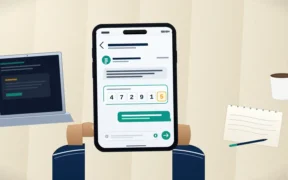
SMS account recovery is a standard feature, yet it poses a major security vulnerability. Learn why your phone number is not a reliable method for securing your digital accounts.












