



Everyone Uses SMS Account Recovery. Few People Check This

Share
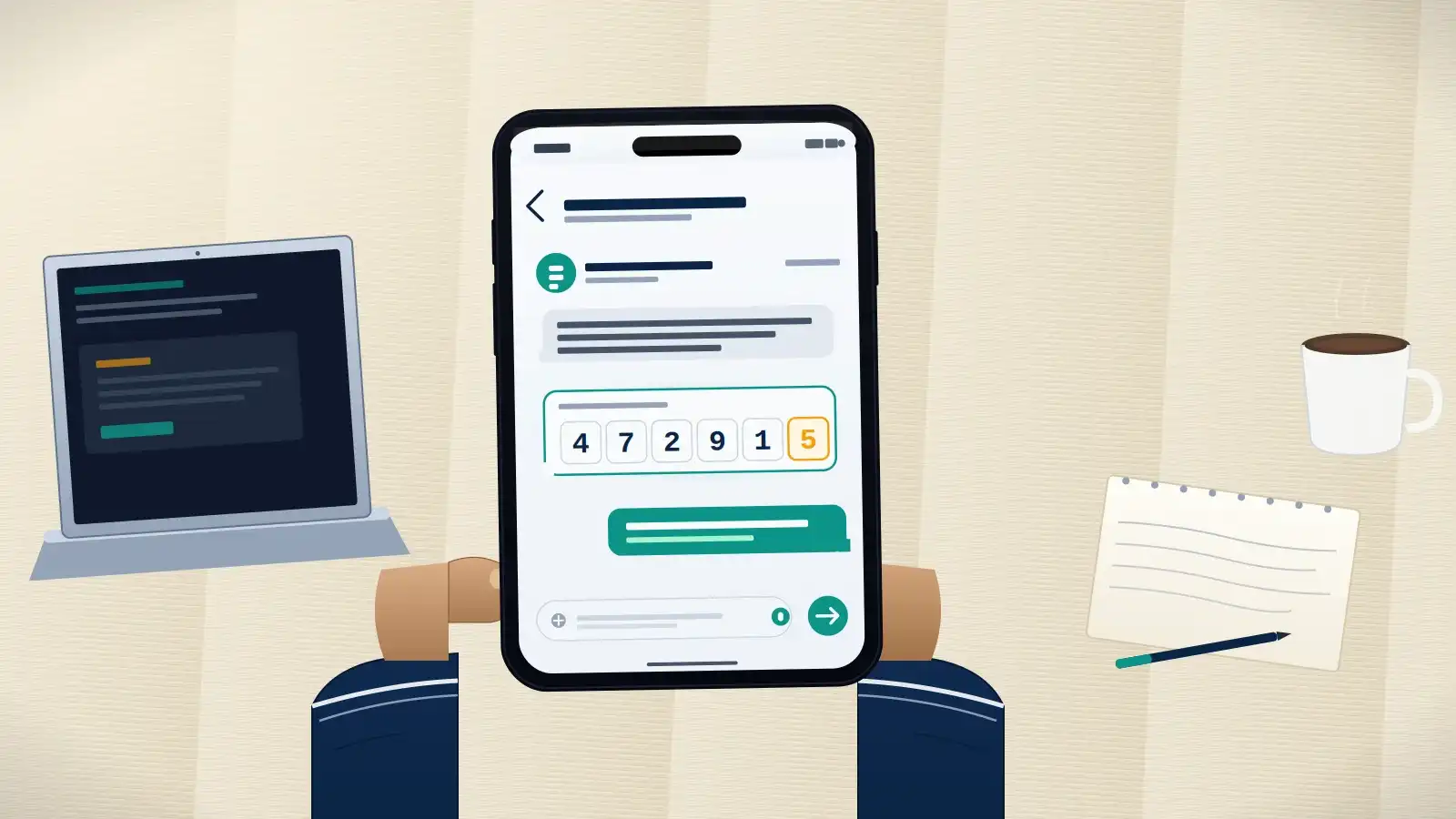
The Illusion of SMS Security
When you sign up for a new service, the prompt is almost always the same: ‘Enter your phone number to recover your account.’ It is the path of least resistance. For the average user, it feels like a modern convenience. However, from a cybersecurity perspective, this reliance on SMS represents a significant sms account recovery privacy risk that most people fail to evaluate until a breach has already occurred.
Behind the screen, SMS account recovery is not an identity verification tool; it is a communication protocol designed for speed, not security. When you trigger a password reset, a plaintext verification code is sent via the SS7 signaling system—an outdated framework for global telecommunications that is notoriously vulnerable to interception.
The Vulnerability: Why Phone Numbers Fail
Your phone number is a legacy identifier, not a secure cryptographic key. Unlike a hardware security key or an authenticator app, a phone number is essentially rented from a carrier. This creates two primary attack vectors: SIM swapping and number recycling.
In a SIM swap attack, an adversary tricks your mobile carrier into porting your service to a SIM card they control. Once they hold your number, they receive all your SMS traffic, effectively hijacking your account recovery pipeline. Because your account is linked to the number, the platform assumes the person requesting the reset is you. Once inside, the attacker can change your email, password, and secondary authentication methods, locking you out permanently.
This systemic issue is precisely why the National Institute of Standards and Technology (NIST) has repeatedly moved away from recommending SMS-based authentication for high-security applications, citing its susceptibility to interception and social engineering.
The Hidden Warning Signs
Most users wait for a total account lockout to realize something is wrong. However, the signs of a compromised identity recovery path often show up days or weeks before the final takeover:
- Unsolicited Authentication Prompts: Receiving an SMS code you did not request is a primary warning sign. Do not ignore these; an attacker may be testing your recovery flow.
- Network Drops: If your phone loses signal for an extended period in an area where you normally have coverage, it may indicate your SIM has been deactivated due to a porting attempt.
- Phishing Alerts: Sudden, aggressive phishing attempts targeting your carrier account details are a strong signal that you are being scouted for a SIM swap.
Comparing Account Recovery Methods
| Method | Security Level | Risk Factor |
|---|---|---|
| SMS Recovery | Low | SIM Swapping, SS7 Interception |
| Authenticator App | Medium | Device Theft |
| Hardware Security Key | High | Loss of Physical Key |
| Email Recovery | Medium | Email Compromise |
Real-Life Scenario: The Invisible Takeover
Consider the case of a mid-level executive who relied on SMS recovery for their primary cloud storage account. An attacker identified the target via social media, gathered their phone number, and engaged in a targeted social engineering campaign against a customer service representative at the target’s mobile carrier. Within forty minutes, the attacker successfully performed a SIM swap. Because the account recovery was tied to SMS, the attacker bypassed the password entirely. By the time the victim noticed their phone had ‘no service,’ their cloud storage—containing sensitive company data—had been exfiltrated.
This case highlights the intersection of tech-security practices and the broader need for robust identity management. When we allow platforms to use phone numbers as a single point of failure, we negate the benefits of strong, unique passwords.
The Compliance Perspective
For organizations, the SMS account recovery privacy risk is a matter of compliance and data governance. Privacy professionals and compliance teams must recognize that using SMS for recovery may fail the ‘security of processing’ requirements under various global data-protection frameworks. If a platform relies on insecure SMS-based recovery, it may be held liable for failing to implement ‘appropriate technical and organizational measures’ to protect user data.
FAQ: Securing Your Digital Recovery Path
Is SMS better than no recovery method at all?
While no recovery is dangerous, SMS is statistically one of the least secure options. Opting for email-based recovery with its own multi-factor authentication is generally a better alternative.
What should I do if I receive a random code?
Change your account passwords immediately and check for suspicious activity on your accounts. If the code came from your carrier, contact them to lock your SIM account with a PIN.
How do I stop using SMS for recovery?
Go into the security settings of your sensitive accounts and remove your phone number as a recovery method. Replace it with an authenticator app or a hardware security key wherever possible.
Conclusion
The ubiquity of SMS account recovery has created a false sense of security that hackers exploit daily. By understanding that your phone number is a public, portable, and easily compromised asset, you can better protect your digital life. To mitigate the sms account recovery privacy risk, shift your recovery strategy toward hardware tokens and time-based one-time password apps. Your phone is a tool for communication, not a vault for your digital identity.













Leave a Reply