



A Step-by-Step Guide to Managing CCTV Data Responsibly

Share
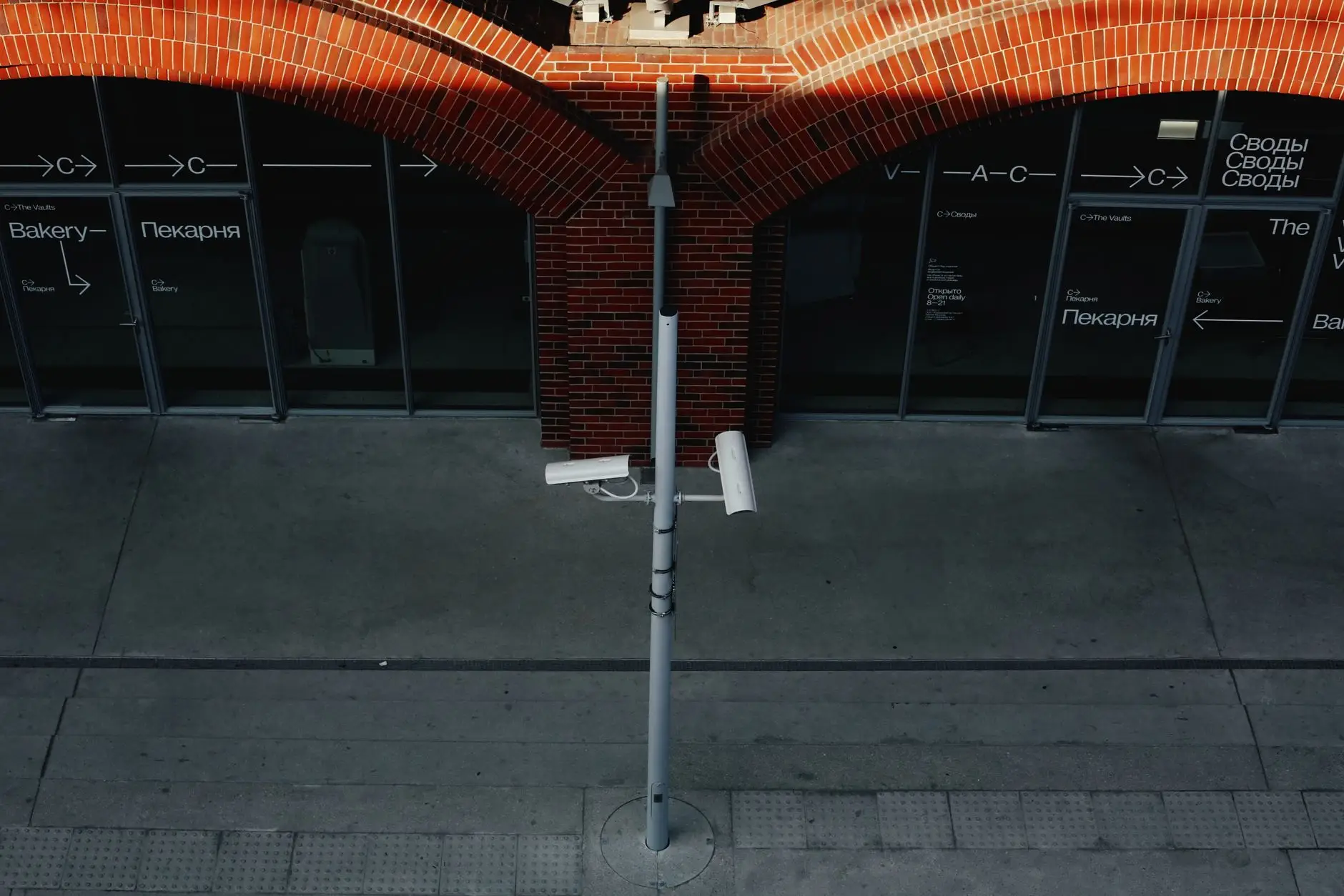
Closed-circuit television (CCTV) systems are ubiquitous in our modern world, serving critical functions from preventing crime and ensuring safety to monitoring operational efficiency. However, the widespread deployment of CCTV also presents significant challenges regarding data protection, individual privacy, and ethical governance. Mismanaging CCTV data can lead to hefty fines, reputational damage, and a profound erosion of public trust.
For business leaders, privacy professionals, compliance teams, and even informed everyday citizens, understanding how to manage CCTV data responsibly is no longer optional—it’s imperative. This comprehensive, step-by-step guide outlines the essential practices and considerations for ensuring your organisation’s CCTV operations are not only effective but also compliant with global data protection standards.
The Imperative for Responsible CCTV Data Management
Every time a person is captured on CCTV, their personal data is being collected and processed. This brings CCTV operations squarely under the purview of data protection laws like the GDPR, CCPA, and numerous national privacy acts. These laws mandate strict requirements for lawful processing, data security, transparency, and data subject rights. Ignoring these requirements can result in significant legal and financial consequences.
For example, data protection authorities worldwide, such as the UK’s Information Commissioner’s Office (ICO), routinely issue guidance and take enforcement action against organisations that fail to adequately protect CCTV footage or process it without a lawful basis. As the ICO rightly states, “When individuals are filmed, their personal data is being processed, and data protection law applies. It’s essential that organisations balance their legitimate interests in using CCTV with the privacy rights of those they are filming.” This highlights the critical balance that organisations must strike.
Step 1: Define and Document Your Legitimate Purpose
Before installing or operating any CCTV system, you must clearly define and document the specific, legitimate purpose(s) for its use. This is the bedrock of lawful processing. Common legitimate purposes include crime prevention, public safety, staff safety, and property protection. Vague or overly broad purposes are generally not acceptable.
-
Necessity and Proportionality: Ask yourself: Is CCTV truly necessary to achieve this purpose? Are there less intrusive alternatives? The system should be proportionate to the identified risk. For instance, blanket surveillance of an entire office may be disproportionate if the goal is only to secure entry points.
-
Lawful Basis: Identify the appropriate lawful basis for processing under applicable data protection laws (e.g., legitimate interest, legal obligation). If relying on legitimate interest, conduct a thorough Legitimate Interests Assessment (LIA) to balance your interests against the individual’s rights and freedoms.
-
Data Protection Impact Assessment (DPIA): For high-risk processing activities, such as extensive public area monitoring or the use of advanced analytics (like facial recognition), a DPIA is mandatory. This assessment helps identify and mitigate privacy risks proactively.
Step 2: Implement Robust Data Minimization and Retention Policies
Data minimisation dictates that you should only collect and retain the minimum amount of personal data necessary for your stated purpose. This is particularly crucial for CCTV data, which can be highly intrusive.
-
Limiting Collection: Position cameras to capture only relevant areas, avoiding private spaces (e.g., neighbouring properties, changing rooms) unless absolutely justified and clearly communicated.
-
Retention Periods: Establish clear, justifiable retention periods for footage. Most security-related CCTV footage is kept for a short period (e.g., 7 to 30 days), after which it should be securely deleted or overwritten. Longer retention periods must be strictly justified (e.g., ongoing investigation, legal requirement) and documented.
Example CCTV Data Retention Schedule
| Purpose of Recording | Typical Retention Period | Justification |
|---|---|---|
| General Security & Crime Prevention | 7 – 30 days | Sufficient time to detect incidents, investigate, and report to authorities. |
| Specific Incident Investigation | Until resolution of incident/case | Required as evidence for internal investigations, police, or legal proceedings. |
| Health & Safety Monitoring | Up to 90 days | To investigate accidents, near misses, or comply with specific regulatory requirements. |
Step 3: Ensure Security and Access Control of CCTV Data
CCTV footage often contains sensitive information. Protecting it from unauthorised access, alteration, or disclosure is paramount. This involves both technical and organisational measures.
-
Access Controls: Restrict access to CCTV monitors and stored footage to a limited number of authorised personnel, based on their job role and necessity. Implement strong authentication (e.g., multi-factor authentication) and regularly review access logs.
-
Technical Security: Ensure CCTV systems are password-protected, kept up-to-date with security patches, and encrypted (both in transit and at rest) where feasible. Protect network connections used for streaming or storing footage.
-
Physical Security: Secure recording devices (DVRs/NVRs) in locked, access-controlled environments to prevent tampering or theft.
-
Data Processors: If you use third-party providers for CCTV monitoring, storage, or maintenance, ensure robust data processing agreements (DPAs) are in place, obligating them to uphold the same security and privacy standards.
Step 4: Uphold Data Subject Rights and Transparency
Individuals have rights concerning their personal data, including CCTV footage. Organisations must have procedures in place to handle these requests promptly and lawfully.
-
Transparency & Privacy Notices: Inform individuals that CCTV is in operation through clear, prominent signage at the entry points of monitored areas. This signage should include your organisation’s identity, the purpose of the CCTV, and a contact point for privacy inquiries. Supplement this with a detailed privacy policy explaining data retention, access rights, and contact details for your DPO or privacy team. This falls under the general data protection principle of data protection transparency.
-
Subject Access Requests (SARs): Be prepared to handle requests from individuals for copies of footage in which they appear. This often requires redacting or blurring out other identifiable individuals to protect their privacy, which can be a complex and resource-intensive task.
-
Right to Erasure/Objection: While individuals generally have a right to erasure, it may not apply to CCTV footage if there’s an overriding legitimate interest (e.g., crime prevention) or legal obligation to retain it. Be prepared to explain your legal basis for refusal if applicable.
Step 5: Regular Review, Auditing, and Training
Responsible CCTV data management is an ongoing process, not a one-time setup. Regular oversight is crucial for sustained compliance.
-
Periodic Audits: Conduct regular audits of your CCTV systems, policies, and procedures to ensure they remain compliant with current laws and reflect actual operational practices. Review camera placement, retention policies, and access logs.
-
Policy Updates: Data protection laws evolve. Stay informed of regulatory changes and update your CCTV policies and privacy notices accordingly.
-
Staff Training: Provide regular training to all personnel who operate or have access to CCTV systems or footage. This training should cover data protection principles, security protocols, and how to handle data subject requests. Understanding compliance best practices is key for every team member.
The AI and Advanced Analytics Dimension
The integration of artificial intelligence (AI) into CCTV systems, enabling features like facial recognition, object detection, and behavioral analysis, introduces additional layers of complexity and risk. These advanced capabilities often involve automated decision-making and heightened privacy concerns, typically requiring more stringent legal bases and comprehensive DPIAs. Organisations exploring AI-powered CCTV must also consider emerging AI governance frameworks and ethical guidelines.
Conclusion: Building Trust Through Responsible Surveillance
Managing CCTV data responsibly is more than just a legal obligation; it’s a fundamental commitment to privacy and a cornerstone for building and maintaining trust with employees, customers, and the public. By meticulously following these step-by-step guidelines—from defining clear purposes and implementing robust security to respecting data subject rights and regularly auditing your practices—organisations can leverage the benefits of CCTV while safeguarding individual privacy and ensuring compliance in an increasingly scrutinised digital landscape. Proactive and ethical data stewardship is the only path forward.













Leave a Reply